


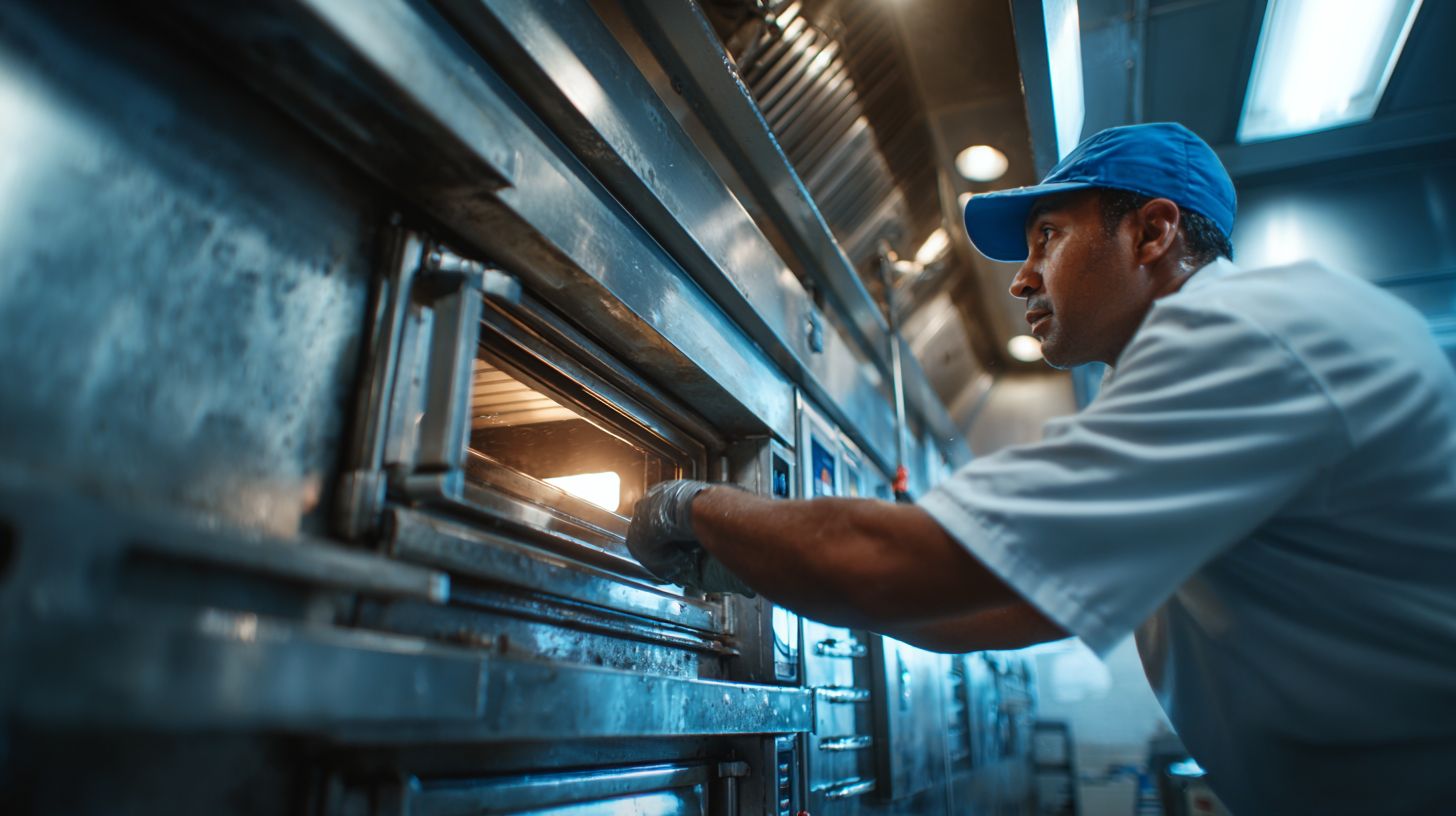


In commercial interiors, walls are constantly tested. Chairs bump against them. Cleaning crews disinfect them daily. Guests lean back. Carts scrape corners. Over time, drywall alone simply doesn’t hold up.
That’s where commercial wainscoting becomes both a design solution and a protective system.
Originally used in historic buildings for insulation and decorative detail, modern commercial wainscoting has evolved into an impact-resistant wall system engineered for high-traffic environments.
From hospitals and office corridors to hotels, retail spaces, and restaurants, the right wall panel system can:
This guide breaks down everything you need to know about specifying and installing wainscoting in commercial environments.
Commercial wainscoting refers to durable wall panel systems installed on the lower portion of interior walls in commercial buildings — typically between 36 and 48 inches high, though heights vary by application.
Unlike decorative residential trim, commercial-grade systems are designed for:
It acts as a protective barrier where walls experience the most wear.
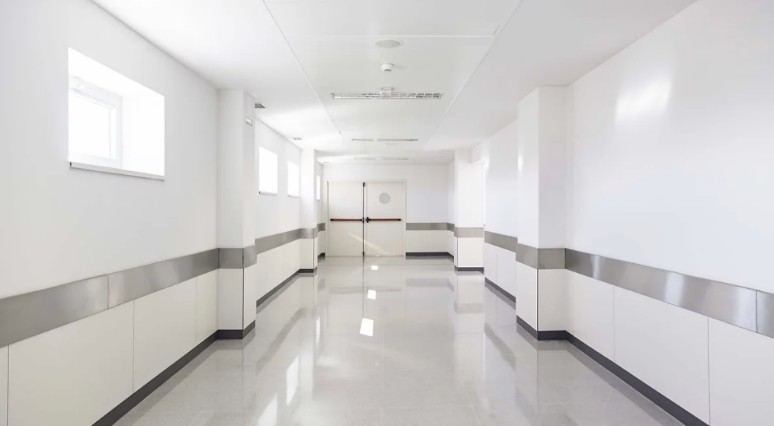
Different environments require different materials. Below are the most common commercial-grade options.
PVC and hygienic vinyl wall panels are commonly used in environments requiring strict sanitation protocols.
Key Features
Ideal Applications
These systems protect drywall from impact and moisture while allowing frequent cleaning without surface degradation.
High-pressure laminate combines durability with aesthetic flexibility.
Key Features
Ideal Applications
HPL is a common middle-ground solution when appearance and durability must work together.
Solid surface panels offer seamless installation and premium aesthetics.
Key Features
Ideal Applications
These systems often carry a higher upfront cost but offer long lifecycle performance.
Traditional wood or MDF paneling remains popular in professional and hospitality environments.
Key Features
Ideal Applications
These systems focus more on visual impact while still providing moderate wall protection.
Wainscotting doesn’t mean a space can’t evolve or improve. With early attention through programs like Commercial Facility Maintenance Services in Katy, TX, properties develop essential upgrades that support durability and appeal. The sooner owners recognize areas that need enhancement, the sooner they can access services that make a real difference.
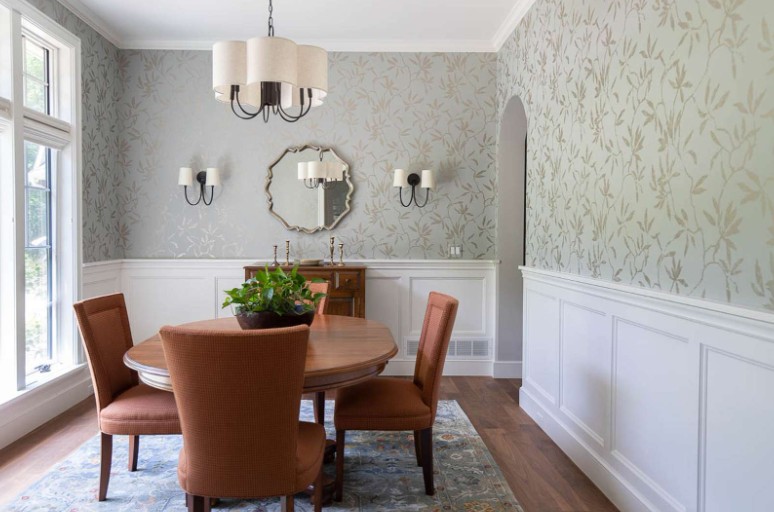
Restaurants are one of the most demanding commercial environments for wall finishes. Unlike offices or corridors, restaurants must balance durability, brand identity, customer comfort, and health code requirements.
Walls in restaurants experience:
Properly specified wainscoting helps solve all of these challenges.
Understanding these design differences helps property owners create more functional and visually appealing spaces. If you notice these patterns, reaching out to professionals offering Commercial Facility Maintenance Services in Spring, TX can provide guidance on the next steps.
Dining chairs frequently hit walls. Over time, this causes:
Wainscoting absorbs impact and prevents costly recurring repairs.
Health regulations require frequent surface cleaning.
In casual dining and fast-casual environments, PVC or laminate systems allow:
In fine dining, sealed wood panel systems can also perform well when properly finished.
Restaurants rely heavily on environment to shape guest perception.
Wall paneling often becomes part of the restaurant’s visual identity.
For more information about installation and upkeep considerations, read about The Importance of Commercial Facility Maintenance Services for Your Business and how it supports long-term durability and appearance in wainscotting projects.
Best options:
These environments prioritize durability and cleanability over ornate design.
Best options:
These balance style and moderate durability.
Best options:
Here, ambiance is as important as protection.
Height varies based on layout and chair back height.
Common ranges:
In banquette seating areas, paneling often aligns with seat-back height for symmetry.

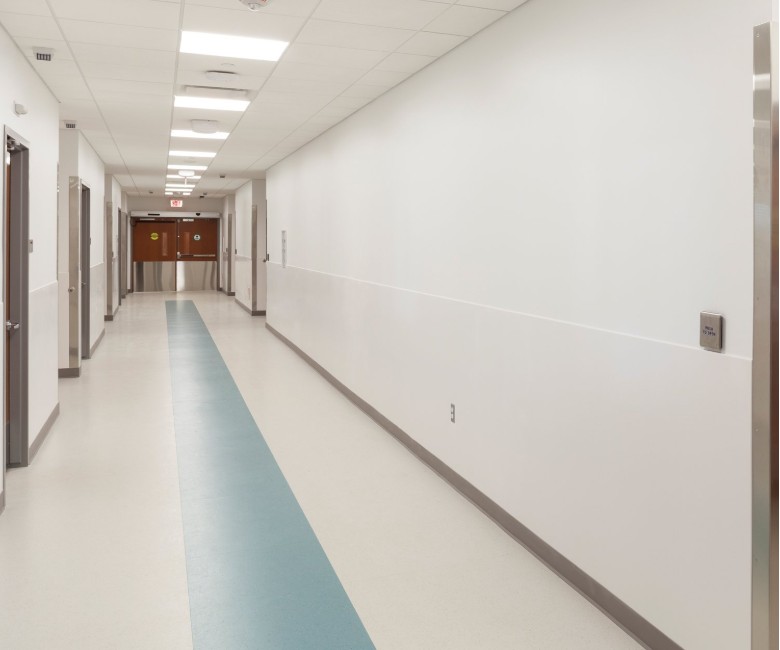
Healthcare environments prioritize infection control and impact resistance.
Recommended systems:
Full-height protection may be required in certain areas.
Services like Commercial Facility Maintenance Services in Baytown, TX provide structured support that addresses upkeep concerns, aesthetic improvements, and long-term property performance. Experienced professionals work with business owners to create customized maintenance plans that fit each facility’s unique needs.
Offices typically install wainscoting for aesthetics and moderate durability.
Common placements:
Laminate and wood millwork systems are most common here.
Hotels use wainscoting in:
These spaces require a balance of durability and upscale appearance.
Retail spaces face heavy traffic and rolling displays.
Wainscoting helps:
Laminate systems are commonly specified.
Commercial installations must meet local code requirements.
Key considerations include:
Always confirm that materials meet local building codes before installation.
Professional installation is typically recommended for commercial projects.
Important factors include:
Improper installation can compromise durability and warranty coverage.
Commercial wainscoting systems are designed for long-term durability, but maintenance varies by material.
PVC & Laminate:
Wood & MDF:
Solid Surface:
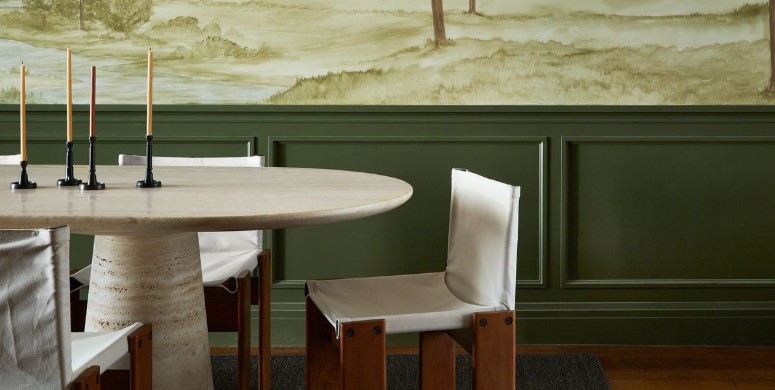
Commercial wainscoting pricing varies widely based on:
While upfront cost may be higher than paint alone, lifecycle savings often justify the investment.
Reduced drywall repairs and repainting cycles significantly lower long-term facility maintenance budgets.
Commercial wainscoting is more than decorative trim — it’s a protective wall system designed to perform in demanding environments.
For offices, it reinforces professionalism.
For healthcare facilities, it supports hygiene and durability.
For retail stores, it protects high-traffic walls.
For restaurants, it safeguards surfaces while shaping atmosphere.
When properly specified, installed, and maintained, commercial wainscoting provides long-term performance, aesthetic enhancement, and measurable cost savings.
If you’re planning a renovation, tenant build-out, or new construction project, evaluating wall protection systems early in the design phase will help you align durability, branding, and compliance from the start.