


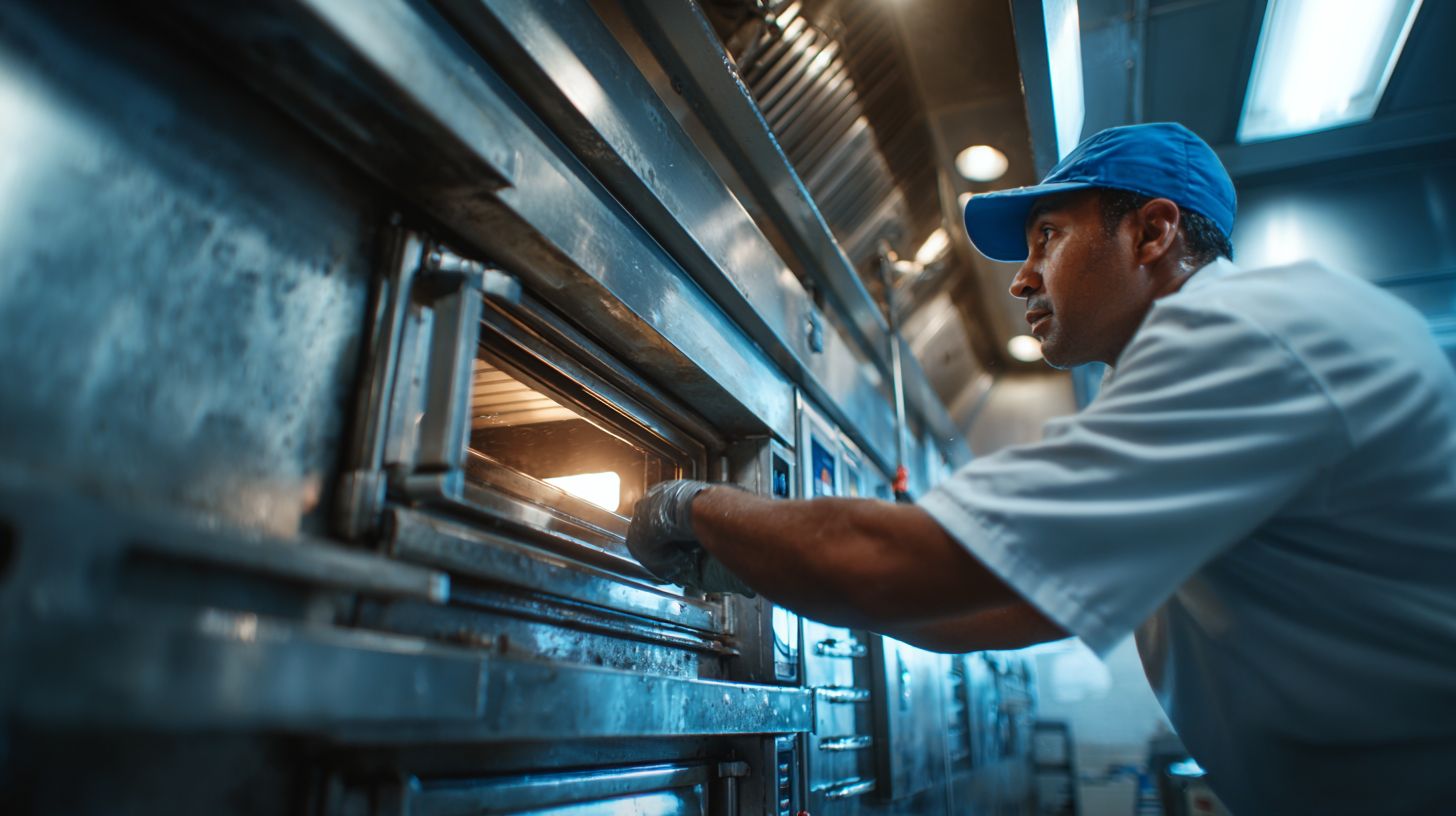


Running a commercial kitchen in Houston is a different kind of challenge. It’s fast, intense, and nonstop. Between managing staff, keeping up with orders, and maintaining food quality, it’s easy for certain maintenance tasks to fall behind. One of the most overlooked—but most critical—is hood cleaning.
If you’re searching for the best hood cleaning in Houston TX, you’re probably not just looking for a service. You’re looking for something reliable, something that actually works in real kitchen conditions—not just on paper.
This guide is built around real-world experience. No fluff, no generic advice—just practical insights that restaurant owners and kitchen managers can actually use.
Let’s be clear—hood cleaning is not just wiping down stainless steel surfaces at the end of a shift. That’s basic cleaning. Real hood cleaning goes much deeper.
A proper hood cleaning involves removing grease from the entire exhaust system:
Every time you cook—especially frying, grilling, or using high heat—grease particles rise into the air. These particles don’t disappear. They travel into your hood system, stick to surfaces, and slowly build up.
At first, it’s a thin layer. Then it thickens. Eventually, it turns into a highly flammable coating inside your system.
That’s why hood cleaning isn’t optional—it’s essential.
A lot of kitchens think they’re covered because they clean regularly. But there’s a difference between visible cleaning and functional cleaning.
You can wipe the hood every night and still have:
This is where many restaurants get into trouble. Everything looks clean—until there’s an inspection or, worse, a fire hazard.
What actually works is a combination of:

Houston isn’t just another city when it comes to commercial kitchens. The environment plays a big role in how quickly grease accumulates.
Humidity affects how grease behaves. It can cause grease particles to settle and stick more easily inside ducts and fans.
Houston has a strong food culture. From barbecue to fried foods, many kitchens produce high volumes of grease daily.
Many restaurants operate extended hours—or even 24/7—which means the exhaust system rarely gets a break.
All of this leads to one thing: faster buildup.
That’s why finding the best hood cleaning provider in houston tx is more important here than in many other places.
Some risks are obvious. Others build slowly until they become serious problems.
Grease is extremely flammable. When it accumulates in ducts and fans, it creates a perfect fuel source.
A small flare-up on the stove can travel into the exhaust system and ignite hidden grease deposits.
If your system is clogged:
This affects productivity and safety.
When airflow is restricted, your exhaust fan works harder. Over time, this leads to:
Even if you’re already paying for a cleaning service, it doesn’t always mean the job is being done properly.
Here are some signs that something isn’t right:
Warning Sign | What You Notice | What It Means |
Grease returns quickly | Surfaces get sticky within days | Incomplete cleaning |
Smoke lingers | Kitchen stays hazy during service | Poor airflow |
Strong grease smell | Odor doesn’t go away | Dirty ducts |
Fan noise increases | Louder or vibrating fan | System strain |
Dripping grease | Oil falling from hood | Severe buildup |
If these issues keep coming back, your cleaning process—or provider—needs to be reassessed.

Instead of guessing, successful kitchens follow a simple, consistent system.
Don’t rely on generic schedules. Base your cleaning on how your kitchen actually operates.
Kitchen Type | Recommended Frequency | Why It Works |
Heavy frying / high volume | Monthly | Keeps buildup under control |
Full-service restaurant | Every 3 months | Balanced maintenance |
Moderate use | Every 6 months | Prevents long-term buildup |
Low use | Annually | Minimal grease production |
Consistency is more important than anything else.
Cleaning only the hood is not enough. The real danger is inside:
A proper cleaning service should handle everything—not just what’s visible.
Daily maintenance helps—but it doesn’t replace deep cleaning.
What works best is:
Not all services are created equal. Choosing the right provider makes a huge difference.
Make sure they clean:
They should help you stay on track—not just show up when you call.
Houston kitchens are demanding. You need a provider who understands that.
Not just one good cleaning—but consistent performance every time.
You don’t need complicated systems—just consistent habits.
These small steps reduce buildup and make professional cleanings more effective.

Even experienced operators make these mistakes.
Delaying cleaning leads to heavier buildup, which takes longer and costs more to remove.
Ductwork and fans are where most grease collects.
Cheaper services often skip steps, leading to incomplete cleaning.
Grease doesn’t disappear just because business slows down.
Hood cleaning isn’t just about safety—it’s about business performance.
Efficient airflow reduces strain on your system.
Clean systems last longer and require less maintenance.
A cooler, cleaner kitchen improves productivity.
Avoiding fires and failed inspections protects your business.
If you want something that actually works, focus on these three things:
You don’t need a perfect system—you need a consistent one.
Know what’s happening inside your ducts and fans—not just the hood surface.
Work with professionals who understand your kitchen, your schedule, and your needs.
Finding hood cleaning in Houston TX isn’t about chasing the cheapest option or the fastest service. It’s about choosing a solution that works in real kitchen conditions.
The kitchens that run the smoothest aren’t the ones that react to problems—they’re the ones that prevent them.
When your hood system is clean:
In the end, hood cleaning isn’t just maintenance—it’s part of running a professional, reliable, and successful kitchen.
And in a city like Houston, where kitchens never slow down, that consistency is what makes all the difference.
Q1: How often should a restaurant hood be cleaned in Houston TX?
A1: Most Houston restaurants must follow NFPA 96 guidelines. High-volume kitchens typically require monthly or quarterly cleaning, moderate-use kitchens semi-annually, and low-use kitchens annually.
Q2: Is hood cleaning required by law in Houston?
A2: Yes. Houston fire codes and NFPA 96 standards mandate regular inspection and cleaning of kitchen exhaust systems to prevent fire hazards and ensure compliance.
Q3: What happens if you don’t clean your hood system?
A3: Neglecting hood cleaning can cause grease buildup, increase the risk of kitchen fires, lead to failed health or fire inspections, and may void insurance coverage.
Q4: Can I clean my restaurant hood myself?
A4: While light surface cleaning can be done in-house, full system cleaning—including ducts and exhaust fans—should be performed by certified professionals to meet NFPA 96 compliance.
Q5: How do I choose the best hood cleaning company in Houston TX?
A5: Look for companies that are NFPA 96 certified, have experienced technicians, provide before-and-after documentation, and follow proper grease disposal practices.
Q6: What is NFPA 96 and why is it important for hood cleaning?
A6: NFPA 96 is the National Fire Protection Association standard for ventilation control and fire protection of commercial cooking operations. Following it ensures safety, compliance, and reduces fire risk.
Q7: What signs indicate my kitchen exhaust system needs cleaning?
A7: Visible grease buildup, smoke, unusual odors, or failed inspections are strong indicators that your hood and duct system need professional cleaning.