


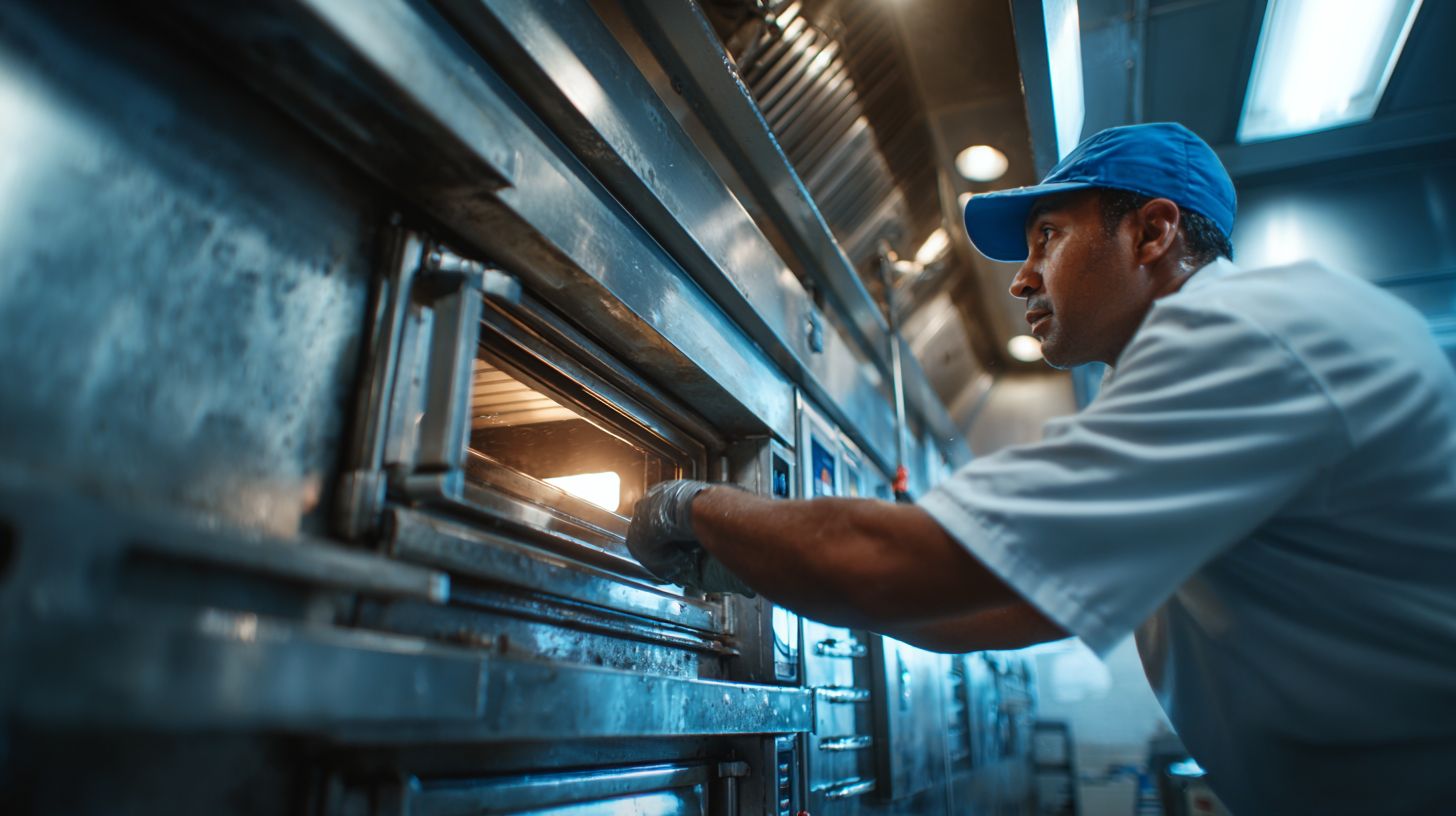


If you run a restaurant in Katy, you already know how quickly things move. One minute it’s prep time, the next you’re in the middle of a rush. Orders don’t stop, equipment keeps running, and your kitchen is constantly producing heat, smoke, and grease.
Somewhere in the middle of all that, your exhaust system is working nonstop in the background. And while it’s easy to forget about it, hood cleaning is one of the most important parts of keeping your kitchen safe and efficient.
If you’re looking for the best hood cleaning in Katy TX, the real question isn’t just “who can clean it?”—it’s what actually works in a real kitchen like yours?
Katy isn’t just another city. It has its own pace, its own restaurant scene, and its own challenges when it comes to maintaining commercial kitchens.
Katy has grown quickly over the years, with more restaurants, more customers, and more demand. Many kitchens are operating at full capacity daily, which means more grease production and faster buildup inside exhaust systems.
Texas heat combined with humidity creates conditions where grease doesn’t dry out—it sticks. This leads to thicker buildup inside ducts and exhaust fans.
From barbecue and Tex-Mex to fried foods and high-heat grilling, many kitchens in Katy produce large amounts of grease vapor every day.
All of these factors make regular hood cleaning essential—not optional.
A common misconception is that hood cleaning is just wiping down the metal canopy above your cooking line.
In reality, that’s just the surface.
A proper hood cleaning includes the entire exhaust system:
Every time you cook, grease particles rise into the air and get pulled into this system. Over time, those particles stick, layer by layer, until they form thick deposits.
Most of this buildup happens where you can’t see it.

From the outside, everything might look fine. But inside your system, things can be very different.
Ductwork is one of the biggest problem areas. It’s out of sight, so it’s often ignored—but it’s where a lot of grease collects.
The fan is responsible for pulling air out of your kitchen. When it’s coated in grease, it becomes less effective and works harder than it should.
As buildup increases, airflow decreases. This affects everything from temperature to smoke removal.
Most kitchens don’t go from clean to dangerous overnight. It happens gradually.
By the time you reach the advanced stage, the system needs immediate attention.
Even without an inspection, your kitchen gives you warning signs.
Sign | What You Notice | What It Indicates |
Smoke doesn’t clear | Air feels thick | Poor ventilation |
Strong grease smell | Lingering odor | Dirty ducts |
Sticky surfaces | Grease spreading | Inefficient system |
Loud exhaust fan | Noise or vibration | System strain |
Grease dripping | Oil falling from hood | Severe buildup |
If you’re seeing these regularly, your current cleaning schedule isn’t enough.

There’s no shortcut. What works is a combination of consistency and thoroughness.
Your schedule should reflect how much your kitchen produces.
Kitchen Type | Cleaning Frequency | Why It Works |
High-volume / heavy frying | Monthly | Controls rapid buildup |
Full-service restaurants | Every 3 months | Balanced maintenance |
Moderate kitchens | Every 6 months | Prevents long-term issues |
Low-use kitchens | Annually | Minimal grease production |
The most dangerous grease isn’t visible. It’s inside:
If those areas aren’t cleaned, the job isn’t complete.
What works best is a layered approach:
This keeps buildup from getting out of control.
Choosing the right provider makes a big difference.
They should clean everything—not just what’s easy to reach.
You shouldn’t have to remember every time. A good service keeps you on track.
Katy restaurants can get busy. You need a provider who understands that.
Not just one good cleaning—but consistent quality over time.
Daily habits don’t replace professional cleaning—but they help.
These small steps reduce buildup and extend the life of your system.

Even well-run kitchens can fall into these traps.
If you wait until grease is visible, the problem is already serious.
Ducts and fans are where most grease collects.
Low-cost services often skip important steps, leading to incomplete cleaning.
Skipping cleanings leads to uneven buildup and higher long-term costs.
This isn’t just about cleanliness—it affects your entire operation.
Clean systems remove smoke and heat more effectively.
Efficient airflow reduces strain on equipment.
A cooler, cleaner kitchen helps your team work better.
Regular cleaning lowers the chances of fire and failed inspections.
After everything is said and done, the kitchens that stay ahead all follow the same approach:
Finding the best commercial facility maintenance in Katy TX isn’t about finding a quick fix. It’s about building a system that works in your real kitchen environment.
The busiest kitchens don’t succeed because they avoid problems—they succeed because they prevent them.
When your hood system is clean:
And in a growing city like Katy, where kitchens are constantly pushing to keep up with demand, that consistency is what keeps everything running right.
A full hood cleaning service covers the entire exhaust system, including the hood canopy, filters, ductwork, and exhaust fan. All grease buildup is removed to improve airflow and reduce fire risk.
Most restaurants in Katy require hood cleaning every 1 to 3 months. High-grease or high-volume kitchens may need more frequent service to stay compliant.
Commercial kitchens must follow fire safety standards like NFPA 96, which require regular inspection and cleaning of kitchen exhaust systems.
Skipping hood cleaning can lead to dangerous grease buildup, increased fire risk, poor ventilation, and potential fines or failed inspections.
Warning signs include smoke lingering in the kitchen, strong grease odors, visible buildup on surfaces, and reduced airflow from the hood system.
Yes, professional hood cleaning helps ensure your kitchen meets fire and health inspection requirements, reducing the risk of violations.
Yes, professionals use specialized equipment to clean the entire exhaust system, including hard-to-reach ductwork areas that in-house cleaning cannot fully address.