


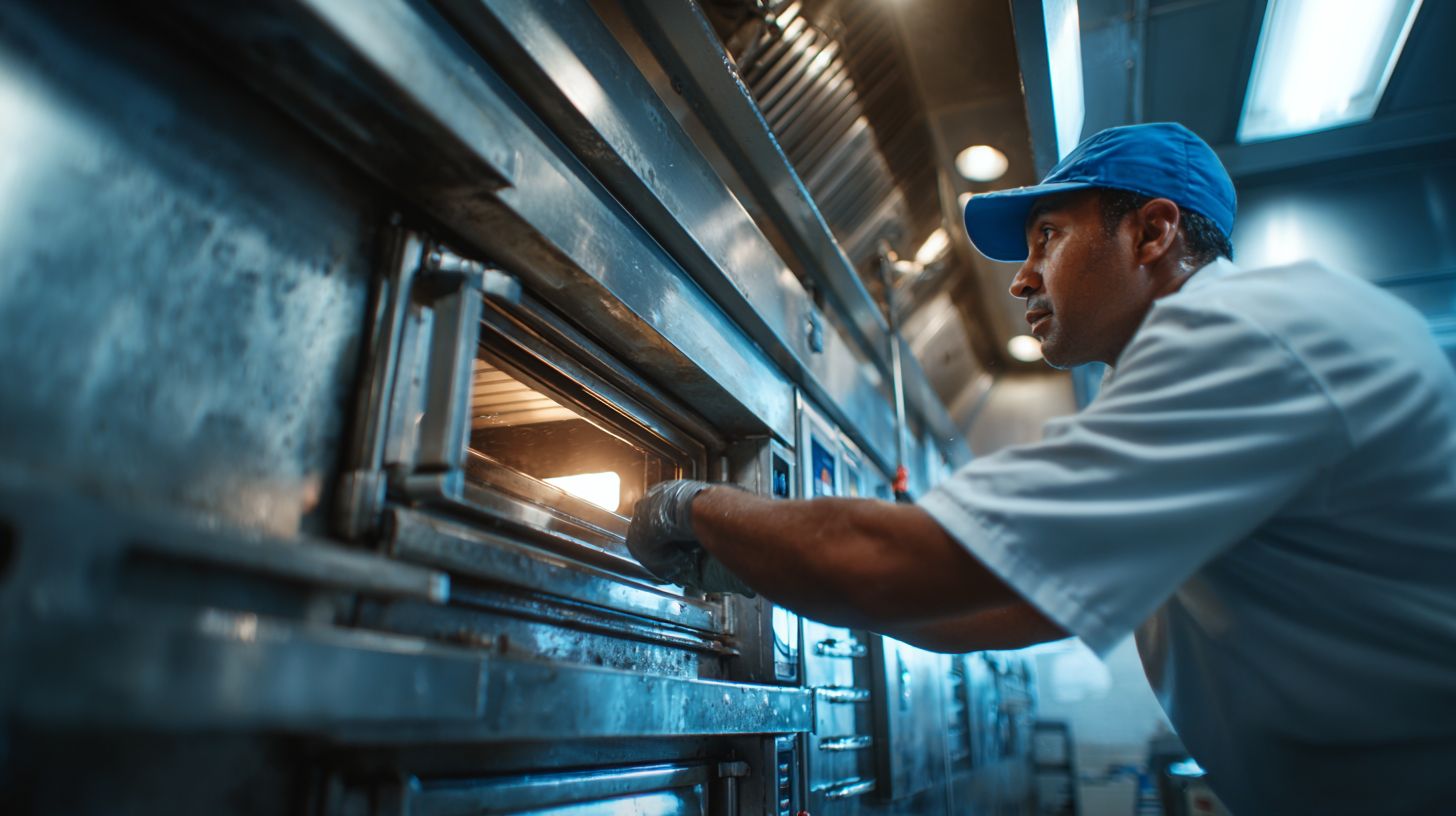


Running a commercial kitchen in The Woodlands comes with a different level of expectation. Customers expect quality, consistency, and a clean environment. Inspectors expect compliance. And your staff expects a workspace that’s safe and manageable during busy hours.
Behind all of that, there’s one system working constantly—the exhaust system above your cookline. It handles heat, smoke, and grease every single day. And if it’s not maintained properly, problems don’t take long to show up.
That’s why so many restaurant owners search for the best hood cleaning in The Woodlands. But what really matters isn’t just finding a service—it’s understanding what actually works in a real kitchen environment.
This guide breaks it down in a practical way, based on how kitchens actually operate—not just theory.
Let’s be clear—hood cleaning is not just wiping down stainless steel surfaces at the end of a shift. That’s basic cleaning. Real hood cleaning goes much deeper.
A proper hood cleaning involves removing grease from the entire exhaust system:
Every time you cook—especially frying, grilling, or using high heat—grease particles rise into the air. These particles don’t disappear. They travel into your hood system, stick to surfaces, and slowly build up.
At first, it’s a thin layer. Then it thickens. Eventually, it turns into a highly flammable coating inside your system.
That’s why hood cleaning isn’t optional—it’s essential.
A lot of kitchens think they’re covered because they clean regularly. But there’s a difference between visible cleaning and functional cleaning.
You can wipe the hood every night and still have:
This is where many restaurants get into trouble. Everything looks clean—until there’s an inspection or, worse, a fire hazard.
What actually works is a combination of:

Hood cleaning issues don’t appear overnight. They build gradually.
By the time you reach Stage 3, immediate cleaning is necessary.
Your kitchen gives you warning signs. You just have to recognize them.
Sign | What You Notice | What It Means |
Smoke doesn’t clear | Air stays hazy | Blocked airflow |
Strong grease odor | Smell lingers | Dirty ducts |
Sticky surfaces | Grease spreading | Poor ventilation |
Loud fan | Noise or vibration | System strain |
Grease dripping | Oil from hood | Severe buildup |
If these signs are present, your current cleaning schedule may not be enough.
There’s no shortcut when it comes to effective hood cleaning. What works is consistency and completeness.
Not all kitchens operate the same way.
Kitchen Type | Cleaning Frequency | Why It Works |
High-volume / heavy frying | Monthly | Controls rapid buildup |
Busy restaurants | Every 3 months | Maintains airflow |
Moderate kitchens | Every 6 months | Prevents long-term issues |
Low-use kitchens | Annually | Minimal buildup |
A proper cleaning includes:
Skipping any part means grease remains in the system.
Daily habits help reduce buildup, but they don’t replace deep cleaning.
Effective kitchens use both:

Choosing the right provider matters more than most people realize.
Make sure they clean everything—not just visible areas.
You shouldn’t have to track every cleaning manually.
The Woodlands has busy restaurants. Your provider should understand that.
Consistency matters more than anything else.
Simple routines can make a big difference.
These habits help maintain system performance between cleanings.
Even experienced operators make these mistakes.
By the time grease is visible, buildup is already severe.
Most grease collects where you can’t see it.
Cheaper services often skip important steps.
Skipping cleanings leads to uneven buildup and higher costs later.

Hood cleaning impacts more than just cleanliness.
Clean systems remove smoke and heat efficiently.
Efficient systems use less power.
A cooler kitchen helps staff perform better.
Regular cleaning lowers fire hazards and inspection issues.
To understand what actually works, consider two scenarios.
Result:
Result:
If you want a system that works, focus on these three things:
Don’t wait for problems to appear.
Understand what’s happening inside your system.
Work with professionals who deliver consistent results.
Finding the best commercial facility maintenance in The Woodlands isn’t about finding a quick solution. It’s about building a system that works in real kitchen conditions.
The most successful kitchens don’t just react to problems—they prevent them.
When your hood system is clean:
In a place like The Woodlands, where expectations are high and kitchens stay busy, that consistency is what keeps everything running smoothly.
Hood cleaning covers the entire kitchen exhaust system, including the hood canopy, filters, ductwork, and exhaust fan. Technicians remove grease buildup, sanitize surfaces, and ensure proper airflow throughout the system.
Cleaning frequency depends on cooking volume. High-volume kitchens may need monthly service, while moderate-use kitchens typically require cleaning every 2–3 months to stay compliant and safe.
Grease buildup inside the exhaust system is highly flammable. Regular hood cleaning significantly reduces the risk of kitchen fires and helps protect staff, customers, and property.
Yes, commercial kitchens must meet fire and health inspection standards. Regular hood cleaning is required to comply with fire codes and avoid penalties or shutdowns.
Most hood cleaning services take between 3 to 6 hours, depending on the size of the system, level of grease buildup, and accessibility.
Warning signs include visible grease buildup, smoke not venting properly, strong cooking odors, dripping grease, and failed inspections.
Basic surface cleaning can be done in-house, but full system cleaning requires trained professionals with specialized tools to safely clean ducts and exhaust fans.
Costs vary based on system size and condition, but most services range from a few hundred to over a thousand dollars per cleaning for commercial kitchens.
Skipping service can lead to grease fires, poor ventilation, higher energy costs, equipment damage, and failed inspections that may result in fines or closure.
Look for certified technicians, proof of insurance, compliance with fire codes, detailed cleaning reports, and before-and-after photos of completed work.