


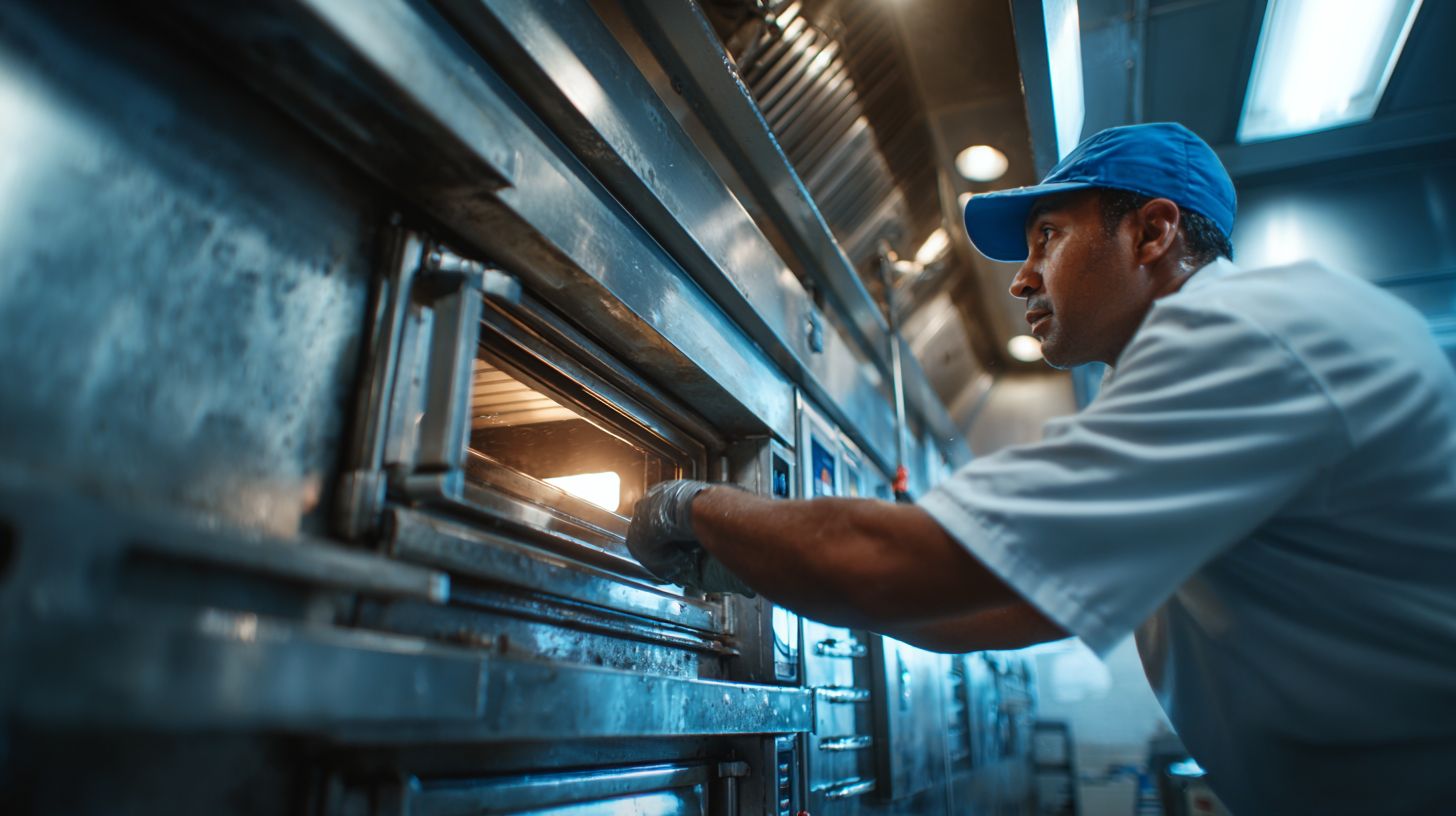


Natural disasters and accidents can strike at any time, often with little warning. Fire and water damage are two of the most devastating events that can affect a commercial property, leaving business owners to deal with costly repairs, loss of property, and disruptions to operations. In Houston, a city that faces frequent weather extremes and the risk of industrial accidents, these incidents can be even more challenging.
In this blog, we’ll explore the impact of fire and water damage on commercial properties in Houston, the restoration process, and how business owners can protect themselves and their properties from these types of disasters.
Houston’s climate and geographic location make it particularly susceptible to fire and water-related damage. Understanding the risks associated with both is the first step in preparing for and mitigating potential damage. These two types of damage, though very different, often overlap in terms of how they affect properties and the methods needed to restore them.
Houston is home to a variety of industries, including oil, gas, and manufacturing, many of which involve flammable materials. The risk of fire is significant in such environments, and commercial buildings are often equipped with specialized equipment that can be vulnerable to fire damage. Furthermore, Houston’s dry seasons can lead to an increased risk of fires in and around commercial properties. Even in residential areas, electrical fires and issues with heating systems can wreak havoc on businesses, forcing them to shut down temporarily or permanently.
In addition to industrial risks, Houston’s densely populated urban areas may also face fire-related incidents. Electrical issues, cooking accidents, and even the occasional arson incident can threaten commercial properties. The effects of fire damage extend beyond just the visible destruction; smoke damage can infiltrate furniture, equipment, and even structural components of the building. That’s why early intervention and prevention are crucial in mitigating fire risks in commercial spaces.
Preventing Fire Risks:
To reduce the likelihood of fire damage, businesses can take several key precautions. First, regular fire safety checks should be a part of the business routine. Ensuring that electrical systems are up to code and that flammable materials are safely stored is essential. Installing fire extinguishers and smoke detectors in key areas can save lives and reduce fire risks. Furthermore, all employees should be trained in fire prevention strategies and emergency evacuation protocols to ensure everyone’s safety in case of an emergency.
On the flip side, Houston’s location along the Gulf Coast places it in the path of frequent heavy rain, hurricanes, and flooding. The city’s infrastructure is sometimes challenged by extreme weather events, which can overwhelm drainage systems and lead to water infiltration in buildings. Additionally, commercial properties often face water damage due to burst pipes, leaky roofs, or malfunctioning plumbing systems. In Houston, these types of disasters are compounded by the risk of floodwaters coming from the nearby bayous, as the city is built on land that is prone to flooding.
Hurricanes like Hurricane Harvey, which devastated Houston in 2017, highlighted the catastrophic impact water damage can have on businesses in the area. Water damage can lead to structural damage, mold growth, and the destruction of inventory, electronics, and documents, making recovery a challenging and lengthy process. Many businesses in Houston have had to rebuild their entire infrastructure after flooding, including flooring, walls, electrical systems, and even HVAC systems.
Water-related issues are not just caused by severe weather events; they can happen at any time due to human error or natural occurrences. A burst pipe or faulty plumbing system can quickly flood an area, causing significant damage to equipment, documents, and inventory. Additionally, standing water can increase the risk of mold growth, which can further compromise the building’s structural integrity and lead to potential health issues for employees and customers.
Preventing Water Damage:
Preventing water damage requires a multifaceted approach. First, businesses need to assess the condition of their roofing and plumbing regularly to prevent leaks and ruptures. Installing sump pumps in basements or lower levels of the building can help divert floodwaters, and investing in water sensors and alarms can alert the business when there is a risk of flooding.

When fire or water damage occurs, time is of the essence. The longer the damage goes unaddressed, the more extensive and costly the repairs will be. Whether it’s dealing with the aftermath of a fire or water flood, immediate intervention is critical to minimize damage and get the business back on its feet quickly.
The fire damage restoration process typically includes the following steps:
The water damage restoration process is typically as follows:

The effects of fire and water damage on a commercial business can be severe. It’s not just about the physical damage to the building; it can also affect business continuity, revenue loss, and the reputation of the company. Below are some of the ways these disasters can impact businesses:
The cost of fire and water damage restoration can be astronomical. Not only are there immediate repair costs, but businesses often face additional expenses, such as replacing damaged inventory, replacing machinery, and covering lost revenue during downtime. In some cases, businesses may never fully recover from the financial blow.
When a business is impacted by fire or water damage, operations are often disrupted for days, weeks, or even months. If the damage is significant enough, businesses may be forced to relocate temporarily, which can cause significant interruptions in customer service, production, and revenue generation.
Commercial spaces often house valuable data, sensitive documents, and equipment that can be destroyed in the event of a fire or water-related disaster. In today’s digital age, businesses rely on servers, computers, and other electronic equipment to store critical information. Water can easily destroy electronic devices, and fire can completely obliterate records and important files. This type of loss can take years to recover from, and in some cases, businesses may never fully recover the lost data.
The reputation of a business can also take a hit following a disaster. If the business is forced to close for an extended period or experiences significant delays in production or service delivery, customers may turn to competitors. Restoring customer trust after such an event can be a lengthy process.
While you can’t completely eliminate the risk of fire and water damage, there are several steps you can take to minimize the chances of such an event happening and protect your business.
Fire Prevention Tips

When fire or water damage occurs, it’s essential to call in professionals. While some minor repairs can be handled in-house, dealing with extensive damage requires specialized knowledge, equipment, and experience. Professional restoration companies in Houston have the tools to mitigate the damage, ensure the safety of the building, and restore it to its pre-damage condition. Additionally, they can help with insurance claims, ensuring that you receive the compensation you deserve.
Commercial fire and water damage in Houston can have serious consequences for businesses. By understanding the risks, preparing for disasters, and implementing preventive measures, business owners can reduce the chances of damage. In the unfortunate event that damage does occur, a quick response and professional restoration services are crucial for minimizing the financial and operational impact. Protect your business, and ensure you’re prepared to handle any challenges that may arise.