


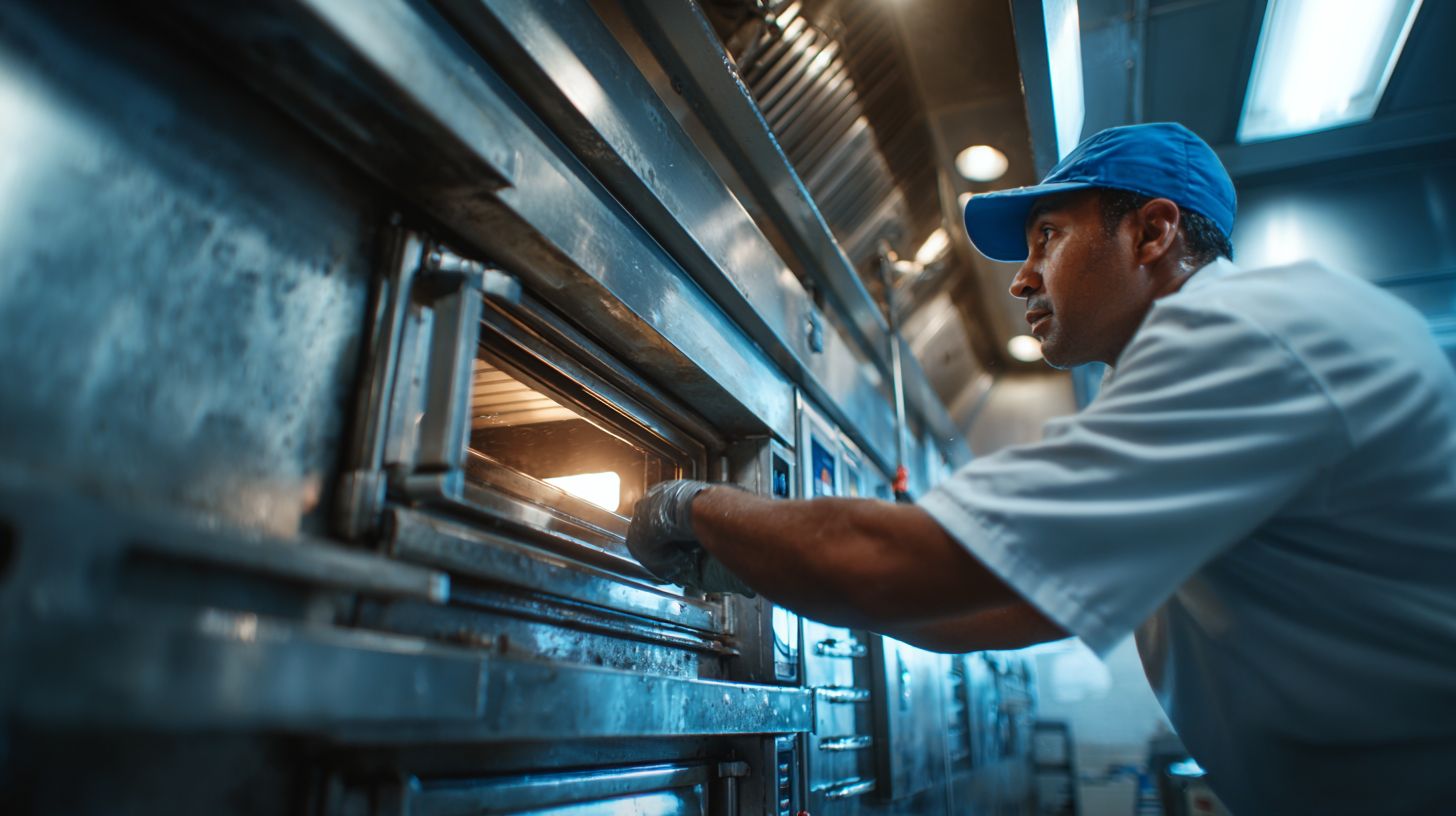


A commercial kitchen is a high-pressure environment that relies on effective systems to maintain a safe, efficient, and hygienic workspace. One of the most important yet often overlooked systems is the kitchen hood. The kitchen hood plays a crucial role in ensuring that smoke, heat, grease, and airborne particles are removed from the kitchen air. However, over time, grease and other debris build up inside the system, which can create severe safety hazards, including fire risks, and negatively affect kitchen efficiency.
A commercial kitchen is a high-pressure environment that relies on effective systems to maintain a safe, efficient, and hygienic workspace. One of the most important yet often overlooked systems is the kitchen hood. The kitchen hood plays a crucial role in ensuring that smoke, heat, grease, and airborne particles are removed from the kitchen air. However, over time, grease and other debris build up inside the system, which can create severe safety hazards, including fire risks, and negatively affect kitchen efficiency.
Kitchen hood cleaning is essential to maintaining both safety and operational efficiency. Regular cleaning ensures that the system is working properly, reduces fire risks, and helps your kitchen operate at peak performance. In this guide, we will walk you through why kitchen hood cleaning is important, how to clean your system, and the benefits of routine cleaning.
Kitchen hood cleaning refers to the process of removing grease, smoke, and other contaminants from the kitchen exhaust system. The system includes the hood canopy, grease filters, ductwork, and exhaust fans. Over time, grease particles from cooking accumulate and stick to these components, creating a significant safety hazard and reducing the system’s efficiency.
To prevent grease buildup, ensure proper airflow, and maintain kitchen safety, regular cleaning of the hood system is crucial. By doing so, you can prevent hazardous grease fires and ensure that the system operates at its full capacity. Cleaning your kitchen hood system is not just about keeping your kitchen visually clean; it’s about maintaining the overall safety, health, and efficiency of your kitchen environment.
The most significant reason for regular kitchen hood cleaning is fire prevention. Grease is highly flammable, and when it accumulates in the kitchen hood system, it can easily catch fire when exposed to heat. If the system is not cleaned regularly, the grease buildup can fuel a fire, causing it to spread quickly throughout the ducts and exhaust fans. Fire safety is paramount in any commercial kitchen, and routine cleaning of the kitchen hood reduces the risk of grease fires and ensures a safer working environment.
Kitchen ventilation systems rely on the hood, filters, ducts, and fans to remove heat, smoke, and grease from the kitchen. Over time, grease buildup can clog these components, restricting airflow and causing the system to operate less efficiently. This can result in poor ventilation, making it harder to remove smoke, grease, and heat from the kitchen, leading to uncomfortable working conditions and increased kitchen temperatures.
By cleaning the system regularly, you ensure that the kitchen hood maintains proper airflow, efficiently removing smoke and grease, improving air quality, and creating a comfortable working environment.
Indoor air quality is often overlooked in commercial kitchens, but it is essential for the health and comfort of your kitchen staff. When grease and smoke accumulate in the kitchen ventilation system, they can circulate throughout the kitchen, leading to poor air quality. Breathing in grease-laden air can cause respiratory problems and discomfort for your staff.
Cleaning your kitchen hood regularly ensures that smoke, grease, and odors are effectively removed from the kitchen, improving the air quality and creating a healthier workspace for your team.
Another critical benefit of routine kitchen hood cleaning is that it helps extend the lifespan of your kitchen equipment. Grease buildup places significant strain on the components of the kitchen ventilation system, particularly the exhaust fan. Over time, this strain can cause mechanical failure and result in costly repairs or replacements. Regular cleaning removes grease buildup, reducing strain on the system and ensuring that the equipment lasts longer and operates efficiently.
To prevent grease buildup, ensure proper airflow, and maintain kitchen safety, regular cleaning of the hood system is crucial. By doing so, you can prevent hazardous grease fires and ensure that the system operates at its full capacity. Cleaning your kitchen hood system is not just about keeping your kitchen visually clean; it’s about maintaining the overall safety, health, and efficiency of your kitchen environment.

While scheduled cleaning is essential, there are several signs that may indicate your kitchen hood needs immediate attention. If you notice any of the following, it’s time to schedule a professional cleaning:
If you see grease on the filters, canopy, or ducts, it’s a clear sign that the system requires cleaning. Visible grease buildup indicates that grease has accumulated in the system, obstructing airflow and posing a fire hazard.
A well-maintained kitchen hood should efficiently remove smoke and cooking odors. If you notice that smells linger in the kitchen or dining area, it could be a sign that the ventilation system is not working properly due to grease buildup. This can affect the overall dining experience and employee comfort.
If you notice smoke accumulating in the kitchen during cooking, it’s a sign that the kitchen hood is not removing smoke effectively. This can make the kitchen uncomfortable and even unsafe to work in.
Loud or struggling exhaust fans can indicate that the system is clogged with grease. When exhaust fans have to work harder to push air through blocked ducts, they can become noisy, and their lifespan may be reduced.
The frequency of kitchen hood cleaning depends on several factors, including the volume of cooking and the type of food being prepared. High-grease cooking methods like deep-frying and charbroiling require more frequent cleaning compared to lighter cooking methods like baking. Below is a table with general recommendations for cleaning frequency based on kitchen operations:
Type of Kitchen Operation | Recommended Cleaning Frequency |
High-volume kitchens (e.g., fast food) | Monthly |
Moderate-volume kitchens (e.g., sit-down restaurants) | Quarterly |
Low-volume kitchens (e.g., cafes) | Semi-annually |
Seasonal kitchens (e.g., catering) | Annually |
The kitchen hood cleaning process involves several steps to ensure that every component of the ventilation system is cleaned thoroughly. Below is an overview of how professional kitchen hood cleaning works:
Before cleaning begins, the area surrounding the kitchen hood system should be covered to prevent grease and cleaning agents from contaminating nearby equipment. All cooking appliances should be turned off, and safety measures should be taken to ensure that the cleaning process doesn’t interfere with kitchen operations.
The grease filters are removed and soaked in a degreasing solution. These filters trap grease particles that rise from cooking, and over time, they become clogged. Soaking them in a degreaser helps to break down the grease, making it easier to clean.
Once the grease filters are cleaned, the hood and ductwork are degreased. Technicians apply a degreasing chemical to the inside surfaces of the hood and ducts. High-pressure washing equipment may be used to remove stubborn grease buildup. Special attention is given to areas around the exhaust fan and corners, where grease accumulation is most common.
The exhaust fan blades and motor components are cleaned as well. Grease buildup on fan blades can reduce airflow, so cleaning the blades and motor ensures that the fan can operate efficiently. This also prevents the fan from overheating or failing prematurely.
After the cleaning process is completed, the technicians inspect the system to ensure that all grease and contaminants have been removed. They check the functionality of the exhaust fan and make sure the entire system is working properly before reassembling the kitchen hood system. The grease filters are replaced, and the system is powered on to confirm that it is operating at full capacity.

The most significant benefit of kitchen hood cleaning is fire prevention. By removing grease buildup, regular cleaning helps reduce the risk of grease fires spreading through the ventilation system.
A clean kitchen hood system restores proper airflow and efficiently removes heat and smoke from the air. This improves the working environment for kitchen staff and ensures that kitchen operations run smoothly.
Regular cleaning removes grease, smoke, and airborne particles from the air, improving the overall indoor air quality. This is particularly important in busy commercial kitchens, where air quality can degrade quickly without proper ventilation.
A clean ventilation system requires less energy to maintain airflow, leading to lower energy consumption and reduced electricity costs. Regular cleaning helps to ensure that your system operates efficiently and doesn’t have to work harder than necessary.
Routine cleaning helps extend the lifespan of your kitchen hood system. Grease buildup puts strain on components like exhaust fans and ducts, leading to more frequent breakdowns. By keeping the system clean, you reduce the wear and tear on your equipment, saving money on repairs and replacements in the long run.
Benefit | Impact |
Fire Prevention | Reduces the risk of grease fires spreading through the ventilation system. |
Improved Ventilation Performance | Restores airflow, efficiently removing smoke, heat, and grease from the kitchen. |
Enhanced Indoor Air Quality | Removes grease vapors and smoke, improving the air quality in the kitchen. |
Reduced Energy Consumption | Lowers electricity usage by improving airflow and reducing strain on the system. |
Extended Equipment Lifespan | Prevents wear and tear, reducing the need for costly repairs and extending the system’s lifespan. |
Kitchen hood cleaning is an essential task for maintaining a safe, efficient, and hygienic commercial kitchen. Regular cleaning helps prevent grease fires, improves ventilation performance, enhances air quality, reduces energy consumption, and prolongs the lifespan of your equipment.
By following a proper cleaning schedule, you ensure that your kitchen meets fire safety regulations and provides a safe working environment for your staff. It’s crucial to hire professionals who are trained to clean kitchen hoods effectively and thoroughly. Professional cleaning will ensure that your kitchen hood system operates at full capacity, protecting your kitchen, staff, and property.
For reliable and comprehensive services, consider Commercial Facility Maintenance Services in Katy, TX to keep your kitchen ventilation system in top shape.
Comprehensive kitchen hood cleaning is the thorough removal of grease, smoke residue, and contaminants from a commercial kitchen exhaust system. This process includes cleaning the hood canopy, grease filters, ductwork, and exhaust fans to maintain proper ventilation and reduce fire hazards.
Kitchen hood cleaning is essential because grease buildup inside exhaust systems is highly flammable. Regular cleaning helps prevent kitchen fires, improves air quality, and supports compliance with fire safety standards such as NFPA 96 established by the National Fire Protection Association.
Cleaning frequency depends on cooking volume. High-volume restaurants often require monthly cleaning, while moderate-volume kitchens typically need quarterly cleaning. Low-volume kitchens may require cleaning twice per year.
A professional hood cleaning service typically includes the hood canopy, grease filters, ductwork, and exhaust fan. Cleaning all parts of the system ensures grease does not accumulate in hidden areas that could create fire risks.
Common signs include visible grease buildup, grease dripping from filters, strong odors, smoke lingering in the kitchen, and reduced ventilation airflow. These signs indicate the exhaust system may need immediate cleaning.
Yes. Removing grease buildup improves airflow and allows ventilation systems to operate more efficiently. This helps reduce strain on exhaust fans and keeps the kitchen environment safer and more comfortable for staff.