



A fire can be one of the most traumatic events a homeowner can experience. It leaves not only physical damage but emotional scars as well. The recovery process can feel overwhelming, but it’s essential to understand that fire and smoke damage restoration is possible, and your home can be brought back to life with proper care and expertise.
In this comprehensive guide, we will walk you through the essential aspects of fire and smoke damage restoration, offering you insight into the process, best practices, prevention, and the importance of hiring professionals. If you’re dealing with the aftermath of fire damage, this guide will help you navigate the road to recovery with clarity and confidence.
When a fire breaks out, it immediately impacts the structure, personal belongings, and the overall health of the property. However, many homeowners underestimate the effects of smoke and soot, which can travel far from the actual flames, causing widespread damage. The most critical aspect of fire damage is that it doesn’t just end once the flames are out. Even if your home is not engulfed by fire, the smoke can leave behind hidden and harmful residue.
There are several types of fire damage, and each one requires different approaches for restoration. The three main categories are:
At Commercial Facility Maintenance Services in Galveston, TX, we provide professional fire and smoke restoration services for offices, retail spaces, and industrial buildings.

The fire and smoke damage restoration process is intricate and involves several stages. It’s important to understand each step so that you can make informed decisions during the recovery process. Let’s dive into the essential stages of the restoration process.
The restoration journey begins with a comprehensive assessment. After a fire, the first step is to call in professionals to inspect the damage. They will assess both the visible damage from the flames and the hidden damage from smoke and soot. This inspection helps determine the scope of the restoration work, as well as the extent of the contamination caused by the fire.
Restoration experts will create a detailed plan for cleanup, restoration, and repairs. They will assess the structural damage to the home, check for potential safety hazards, and determine whether the property is habitable.
Once the inspection is complete, it’s crucial to secure the property. This is an essential part of fire restoration, as the home might be vulnerable to additional damage from environmental elements such as rain or intruders.
Fire damage often leaves windows broken, doors unsecured, and even structural weaknesses in place. Restoration companies will board up windows, place tarps over holes in the roof, and add temporary fencing or barriers around the home if necessary. This ensures that the property is protected while work is being done.
If the fire was extinguished using water, a significant amount of moisture would have soaked into the structure. The water used by firefighters can lead to further issues like mold growth, wood rot, and electrical malfunctions.
Water extraction is the next step in the restoration process. Professional teams use specialized equipment such as industrial vacuums and pumps to remove excess water from the property. Once the water is extracted, the next task is drying the area thoroughly using dehumidifiers and air movers to prevent mold and mildew from forming.
After water extraction and drying, the next significant step is cleaning the affected areas. Soot, which is produced by the incomplete combustion of materials during the fire, can leave behind a thick residue that adheres to surfaces like walls, ceilings, and floors. It’s also highly acidic, which means that if not properly cleaned, it can cause permanent damage.
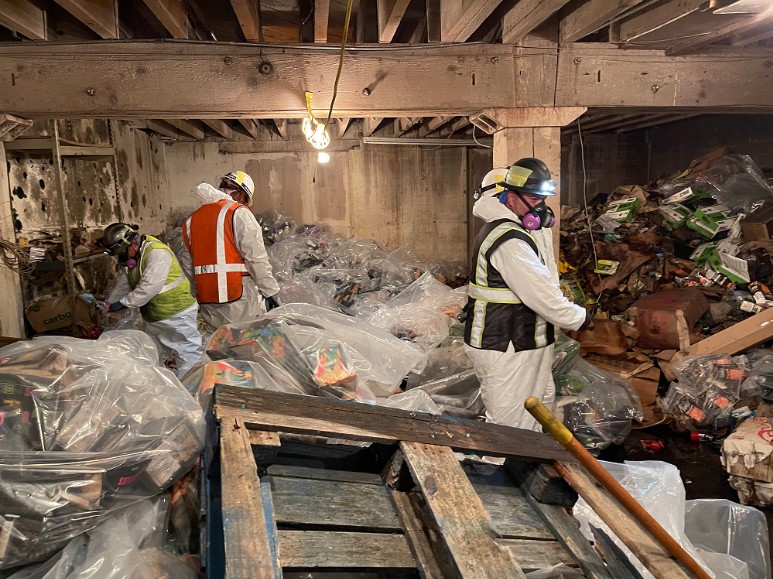
Restoration professionals like Commercial Facility Maintenance Services in The Woodlands, TX will use industrial-grade cleaning agents and equipment, such as air scrubbers, to remove soot from various surfaces. This step is time-consuming and requires specialized training, as certain cleaning techniques are needed for different surfaces. For example, delicate fabrics will require gentler cleaning methods compared to more durable surfaces like tile or metal.
One of the most challenging aspects of fire damage is the lingering smell of smoke. The odor can penetrate furniture, clothing, carpeting, and even the walls of your home. It’s essential to address smoke odor removal early in the process to ensure that your home will be habitable once restoration is complete.
Professional restoration teams employ various methods to eliminate smoke odors, including:
Once the cleaning and deodorization processes are complete, the final stage of fire and smoke damage restoration is repairs and reconstruction. Depending on the severity of the damage, this could involve anything from patching up small holes to completely rebuilding parts of the home.
Repairs may include:
While it’s tempting to handle fire and smoke damage restoration on your own, it’s always better to hire professionals. They have the necessary expertise, experience, and equipment to ensure that the job is done correctly.
Some reasons to hire professionals include:

While you can’t always prevent fires, there are steps you can take to reduce the risk of a fire and minimize the damage if one occurs. Here are a few prevention tips:
Smoke detectors are your first line of defense against fire. Ensure that smoke detectors are installed in every room, especially near the kitchen and bedrooms. Test them monthly and change the batteries at least once a year.
A well-thought-out escape plan is essential for the safety of your family. Make sure everyone knows two exits from every room, and designate a safe meeting point outside. Practice your escape plan regularly.
Consider upgrading to fire-resistant materials in areas like the roof, walls, and windows, especially if you live in an area prone to wildfires. Fire-resistant landscaping, like gravel or stone paths, can also help prevent the spread of fire.
Follow safety guidelines for cooking appliances, fireplaces, and space heaters. Never leave cooking or candles unattended, and keep flammable materials away from heat sources. Ensure that all electrical appliances are in good working condition and avoid overloading circuits.
It’s always a good idea to have a fire extinguisher readily available in key areas, such as the kitchen, garage, and near any heating sources. Make sure everyone in the home knows how to use it.
Dealing with the aftermath of a fire can be one of the most challenging experiences a homeowner can go through. However, fire and smoke damage restoration is not only possible, but it’s also an essential step toward returning your home to its original state. By understanding the process and working with professionals, you can restore your home safely and efficiently.
Remember, acting quickly is key to minimizing the long-term damage caused by fire and smoke. Don’t hesitate to reach out to a professional fire restoration company, as they have the experience and expertise to help you navigate the restoration process.