




A fire can disrupt life in a matter of minutes. What follows is often confusion, stress, and uncertainty about what to do next. While the flames may be extinguished quickly, the impact does not end there. Smoke travels into hidden areas. Soot settles on surfaces you would not expect. Water used to control the fire introduces an entirely new layer of damage.
Professional fire and smoke restoration is the process that brings a property back to a safe, stable, and livable condition. It is not simply about wiping down walls or repainting ceilings. It involves detailed assessment, controlled cleaning, odor neutralization, drying, and structural repair.
This guide explains what happens after a fire, what types of damage you may encounter, and how to make informed decisions during recovery.
Fire and smoke restoration is a structured, multi-step process designed to clean, repair, and rebuild properties affected by fire. The damage from a fire typically falls into three categories:
Heat may weaken framing, warp materials, and compromise structural stability. Smoke spreads beyond the original burn area, leaving microscopic particles in walls, insulation, and ventilation systems. Water saturation can soak drywall, flooring, and subfloors, increasing the risk of mold growth if not handled quickly.
Because of these overlapping factors, proper fire and smoke restoration requires more than surface cleaning. It demands a coordinated plan that addresses all forms of damage at the same time.
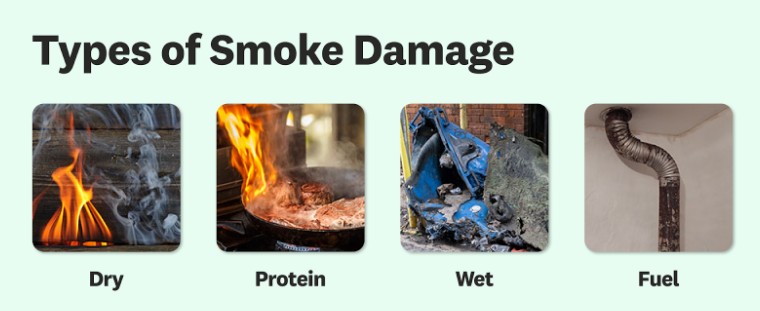
Every fire behaves differently. The materials that burn, the temperature of the fire, and the duration of exposure all influence the type of residue left behind.
Fast-burning fires that consume wood or paper create a fine, powdery soot. This residue travels easily through air currents and ventilation systems. While it may appear easier to clean, improper handling can push particles deeper into porous materials.
Slow, smoldering fires produce a thick, sticky residue. Materials such as plastics and rubber generate this type of smoke. Wet smoke has a strong odor and can smear if cleaned incorrectly, making professional treatment essential.
Cooking fires often create nearly invisible contamination. Walls may appear clean, but odor lingers and surfaces can yellow over time. This type of residue requires specialized deodorization methods.
Heating system malfunctions can distribute oily soot throughout a property. Fine particles coat ceilings, walls, and furnishings. Because this residue is greasy, it often requires controlled cleaning techniques.
Each situation demands a specific fire and smoke restoration approach tailored to the type of contamination present.
Restoration follows a systematic sequence designed to prevent further damage and ensure thorough recovery. In some cases, property owners may also coordinate with professional cleaning providers such as specialized janitorial cleaning services to maintain unaffected areas of the building during the restoration process or to prepare the space for re-occupancy after repairs are complete.
The first step is evaluating structural safety. Professionals inspect framing, flooring, roofing, and electrical systems. Documentation begins immediately to support insurance claims.
Broken windows are boarded. Roof openings are tarped. This prevents additional weather exposure and protects the property from unauthorized entry.
Standing water is extracted using pumps and industrial vacuums. High-capacity dehumidifiers and air movers reduce moisture levels inside walls and flooring.
Loose soot is removed using HEPA-filter vacuums and dry-cleaning sponges. This prevents smearing and further absorption into surfaces.
Air scrubbers, thermal fogging equipment, and ozone treatments break down odor molecules embedded in porous materials. Surface cleaning alone cannot eliminate these particles.
Damaged drywall, flooring, cabinetry, and structural components are repaired or replaced. The goal of fire and smoke restoration is to return the property to its pre-loss condition whenever possible.
Smoke residue is not just cosmetic. It may contain microscopic particles from burned plastics, treated lumber, insulation, and household products. Prolonged exposure can irritate the respiratory system and aggravate existing conditions such as asthma.
Common symptoms associated with smoke contamination include:
Air filtration and HVAC inspection are critical components of fire and smoke restoration. Without proper cleaning, smoke particles may continue circulating long after visible cleanup is complete. For businesses managing larger properties, partnering with providers experienced in Commercial Facility Maintenance Katy, TX can also help ensure that ventilation systems, shared spaces, and operational areas are properly maintained during and after the restoration process.

After a fire, it can feel as though everything must be discarded. However, many items can be saved with professional cleaning.
Commonly restored contents include:
Specialized cleaning facilities often handle delicate items off-site. Ultrasonic cleaning, deodorization chambers, and controlled drying rooms are used to remove soot and odor safely. Property owners in surrounding communities may also coordinate with trusted providers serving areas such as The Woodlands, TX to ensure contents are properly cleaned, transported, and restored during the recovery process.
Selecting a qualified provider can significantly affect the speed and quality of recovery.
Technicians should follow recognized industry standards for structural drying and fire damage cleanup.
Damage worsens quickly. A provider offering 24/7 response can reduce secondary issues such as corrosion or mold growth.
Clear documentation, photo records, and direct communication with adjusters streamline the claims process.
A reputable company outlines each stage of the fire and smoke restoration process before work begins. For larger properties and commercial buildings, working with providers experienced in Commercial Facility Maintenance Spring, TX can also help ensure ongoing operational support and facility care during the restoration timeline.
The cost of recovery depends on several variables:
Minor smoke cleanup may take several days. Larger structural rebuilds may extend for months. Beginning mitigation quickly can reduce overall expenses and shorten recovery time.

When cleanup is delayed, additional problems may develop:
Timely fire and smoke restoration reduces these risks and stabilizes the environment quickly.
The emotional impact of a fire should not be underestimated. Displacement, disruption of routine, and the loss of personal items can feel overwhelming. Clear communication and steady progress during restoration often provide reassurance during this difficult period. Property owners seeking additional information about the recovery process can also reference detailed resources such as this guide on fire and smoke damage restoration to better understand what to expect at each stage.
Working with experienced professionals allows property owners to focus on personal recovery while technical experts handle structural and environmental concerns.
Fire damage extends far beyond what the eye can see. Smoke infiltration, hidden moisture, and structural compromise require careful assessment and controlled remediation.
Professional fire and smoke restoration is a detailed, methodical process designed to restore safety, stability, and comfort. With the right plan and timely response, properties can be rebuilt and returned to functional living spaces.