


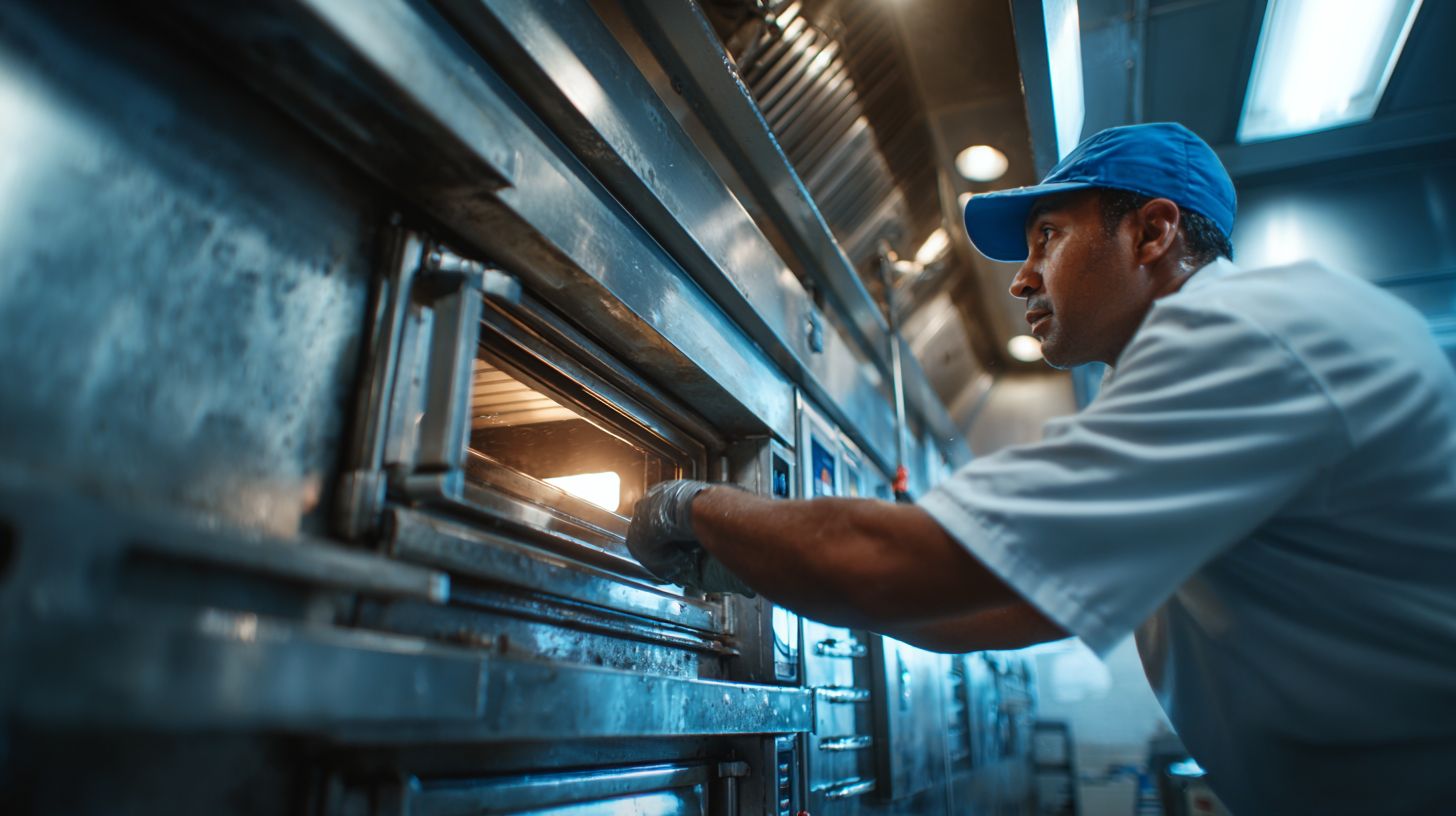


Commercial kitchens operate in fast-paced environments where heat, grease, smoke, and heavy equipment are part of daily operations. Over time, grease and contaminants accumulate inside the kitchen exhaust system, especially in the hood, ducts, and exhaust fans.
Hood cleaning is the process of removing this buildup to maintain fire safety, improve airflow, and ensure a hygienic cooking environment. When neglected, grease accumulation can create serious fire hazards, reduce ventilation efficiency, and even lead to health code violations.
This guide explains why hood cleaning matters, how it works, and what restaurant owners and kitchen managers should know to keep their kitchens safe and compliant.
Hood cleaning refers to the deep cleaning of a commercial kitchen’s exhaust system. This system typically includes:
The purpose of hood cleaning is to remove grease deposits that accumulate during cooking. These deposits are highly flammable and can restrict airflow when left unattended.
Professional hood cleaning usually involves dismantling accessible components, applying degreasers, pressure washing the system, and ensuring that the entire exhaust path is free from grease buildup.
Many restaurant owners focus heavily on food safety but underestimate the role ventilation plays in maintaining a safe kitchen environment. Hood cleaning supports multiple aspects of restaurant operations.
Grease buildup is one of the leading causes of kitchen fires. When flames flare up during cooking, grease deposits inside the hood and ducts can ignite quickly.
Routine hood cleaning removes this fuel source and significantly lowers fire risk.
A clogged exhaust system struggles to remove heat, smoke, and odors. This can lead to:
Clean hoods allow air to flow freely and keep the kitchen environment manageable for staff.
Local fire codes and industry standards require commercial kitchens to maintain clean exhaust systems. Failure to comply can result in:
Regular hood cleaning ensures kitchens stay compliant with safety requirements.

Restaurant operators often notice performance issues before realizing the hood system needs maintenance. Watch for these common warning signs.
Warning Sign | What It Means |
Visible grease dripping from the hood | Grease accumulation has exceeded safe levels |
Smoke lingering in the kitchen | Exhaust airflow is restricted |
Strong grease odors | Grease deposits inside ducts or filters |
Sticky surfaces near the hood | Airborne grease particles are not being captured |
Increased kitchen temperature | Ventilation system is struggling to remove heat |
If these signs appear, scheduling a hood cleaning service should become a priority.
Professional hood cleaning follows a structured process to ensure the entire exhaust system is properly cleaned.
Technicians begin by protecting cooking equipment and surrounding areas with plastic sheeting. Electrical components and appliances are shielded from water and cleaning chemicals.
Grease filters are removed from the hood and soaked in degreasing solutions to break down heavy grease deposits.
Industrial-grade degreasers are applied to loosen grease buildup inside the hood canopy and accessible duct areas.
Hot water pressure washing removes grease and debris from the hood, ductwork, and fan components.
After cleaning, technicians inspect the system to ensure grease has been removed and airflow is restored.
The frequency of hood cleaning depends largely on cooking volume and the type of food being prepared.
Type of Kitchen Operation | Recommended Cleaning Frequency |
High-volume restaurants (24-hour or heavy frying) | Monthly |
Busy restaurants or hotels | Every 3 months |
Moderate-volume kitchens | Every 6 months |
Low-volume kitchens (churches, seasonal facilities) | Annually |
Following an appropriate cleaning schedule helps prevent dangerous grease accumulation.

Although some surface cleaning can be done by kitchen staff, deep hood cleaning typically requires professional equipment and expertise.
Key benefits include:
Professional technicians also document the cleaning service, which can be important during safety inspections.
Regular maintenance between professional cleanings can help reduce grease buildup and extend the time between service visits.
Practical maintenance tips include:
These simple practices help maintain a safer kitchen environment.
Many commercial kitchens unintentionally increase fire risk by overlooking basic hood maintenance.
Common mistakes include:
Consistent maintenance is the best way to avoid expensive repairs and potential safety hazards.
Hood cleaning plays a vital role in maintaining safe and efficient commercial kitchens. By removing grease buildup and ensuring proper ventilation, restaurants can reduce fire risks, improve air quality, and remain compliant with safety regulations.
Regular hood cleaning should be viewed as a critical part of kitchen maintenance rather than an occasional task. When performed on schedule, it helps protect staff, equipment, and the overall operation of the restaurant.
Commercial kitchen hood cleaning is the process of removing grease, smoke residue, and contaminants from the hood, filters, ductwork, and exhaust fan to improve airflow and reduce fire risk.
Cleaning frequency depends on cooking volume. High-use kitchens may need monthly cleaning, moderate-use kitchens quarterly, and low-use kitchens semi-annually or annually.
Grease buildup inside the hood and duct system is highly flammable. Regular cleaning helps reduce the risk of dangerous kitchen fires and keeps the system operating safely.
Common signs include visible grease buildup, strong odors, excessive smoke, poor ventilation, and grease dripping from the hood or ducts.
Staff can handle light maintenance like cleaning filters, but full system cleaning requires specialized equipment and should be performed by trained professionals.
Neglecting hood cleaning can lead to fire hazards, reduced airflow, higher energy costs, equipment damage, and potential health or safety violations.
Professional services typically include cleaning the hood, filters, ductwork, and exhaust fan, along with grease removal and system inspection.
Most hood cleaning services take a few hours, depending on the size of the system and the level of grease buildup.
Yes. Removing grease and debris allows the exhaust system to function properly, improving airflow and indoor air quality.
Yes. Local fire and health codes often require regular hood cleaning and inspections to ensure safety and compliance.