


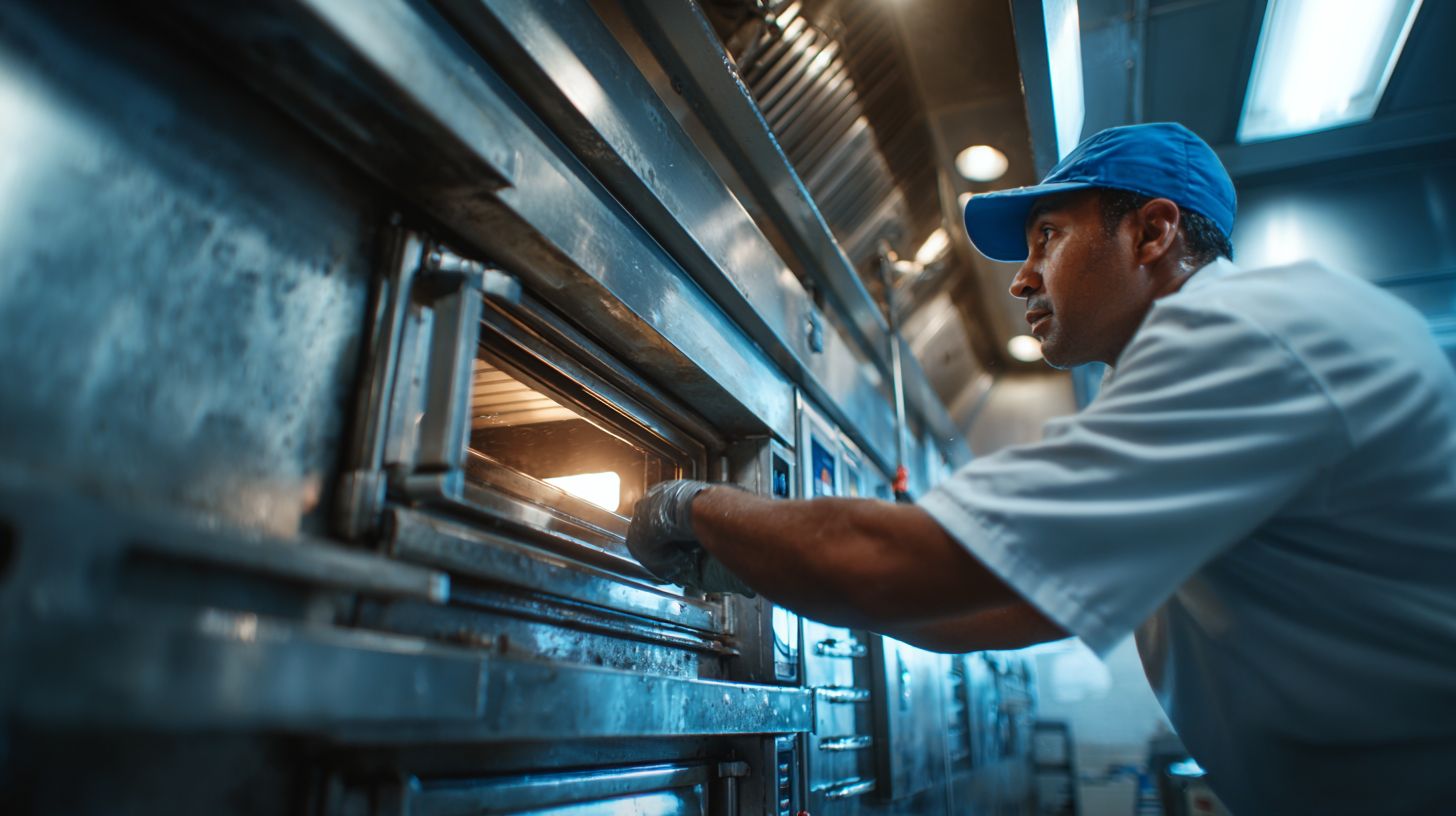


Kitchens across the greater Houston area all share one thing in common. They operate in environments that rarely stay the same from one hour to the next. Whether it is a fast-paced restaurant in Houston, a growing food spot in Katy, or a busy kitchen in The Woodlands, the conditions inside are constantly shifting.
What makes these changes more noticeable in this region is not just the volume of cooking. It is the combination of climate, daily workload, and how air behaves in enclosed spaces.
Because of this, hood cleaning becomes less about reacting to buildup and more about understanding how the kitchen environment evolves over time.
In areas like Houston, Katy, and The Woodlands, environmental conditions are not neutral. They actively influence how kitchens feel throughout the day.
This creates a situation where heat and airborne particles do not simply pass through the system. Instead, they interact with the environment and settle in ways that build over time.
These changes are not immediate. They develop slowly, which is why they are often overlooked.
The difference between early hours and peak service can be more noticeable in this region.
This cycle repeats daily, and over time, small changes begin to build.

Humidity changes how airborne particles behave.
In drier environments:
In humid regions like Houston and surrounding areas:
This is one of the reasons why kitchens in Katy and The Woodlands experience similar patterns, even if their workload differs slightly.
Buildup rarely announces itself.
It forms gradually:
Because each stage is subtle, kitchens often continue operating without recognizing the progression.
Different kitchens across Houston and surrounding areas experience these changes in slightly different ways.
Kitchen Type | Location Example | Environmental Impact |
High-volume kitchens | Downtown Houston | Rapid and consistent buildup |
Suburban restaurants | Katy | Balanced but steady accumulation |
Upscale kitchens | The Woodlands | Controlled environment but still affected by humidity |
Smaller kitchens | Surrounding areas | Slower buildup but noticeable over time |
Even with different setups, the regional climate influences all of them.
Airflow is one of the first things to change, but it is rarely measured directly.
Instead, it is felt.
These changes are subtle enough to ignore at first, but they become more noticeable during long shifts.

One of the most interesting patterns in kitchens is how quickly people adjust to changes.
When the environment shifts:
Because these adjustments happen naturally, they often go unnoticed.
The kitchen continues to function, but not in the same way it used to.
During slower periods, small inefficiencies are easy to overlook.
But during peak hours:
This is when the system is under the most pressure.
Even slight imbalances can affect how the entire space feels.
Location | Typical Kitchen Feel | Long-Term Pattern |
Houston | Fast-paced, high heat | Rapid environmental shifts |
Katy | Balanced but active | Gradual buildup over time |
The Woodlands | Controlled but humid | Subtle but consistent changes |
Surrounding areas | Slower pace | Delayed but noticeable shifts |
Despite differences in pace, the underlying patterns remain similar.
In this region, it is not about doing more at once. It is about maintaining a steady approach.
Consistency helps:
This is why hood cleaning plays a role in maintaining stability rather than reacting to visible issues.
The first signs are almost always physical, not visual.
These signs are easy to overlook because they do not interrupt operations immediately.

When something feels different, it is easy to assume:
While these may contribute, they are not always the main cause.
Because the changes happen gradually, they are often attributed to normal variation.
Hood cleaning helps maintain balance by addressing the areas that are not visible during daily operations.
It supports:
Instead of reacting to visible buildup, it helps prevent small changes from continuing to build.
Rather than focusing only on cleaning schedules, it helps to think about how the environment behaves over time.
Questions to consider:
These observations provide a clearer picture than relying only on visible signs.
Over time, consistent maintenance supports:
Without consistency:
These effects are gradual but noticeable.

Understanding how Houston, Katy, and The Woodlands influence kitchen conditions helps explain why consistency is important.
It is not just about the kitchen itself.
It is about how:
This combination creates a unique environment that requires a steady approach.
Instead of thinking of hood cleaning as a one-time task, it helps to see it as part of maintaining consistency in a constantly changing environment.
It supports:
This perspective makes it easier to understand its role in overall kitchen performance.
Across Houston, Katy, The Woodlands, and surrounding areas, kitchens operate under conditions that naturally create change.
Heat, humidity, and long hours all contribute to an environment that is constantly evolving.
Because of this, the kitchens that perform the most consistently are not the ones that avoid buildup completely.
They are the ones that understand how these changes happen and maintain a steady approach through hood cleaning.
In a region where conditions rarely stay the same, that consistency is what keeps everything manageable.
Q: How often should hood cleaning be done in Houston-area kitchens?
A: Frequency depends on kitchen volume, but many high-use kitchens in Houston require monthly or quarterly cleaning due to heat and humidity accelerating grease buildup.
Q: Why do kitchens in Katy and The Woodlands need regular hood cleaning?
A: Growth in commercial activity and varied cooking styles can lead to inconsistent grease accumulation, making routine cleaning essential for performance and safety.
Q: Does climate affect hood cleaning frequency?
A: Yes. Warmer and more humid environments can increase grease buildup and reduce airflow efficiency, requiring more frequent maintenance.
Q: What are the risks of skipping hood cleaning?
A: Increased fire hazards, poor ventilation, higher kitchen temperatures, and potential compliance issues.