


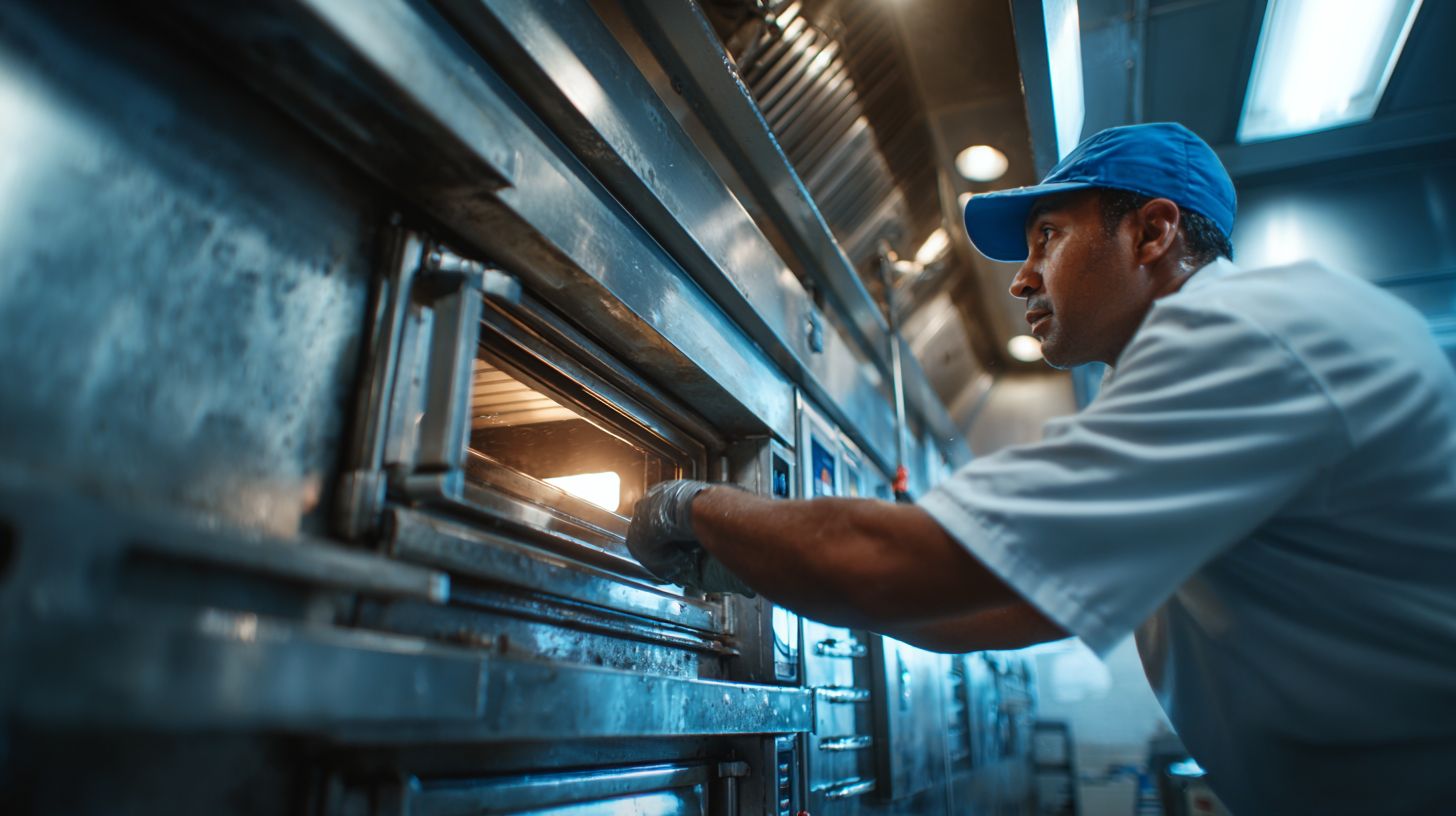


If you operate a kitchen in Houston, you already understand how demanding the environment can be. From early prep to late-night service, equipment is constantly running, producing heat, smoke, and grease. While most of the attention goes toward food and service, there’s another system working just as hard behind the scenes—your exhaust system.
This is where hood cleaning in Houston becomes essential. Not as a one-time task, but as an ongoing part of keeping your kitchen safe, comfortable, and efficient.
This guide takes a practical look at hood cleaning from a real kitchen perspective—what happens, what to watch for, and what actually makes a difference over time.
In many kitchens, cleaning the hood means wiping down visible surfaces at the end of the day. While that’s important, it only addresses a small portion of the system.
A full exhaust system includes:
As food cooks, grease particles become airborne and rise into the hood. These particles don’t disappear—they settle and stick to surfaces inside the system.
At first, it’s barely noticeable. Over time, layers form. And in a city like Houston, where kitchens run constantly, those layers build quickly.
Not every city creates the same conditions inside a kitchen. Houston stands out for a few reasons.
Houston’s food industry is active throughout the day. Many kitchens serve breakfast, lunch, and dinner without long breaks. That means the exhaust system rarely gets a chance to rest.
From fried foods to grilled meats, many popular menu items generate a high level of grease vapor. The more grease produced, the more enters your exhaust system.
Houston’s heat and humidity change how grease behaves. Instead of drying out, grease tends to stay sticky, making it easier to cling to duct surfaces and harder to remove later.

Most of the changes inside your system happen gradually.
At this point, the system is no longer operating as it should.
Even if everything looks fine on the surface, your kitchen will usually give subtle clues.
Observation | What You Might Notice | Possible Cause |
Air feels heavier | Kitchen stays warm longer | Reduced airflow |
Smoke lingers | Doesn’t clear quickly | Duct restriction |
Greasy smell | Odor hangs in the air | Internal buildup |
Fan sounds different | Louder or strained | System resistance |
Sticky areas nearby | Grease outside cooking zone | Poor capture |
These signs often appear before visible grease buildup.
One of the biggest misconceptions about hood cleaning is that a single deep cleaning solves the problem long-term.
In reality, what works best is consistency.
Instead of thinking in terms of “when it gets bad,” kitchens that run smoothly follow a regular schedule that matches their cooking volume.
Kitchen Activity Level | Suggested Cleaning Interval |
Heavy, continuous cooking | Monthly |
High but controlled volume | Every 3 months |
Moderate use | Every 6 months |
Occasional use | Once a year |
The goal isn’t perfection—it’s preventing buildup from reaching a problem point.

While deep cleaning is necessary, daily habits play a big role in slowing down buildup.
Simple routines that help:
These habits don’t replace deeper cleaning, but they support it.
Even experienced kitchen operators sometimes approach hood cleaning the wrong way.
Most buildup happens inside ductwork and around the fan—areas you don’t see during daily operations.
By the time a problem becomes noticeable, the buildup has already been there for a while.
Surface cleaning helps with appearance, but it doesn’t address internal accumulation.
Hood cleaning doesn’t just impact safety—it changes how your kitchen feels and functions.
When airflow is unrestricted, smoke and heat leave the kitchen quickly.
A clean system helps prevent heat from building up, making the environment more manageable.
When the exhaust system works properly, other equipment doesn’t have to compensate.
A kitchen with better airflow is easier to work in, especially during peak hours.

From a practical standpoint, kitchens that stay ahead usually follow a simple pattern.
Instead of waiting for major issues, they notice early signs like airflow changes or lingering smoke.
They don’t rely on occasional cleaning—they follow a routine that matches their workload.
They know that what’s happening inside ducts and fans matters just as much as what’s visible.
Instead of treating hood cleaning as a task, it helps to think of it as part of how your kitchen operates.
When everything is working properly:
When it’s not:
Hood cleaning in Houston isn’t just about keeping things clean—it’s about keeping everything working the way it should.
In a city where kitchens are constantly active, small changes in your exhaust system can have a big impact over time.
The kitchens that run smoothly aren’t the ones that never deal with buildup—they’re the ones that stay ahead of it.
By paying attention to consistency, understanding how your system works, and recognizing early signs, you create a kitchen environment that’s safer, more efficient, and easier to manage every day. Just like how Commercial Facility Maintenance Services in Houston, TX support overall operations beyond the kitchen.
Hood cleaning frequency in Houston depends on cooking volume and grease output. High-volume kitchens like fast food or 24/7 operations may require monthly cleaning, while moderate-use kitchens typically need quarterly service following NFPA 96 guidelines.
A professional hood cleaning service includes removing grease from the exhaust hood, filters, ductwork, and exhaust fan. The process ensures proper airflow, reduces fire risk, and helps maintain compliance with safety regulations.
Yes, commercial kitchens in Houston must follow fire safety regulations based on NFPA 96 standards. Regular hood cleaning is required to reduce fire hazards and pass inspections by local authorities.
Hood cleaning in Houston typically costs between $300 and $1,200 per service. Pricing depends on the size of the system, level of grease buildup, and accessibility of the exhaust components.
Common signs include visible grease buildup, strong odors, smoke not venting properly, grease dripping, and reduced airflow in the kitchen.
Most hood cleaning services take between 2 to 4 hours. Larger or heavily soiled systems may take longer depending on the complexity of the exhaust system.
Basic surface cleaning can be done by staff, but full system cleaning (including ducts and fans) should be handled by professionals to meet fire safety standards and ensure thorough grease removal.
Failure to clean your hood system can lead to grease fires, failed inspections, fines, insurance issues, and unsafe working conditions in your kitchen.