


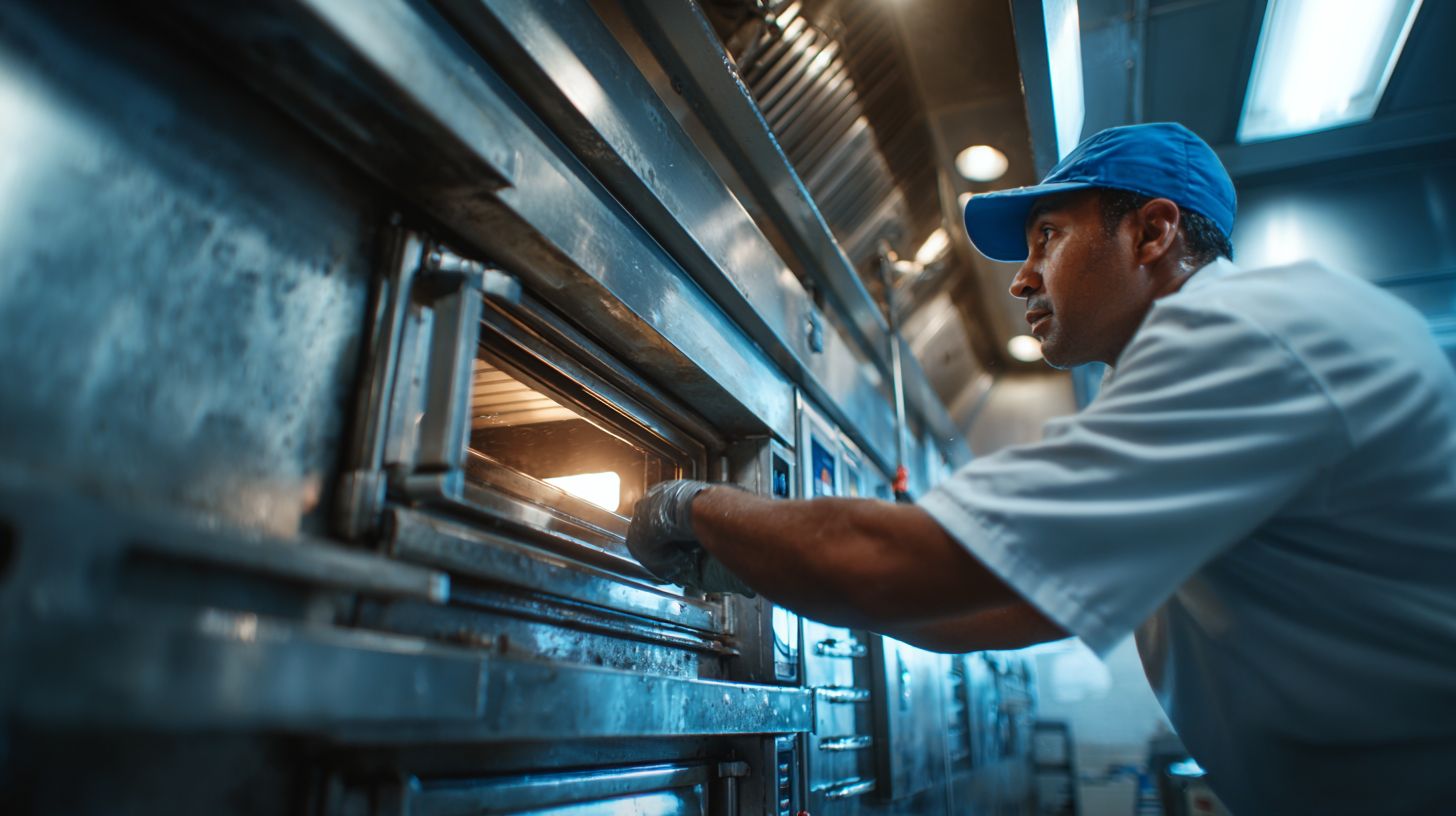


In Houston, kitchens operate under a different kind of pressure. It is not just the pace of service or the volume of cooking that shapes the environment. It is also the surrounding conditions. Heat, humidity, and long operating hours all combine to create a space where small changes can build faster than expected.
This is where hood cleaning in houston becomes more than just a routine task. In Houston kitchens, it becomes part of how the environment is managed day after day.
What makes it different is not just how often cleaning is needed, but how quickly conditions can shift when consistency is not maintained.
Houston’s climate plays a significant role in how kitchen environments evolve throughout the day. Warm air, combined with high humidity, creates a setting where airborne particles behave differently compared to cooler regions.
When cooking begins:
This combination affects how residue forms inside exhaust systems. Instead of remaining dry and loose, particles tend to cling more easily to surfaces, forming thicker layers over time.
Because of this, kitchens in Houston often experience changes sooner than expected.
In a humid environment, airborne grease does not behave the same way it does in dry air. Moisture adds weight and stickiness, allowing particles to settle more efficiently.
This means:
Understanding this helps explain why regular attention is important. It is not just about frequency, but about how environmental conditions accelerate the process.

A typical kitchen in Houston goes through several noticeable phases during the day.
These phases repeat daily, and the hood system responds continuously to each one.
Airflow is not just about equipment performance. It is also influenced by the surrounding environment.
In Houston:
This makes airflow changes more noticeable, especially during busy periods.
Three elements work together inside a kitchen:
When heat rises, it carries particles upward. Moisture helps those particles stick to surfaces. Airflow determines how efficiently they are removed.
If one of these elements changes, the entire system responds.
Different types of kitchens experience these effects in different ways.
Kitchen Type | Daily Activity Level | Effect in Houston Conditions |
High-volume kitchens | Continuous operation | Rapid accumulation of residue |
Fast-paced restaurants | Peak service hours | Uneven buildup patterns |
Moderate kitchens | Balanced workflow | Gradual environmental shifts |
Low-use kitchens | Occasional cooking | Slower but consistent buildup |
Even kitchens with lower activity levels are influenced by Houston’s climate.

Most changes inside a hood system are not immediately visible. They develop slowly and do not interrupt operations right away.
Because of this:
These gradual shifts can continue for long periods before becoming obvious.
Even small environmental differences can influence how a kitchen functions.
When conditions shift:
These effects do not stop operations, but they change how the space feels.
Consistency plays a larger role than most people expect. It is not about reacting to visible buildup, but about maintaining balance before changes become noticeable.
Consistent routines help:
This is especially important in Houston, where conditions naturally accelerate change.
Maintenance Approach | Immediate Effect | Long-Term Outcome |
Consistent routine | Stable airflow | Balanced kitchen environment |
Occasional attention | Temporary improvement | Recurring buildup |
Reactive approach | Fix after changes appear | Increased system strain |
Consistency prevents small changes from becoming larger issues.

Hood systems do not operate in isolation. They are part of a larger environment that includes multiple systems working together.
This is similar to how facility repair services address different parts of a building to maintain overall performance.
When one part changes, it can influence others over time.
Understanding how real kitchens operate can provide helpful insight. For example, this article on Best Hood Cleaning in Houston TX explores how consistent practices support long-term kitchen balance.
Similarly, learning the process itself through resources like How to Clean a Restaurant Hood helps explain how each step contributes to overall performance.
Additional insights from industry resources can also help explain why these systems matter.
For example, this guide on Benefits of Commercial Kitchen Hood Cleaning Services
provides a broader look at how exhaust systems function.
Every day, the same cycle occurs:
Over time, these small changes accumulate. In Houston, this process tends to happen more consistently due to environmental conditions.
In many locations, changes happen slowly enough to go unnoticed for long periods. In Houston, the combination of heat and humidity makes those changes more noticeable over time.
This creates a situation where:

Instead of thinking of hood cleaning as a separate task, it can be seen as part of maintaining balance in a constantly changing environment.
It supports:
This perspective helps connect cleaning with overall kitchen performance.
Hood cleaning in Houston is shaped by more than just cooking activity. It is influenced by climate, humidity, and how kitchens operate throughout the day.
Because of these factors, small changes can build faster and become more noticeable over time.
By focusing on consistency and understanding how local conditions affect the system, kitchens can maintain a more stable and manageable environment.
In a city where heat and activity rarely slow down, that stability is what keeps everything working smoothly.
Q1: How often should hood cleaning be done in Houston?
Hood cleaning in Houston is typically required every 1 to 3 months depending on cooking volume, grease output, and local fire code requirements.
Q2: Why is hood cleaning more important in Houston?
Houston’s heat and humidity accelerate grease buildup and reduce ventilation efficiency, making frequent cleaning essential.
Q3: What happens if a kitchen hood is not cleaned regularly?
Grease accumulation can restrict airflow, reduce performance, and significantly increase the risk of fire.
Q4: Is hood cleaning required by law in Houston?
Yes, commercial kitchens must follow fire safety standards such as NFPA 96, which requires regular inspection and cleaning.
Q5: Does hood cleaning improve kitchen performance?
Yes, clean exhaust systems improve airflow, reduce heat, and help maintain a safer and more efficient kitchen environment.