


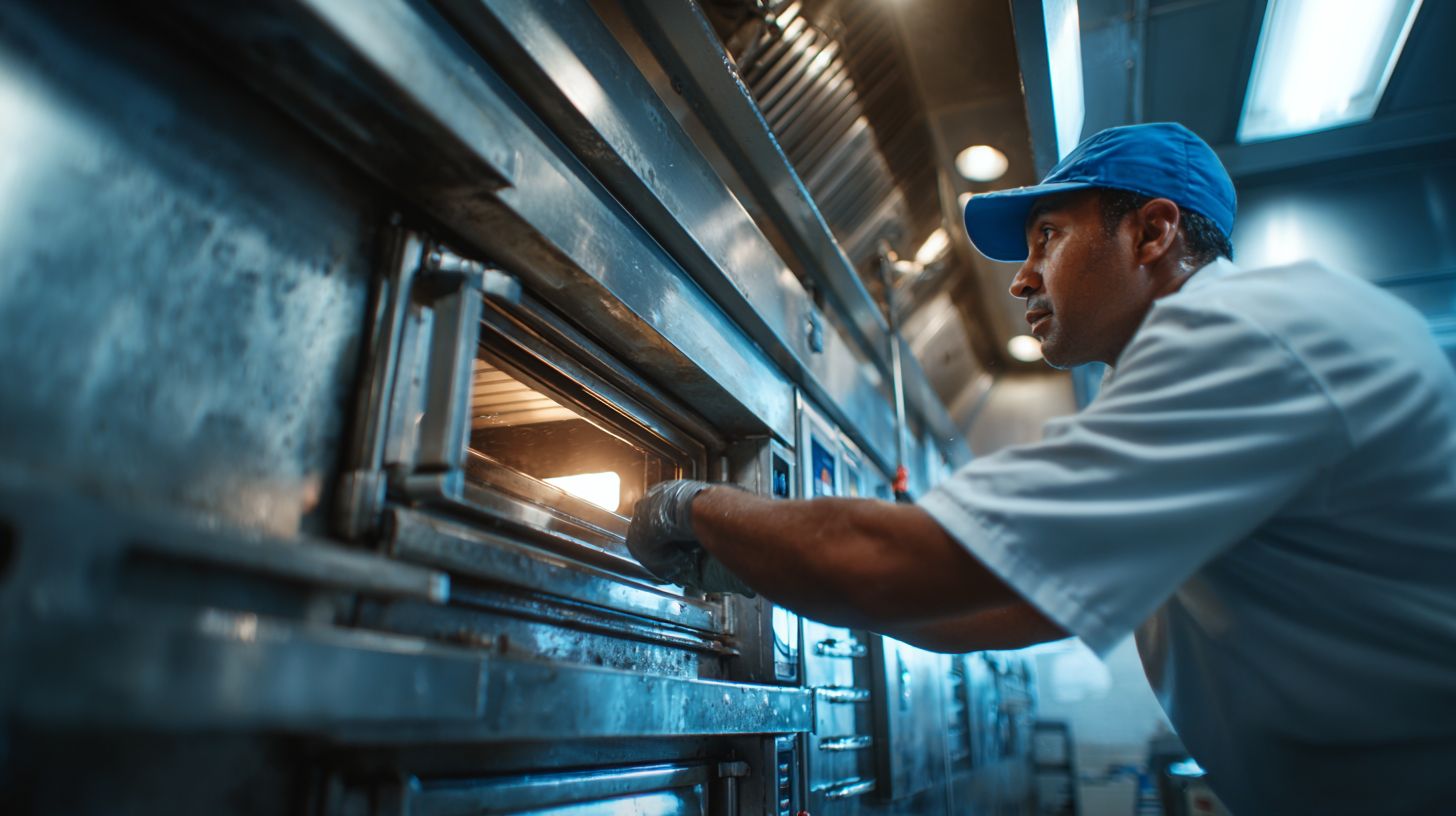


Commercial kitchens operate in high-pressure environments where cooking equipment runs continuously for hours every day. From frying and grilling to sautéing and baking, these cooking methods produce large amounts of heat, smoke, and grease-laden vapors. To control these contaminants and maintain a safe working environment, restaurants rely on kitchen exhaust systems.
A kitchen exhaust system includes the hood, grease filters, ductwork, and exhaust fan that work together to remove grease, smoke, and heat from the cooking area. When functioning properly, the system protects the kitchen from fire hazards, improves air quality, and helps maintain a comfortable working environment.
However, over time grease buildup accumulates inside the exhaust system. If this grease is not removed through regular cleaning, it can create serious safety risks and reduce the efficiency of the ventilation system. Many restaurant owners underestimate how quickly grease deposits can accumulate inside ducts and fans, especially in kitchens that cook high-grease foods.
Understanding how grease buildup impacts kitchen safety and operational efficiency is essential for restaurant owners and kitchen managers. This guide explains the dangers of grease accumulation, how it affects restaurant operations, and why regular kitchen vent hood cleaning is necessary for maintaining a safe commercial kitchen.
Grease buildup occurs when grease vapors produced during cooking travel through the kitchen hood system and stick to surfaces inside the ventilation system.
During cooking, grease particles rise into the hood and pass through grease filters designed to capture some of the grease before it enters the ducts. While filters capture a portion of grease particles, many smaller particles continue traveling through the ventilation system.
These particles eventually stick to:
Over time these particles accumulate into thick grease layers that become difficult to remove without professional cleaning.
The faster a kitchen produces grease vapors, the faster this buildup occurs.
Restaurants that frequently prepare foods using frying, grilling, or charbroiling methods typically experience faster grease accumulation. Without regular cleaning, grease layers inside the ventilation system can grow dangerously thick.
For restaurant operators who want to understand the full cleaning process and maintenance practices, this comprehensive guide for restaurants and commercial kitchens explains how proper hood maintenance supports safer kitchen operations.

Grease buildup may appear harmless at first, but it can quickly become one of the most serious hazards in a commercial kitchen.
Grease is highly combustible, meaning it can ignite easily when exposed to heat or open flames. Because cooking appliances operate at high temperatures, grease deposits inside the exhaust system are constantly exposed to heat.
If a small kitchen fire occurs on the cooking surface, flames can reach the grease deposits inside the hood or ducts. Once the grease ignites, the fire can spread rapidly throughout the ventilation system.
This type of fire is extremely dangerous because ventilation ducts act like tunnels that allow flames to travel through ceilings and walls.
Grease fires inside ventilation systems have caused many restaurant fires that resulted in major property damage. Many restaurants rely on routine kitchen hood cleaning for fire prevention to eliminate grease deposits before they become a fire hazard.
One of the most significant risks associated with grease buildup is the increased likelihood of a kitchen fire.
When grease accumulates inside the hood and duct system, it creates a fuel source that can ignite under high temperatures.
Several factors increase fire risk when grease buildup is present.
Commercial cooking equipment often operates at extremely high temperatures. These temperatures can cause grease deposits to become unstable and ignite.
Many restaurants use cooking methods that involve open flames, such as grilling and flambé cooking.
When flames flare up, they may reach grease deposits inside the hood system.
Grease buildup can block airflow inside the ventilation system. This causes heat to accumulate inside the hood and ducts, increasing the risk of ignition.
Once a grease fire starts inside the exhaust system, it can spread quickly through the building structure.
Regular cleaning significantly reduces these fire risks.
Kitchen exhaust systems are designed to remove smoke, heat, and grease from the kitchen environment. When grease accumulates inside the system, it restricts airflow and reduces ventilation efficiency.
Reduced airflow can cause several problems in the kitchen.
When ventilation systems cannot remove smoke effectively, it begins to accumulate in the cooking area.
This creates an uncomfortable working environment and may cause eye irritation or breathing discomfort for kitchen staff.
Proper ventilation removes excess heat from cooking appliances. When airflow is restricted, heat remains trapped inside the kitchen.
Higher temperatures make the kitchen uncomfortable and increase the risk of heat stress for employees.
Grease buildup inside ducts reduces the ability of the exhaust fan to pull contaminated air out of the kitchen.
This leads to poor air circulation and lingering odors.
Maintaining a clean exhaust system ensures efficient airflow and improves kitchen comfort.

Grease buildup inside the ventilation system also impacts energy efficiency.
When grease accumulates on duct surfaces and exhaust fan blades, the ventilation system must work harder to move air.
The exhaust fan must run at higher speeds to overcome airflow restrictions caused by grease deposits.
This increased workload leads to higher energy consumption.
Over time, the extra strain on ventilation equipment can also shorten the lifespan of system components.
Restaurant owners may notice higher electricity costs when ventilation systems become clogged with grease.
Regular cleaning restores proper airflow and allows the system to operate more efficiently.
Grease deposits inside ventilation systems do more than increase fire risks and energy consumption. They can also damage kitchen equipment.
When grease accumulates on exhaust fan blades, it adds extra weight and creates imbalance during operation.
This imbalance can lead to mechanical stress on the fan motor and other moving parts.
Over time, this stress can cause equipment failure.
Common problems caused by grease buildup include:
Replacing ventilation components can be expensive for restaurant owners.
Preventive maintenance and regular cleaning help avoid these costly repairs.
Grease buildup also affects kitchen hygiene and sanitation.
When grease accumulates inside ventilation systems, it can eventually drip or leak onto cooking equipment, countertops, or floors.
This creates unsanitary conditions that may violate health department regulations.
Grease residue can also attract pests such as rodents and insects.
In addition, poor ventilation allows smoke and grease particles to circulate inside the kitchen, affecting indoor air quality.
Employees exposed to poor air quality may experience headaches, breathing issues, or eye irritation.
Maintaining clean ventilation systems helps protect both staff health and restaurant cleanliness. In some cases, moisture and ventilation issues can even lead to mold growth, which is why some facilities also require mold remediation for restaurants when ventilation systems are neglected.

Restaurant owners should watch for warning signs that indicate grease buildup inside the ventilation system.
Common signs include:
These signs suggest that grease deposits inside the ventilation system may already be excessive.
Scheduling professional cleaning at this stage helps prevent further problems. Restaurants that operate in areas such as Katy TX, Spring TX, or The Woodlands TX often schedule routine hood cleaning to stay compliant with local fire safety regulations.
Cleaning schedules depend on cooking volume and grease production.
The NFPA 96 fire safety standard provides general cleaning guidelines for commercial kitchens.
Kitchen Type | Recommended Cleaning Frequency |
High-volume cooking operations | Monthly |
Moderate-volume restaurants | Quarterly |
Low-volume kitchens | Semi-annually |
Seasonal cooking operations | Annually |
Restaurants that use heavy grease cooking methods often require more frequent cleaning.
Kitchen managers should monitor grease accumulation and adjust cleaning schedules accordingly. Businesses looking for professional kitchen hood cleaning for commercial kitchens often follow these NFPA guidelines to ensure proper maintenance.
Preventing grease buildup provides several long-term advantages for restaurant operations.
Removing grease deposits greatly lowers the chance of fires spreading through the ventilation system.
Clean ducts and fans allow air to flow freely, improving smoke and heat removal.
Efficient airflow reduces the workload on ventilation equipment and lowers electricity usage.
Preventive maintenance helps ventilation equipment last longer and reduces repair costs.
Regular cleaning ensures restaurants meet fire safety and health inspection requirements.
Professional kitchen hood cleaning services are essential for removing grease deposits deep inside ventilation systems.
While kitchen staff can clean visible surfaces, professional technicians use specialized equipment to clean areas that are difficult to reach.
Professional cleaning typically includes:
Technicians also provide documentation confirming that the system has been cleaned according to safety standards. This documentation is often required during fire inspections.
Grease buildup inside kitchen exhaust systems is one of the most serious safety risks in commercial kitchens. Without regular cleaning, grease deposits can increase fire hazards, reduce ventilation efficiency, and damage expensive equipment.
Restaurant owners who understand the dangers of grease accumulation can take proactive steps to maintain safe and efficient kitchen operations.
Regular kitchen hood cleaning removes grease buildup, improves air quality, and ensures that ventilation systems operate properly.
By investing in proper maintenance and professional cleaning services, restaurants can protect their staff, equipment, and property while maintaining a safer and more productive kitchen environment.
Grease buildup occurs when cooking vapors containing oils and fats rise into the ventilation system. As the vapors cool, grease particles condense and stick to hood surfaces, ducts, and exhaust fans, gradually forming thick deposits over time.
Grease deposits inside exhaust ducts are highly flammable. If a flare-up occurs on cooking equipment, the fire can ignite grease inside the ventilation system and spread rapidly through ductwork and into other parts of the building.
Yes. Grease accumulation restricts airflow in the exhaust system, making it harder for the hood to remove smoke, heat, and cooking vapors. Poor ventilation can lead to hotter kitchens, lingering odors, and reduced comfort for staff.
A dirty exhaust system can force fans and ventilation equipment to work harder, increasing energy use and maintenance costs. Over time, this strain may lead to equipment failures, higher utility bills, and disruptions to kitchen operations.
Grease can accumulate throughout the entire ventilation system, including the hood canopy, grease filters, plenum area, ductwork, and rooftop exhaust fan. All these components must be inspected and cleaned regularly to maintain safe operation.
Cleaning frequency depends on cooking volume. Solid-fuel cooking systems may require monthly cleaning, high-volume restaurants typically need quarterly cleaning, moderate-volume kitchens every six months, and low-volume kitchens annually.
Regular cleaning restores proper airflow, improves ventilation performance, and helps kitchen equipment operate more efficiently. A clean exhaust system also improves air quality and creates a safer, more comfortable working environment.