


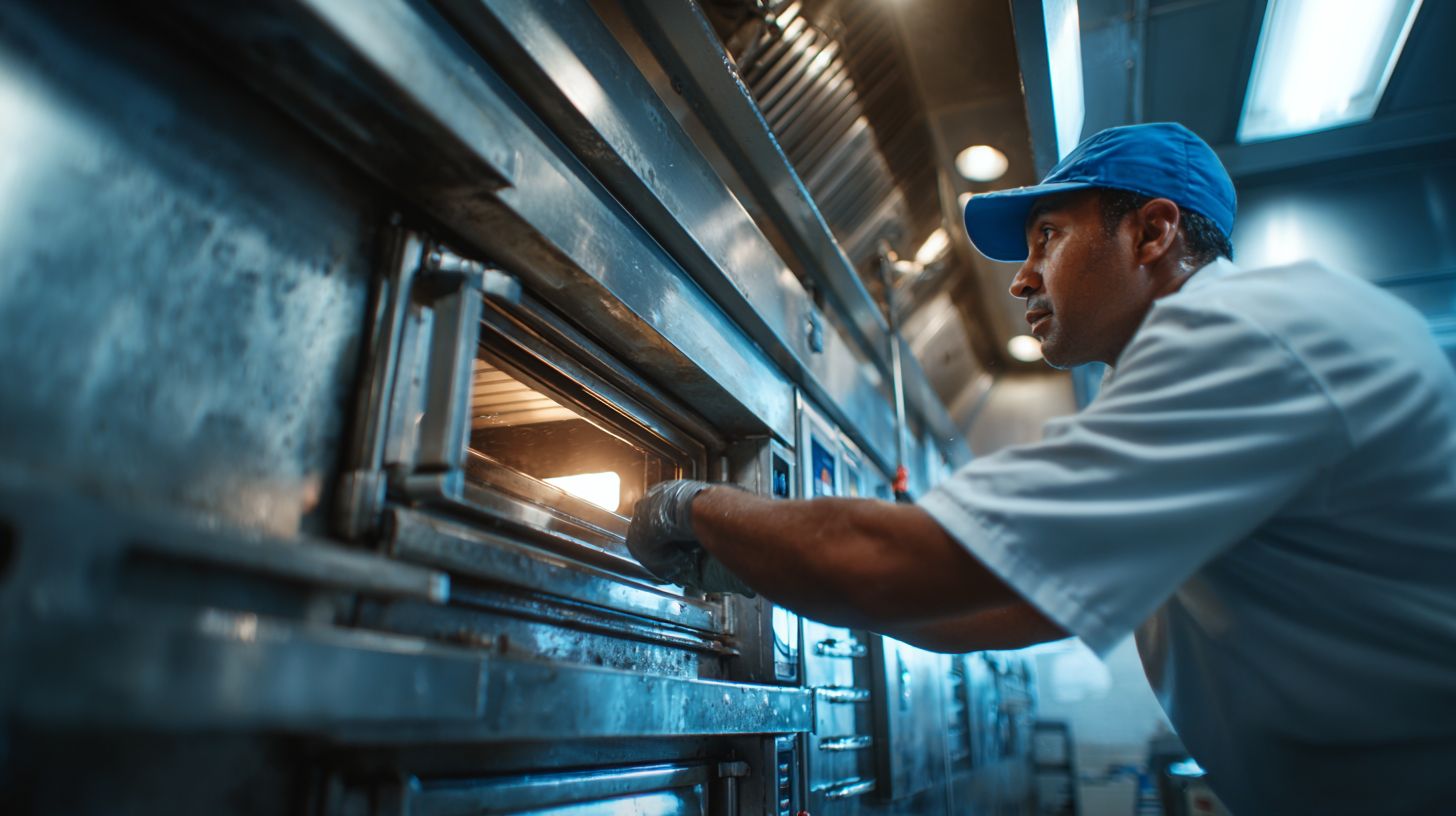


Most kitchens don’t notice change all at once. Instead, the environment shifts slowly. What once felt manageable and steady can gradually become warmer, heavier, and slightly more difficult to work in. These changes are rarely sudden, which is why they are often overlooked.
Behind these subtle shifts is a system that operates quietly above the cooking line. It does not demand attention, but it plays a constant role in how the kitchen feels throughout the day. This is where hood cleaning in Houston, TX becomes part of a much larger picture.
It is not simply about removing buildup. It is about maintaining balance in an environment that is constantly changing. For a broader understanding of how this impacts safety and efficiency, this resource on kitchen hood cleaning and its role in commercial kitchens offers additional insight.
A working kitchen is never static. From the moment equipment is turned on, the space begins to shift.
As the day progresses, these changes build on each other. The longer the kitchen operates, the more noticeable the environment becomes.
What feels comfortable in the morning can feel completely different during peak service.
The difference between a calm kitchen and a busy one is not just the number of orders. It is also how the environment responds to increased demand.
These shifts happen every day, and the hood system plays a role in each stage.

A kitchen that feels “right” usually has balanced airflow and controlled heat.
When everything is working well:
When conditions begin to shift:
These changes are not always obvious at first. They develop gradually.
Every cooking process releases particles into the air. These particles travel upward and enter the hood system.
Over time:
This process is continuous. It does not stop, even during short breaks in operation.
The longer the kitchen operates without consistent maintenance, the more these layers build.
This is why many kitchens also look at broader upkeep practices, similar to how facility repair services address underlying system performance beyond surface-level issues.
Different kitchens experience changes at different rates depending on how they operate.
Kitchen Activity Type | Daily Usage Pattern | Environmental Impact Over Time |
High volume kitchens | Continuous cooking | Faster buildup and noticeable airflow changes |
Peak-hour kitchens | Busy during specific times | Uneven airflow and shifting conditions |
Moderate kitchens | Balanced daily use | Gradual and steady changes |
Low activity kitchens | Occasional use | Slow buildup with minimal immediate impact |
Understanding this relationship helps explain why some kitchens feel changes sooner than others.

One of the biggest challenges with hood systems is that most changes happen out of sight.
Before anything becomes visible:
Because there are no obvious visual signs, these changes are often ignored.
Staff may notice the feeling, but not the cause. In many cases, these gradual changes reflect patterns discussed in why kitchen hood cleaning matters more than most kitchens realize, where long-term effects become clearer.
Kitchen staff often notice subtle changes before anyone else.
Not in technical terms, but in how the space feels.
These observations are often early indicators of internal changes.
During slower periods, minor inefficiencies may not be noticeable.
But during peak service:
This is when the system is under the most pressure.
Even slight restrictions in airflow can affect how the entire space feels.
Heat and airflow are closely connected.
When airflow is strong:
When airflow is reduced:
This relationship is one of the key reasons hood systems require ongoing attention, especially in high-demand environments like those described in Commercial Facility Maintenance Services in Houston, TX.

Every day, the same cycle repeats.
Individually, these changes are small. But over time, they accumulate.
The longer this cycle continues, the more noticeable the impact becomes. In systems designed for continuous cooking, such as kitchen hood cleaning setups, this accumulation happens more consistently.
The way a kitchen approaches hood cleaning can influence long-term conditions.
Maintenance Approach | Short-Term Result | Long-Term Effect on Kitchen |
Consistent routine | Stable airflow and temperature | Balanced and predictable environment |
Occasional cleaning | Temporary improvement | Recurring changes and uneven conditions |
Reactive approach | Fix after noticeable issues | Increased strain and reduced efficiency |
Consistency helps prevent conditions from shifting too far in one direction.
One of the most interesting things about kitchen environments is how people adapt.
When conditions change:
Because these adjustments happen naturally, the underlying cause may not be recognized.
The kitchen continues to function, even though conditions have changed.
Environmental balance plays a role in how smoothly a kitchen operates.
When conditions are stable:
When conditions shift:
These changes may not stop operations, but they affect efficiency.

Instead of viewing hood cleaning as a separate task, it helps to see it as part of maintaining balance.
It supports:
It is not just about removing buildup. It is about keeping the environment consistent.
Consistency does not always produce dramatic results. Instead, it creates stability.
Over time, this consistency becomes noticeable in how the kitchen operates.
Without regular attention:
These changes develop slowly, but they continue to grow.Hood cleaning is not always something that stands out. It works quietly in the background, influencing how the kitchen feels day after day.
The difference it makes is not sudden or dramatic. It is steady.
And in a fast-paced kitchen, that steady balance is what helps everything run smoothly.
Over time, consistent hood cleaning helps maintain:
These benefits are not immediate, but they build gradually.
1. How does hood cleaning affect daily kitchen operations?
Hood cleaning improves airflow, reduces heat buildup, and keeps the kitchen environment more comfortable, allowing staff to work efficiently throughout the day.
2. What problems can dirty kitchen hoods cause?
Dirty hoods can lead to poor ventilation, excessive smoke, unpleasant odors, overheating, and increased fire risk due to grease buildup.
3. How often should a commercial kitchen hood be cleaned?
Most kitchens require cleaning every 1 to 3 months, depending on cooking volume, grease output, and local safety regulations.
4. Does regular hood cleaning improve staff productivity?
Yes, a cleaner and cooler kitchen environment helps staff stay focused, reduces fatigue, and supports smoother workflow during busy hours.
5. Can hood cleaning extend the life of kitchen equipment?
Proper cleaning reduces strain on ventilation systems and cooking equipment, helping them run more efficiently and last longer.
6. Is hood cleaning necessary even for small kitchens?
Yes, even small kitchens accumulate grease and require regular cleaning to maintain safety, air quality, and compliance with regulations.