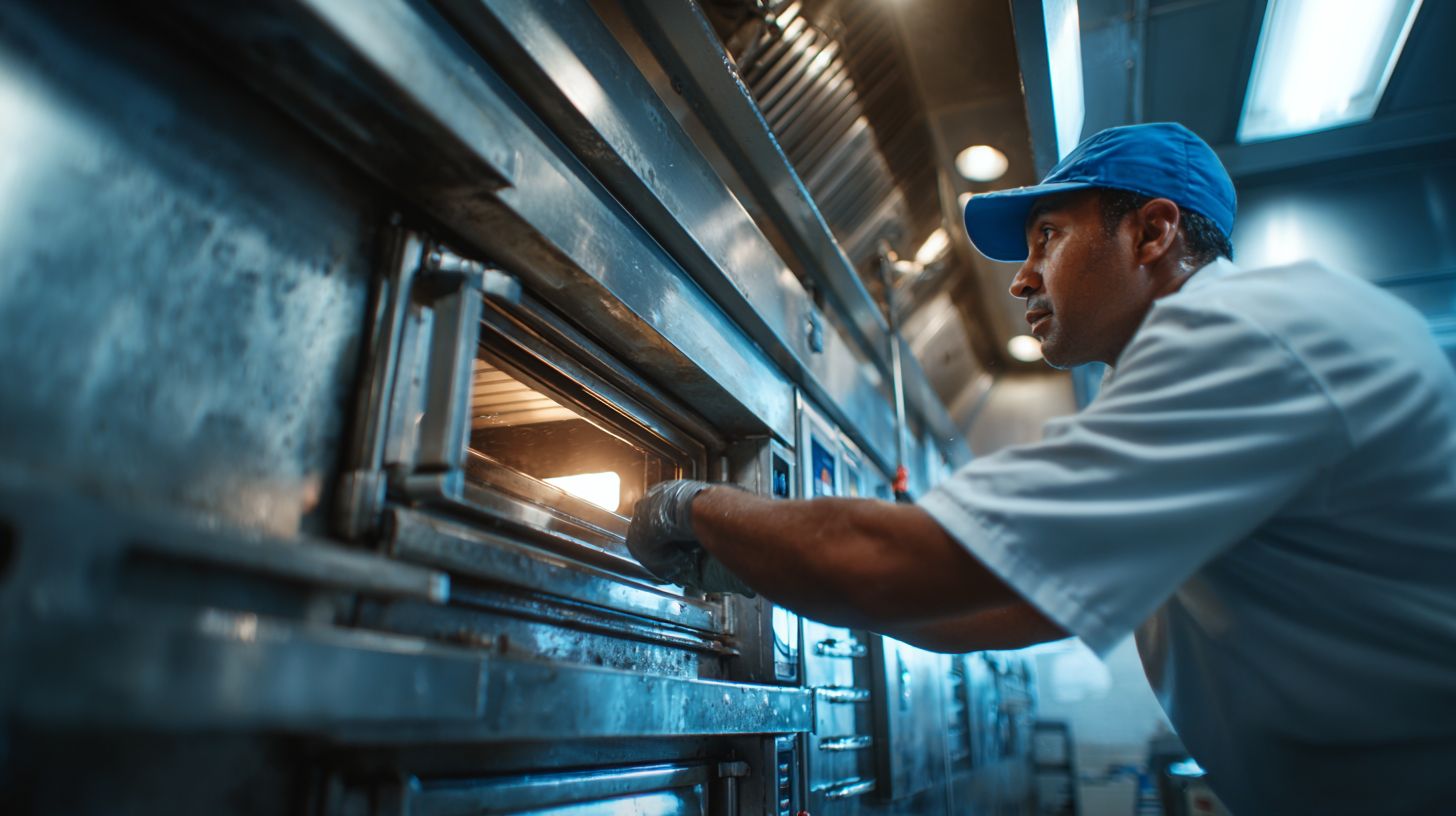
The Importance of Kitchen Ventilation in Air Quality
Airborne Pollutants in Commercial Kitchens
Health Effects of Poor Air Quality in Commercial Kitchens
Best Practices for Kitchen Ventilation Maintenance
Regular maintenance is crucial to the efficient operation of your kitchen ventilation system. The following are some useful pointers for preserving the quality of the air in your industrial kitchen:
- Frequent Examinations: To find any possible problems early on, schedule periodic checks for your kitchen exhaust system. Seek for any indications of leaks or grease accumulation and take quick action.
- Comprehensive Cleaning: Establish a ventilation system cleaning routine. The buildup of grease in vents and range hoods can cause fire dangers and lower air quality. Using effective grease remover products can aid in keeping your exhaust system clean and functioning properly.
- Filter Maintenance: Regularly check and replace filters as needed. Filters capture contaminants, and their effectiveness diminishes over time. Clean filters will help ensure optimal airflow and air quality.
- Follow Standards: Adhere to commercial kitchen ventilation standards set by local and national regulations. Compliance not only ensures safety but also contributes to better overall kitchen air quality.
Ensuring Compliance with Ventilation Standards
Understanding and adhering to commercial kitchen ventilation standards is crucial for maintaining a safe environment. It is crucial to verify that your system fulfills the minimum airflow rates required by regulatory requirements for different cooking situations, since this is key to optimal ventilation. Kitchen ventilation system maintenance and inspections are frequently mandated by compliance rules. Creating a thorough maintenance schedule will support maintaining safety and compliance. An important factor in lowering the possibility of cooking-related fire dangers is proper ventilation. Any business kitchen must abide by fire safety rules, which include routine cleaning and maintenance.
The significance of kitchen ventilation in maintaining indoor air quality cannot be overlooked. A well-functioning commercial kitchen ventilation system is vital for removing airborne pollutants and minimizing the health effects of poor air quality. Regular ventilation system maintenance and adherence to commercial kitchen ventilation standards are essential for ensuring a safe and healthy working environment.
For restaurant owners looking to enhance their kitchen’s air quality, ProTech Facility Services offers expert services to optimize your kitchen ventilation systems. With over 35 years of experience, our team is committed to helping you maintain a safe and efficient kitchen environment. Contact us today for a consultation, and let us help you ensure that your kitchen is compliant with all relevant standards, safeguarding the health of your staff and patrons. Prioritize air quality and efficiency with ProTech Facility Services, your trusted partner in commercial kitchen maintenance.