


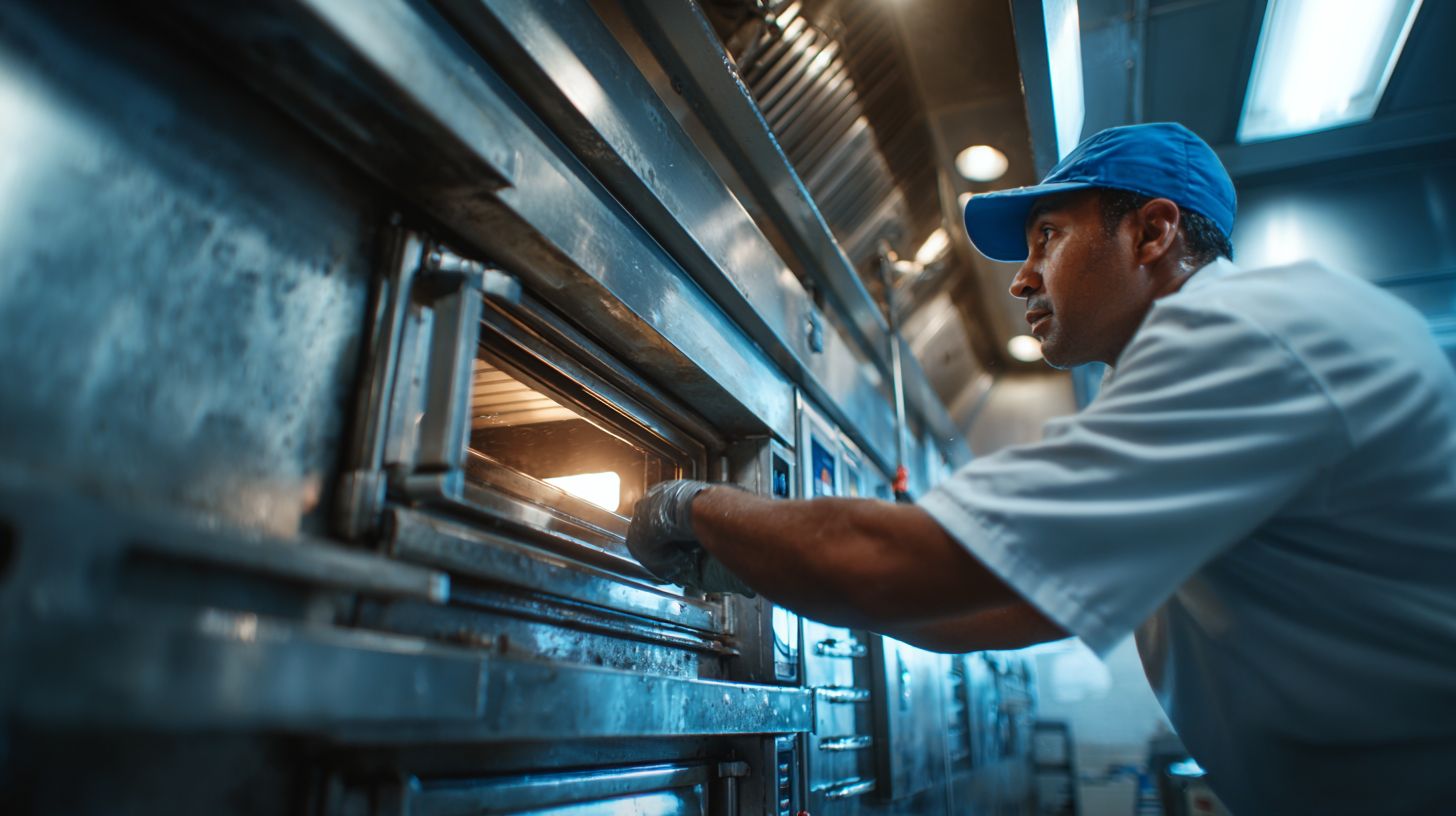


Cleaning a restaurant hood is not just a routine task that happens occasionally. In a real kitchen environment, it is part of an ongoing process that supports how the entire space functions. From the moment cooking begins, the hood system starts collecting heat, smoke, and airborne grease. Over time, these elements settle into different parts of the system, creating layers that are not always visible but are always present.
Understanding how hood cleaning works in a restaurant setting is less about memorizing steps and more about recognizing how the system behaves. When you know how buildup forms and where it collects, the cleaning process becomes more practical and easier to manage.
Before starting any cleaning process, it helps to understand what you are actually working with. A restaurant hood system is not just one surface. It is a combination of parts that all play a role in moving air.
These include:
Each of these areas collects buildup differently. This is why cleaning needs to be approached in sections rather than all at once.
In a home kitchen, cooking happens in short bursts. In a restaurant, it is continuous. Equipment runs for hours, sometimes without long breaks. This creates a steady stream of airborne particles.
These particles:
Because this process happens repeatedly, buildup develops faster in restaurant kitchens than in residential ones. This makes hood cleaning more important and more frequent.

Before any cleaning begins, preparation is necessary. Skipping this step can make the process harder and less effective.
Preparation includes:
This step sets the stage for a smoother process and helps prevent unnecessary mess.
The outer hood surface is where visible grease collects. While this is not where most buildup occurs, it is still important to clean it regularly.
Start by:
This helps remove surface grease and prevents it from spreading to nearby areas.
Filters are one of the most important parts of the system. They capture a large portion of airborne grease before it moves deeper into the hood.
To clean filters:
Clean filters help maintain airflow and reduce the amount of buildup inside the system.
Most of the buildup in a hood system is not visible. It exists inside the ductwork where air travels.
Cleaning this area involves:
This step is essential because it directly affects how air moves through the kitchen.

The exhaust fan plays a key role in removing air from the system. If buildup reaches this area, performance can be affected.
Cleaning around the fan helps:
Each part of the cleaning process connects to how the kitchen feels.
Cleaning Area | What It Affects | Result in the Kitchen |
Hood surface | Visible grease | Cleaner appearance |
Filters | Air intake | Improved airflow |
Ductwork | Air pathways | Balanced environment |
Exhaust fan | Air removal | Faster heat and smoke clearing |
When all areas are cleaned together, the system works as intended.
Cleaning does not only happen during scheduled maintenance. Daily habits play a role in reducing buildup.
Examples include:
These habits help slow down the buildup process.
Before visible signs appear, there are subtle indicators that the system is changing.
You may notice:
These signs suggest that deeper cleaning may be needed.
Airflow is one of the most important parts of a kitchen environment.
When airflow is strong:
When buildup increases:
This change happens gradually.

Cleaning frequency depends on how active the kitchen is.
Kitchen Activity Level | Cleaning Frequency | Impact on System |
Continuous cooking | Monthly or more | Prevents heavy buildup |
Regular daily use | Every few months | Maintains steady airflow |
Occasional use | Less frequent | Slower buildup |
Consistency is more effective than waiting for visible signs.
Every kitchen operates differently, which affects how often cleaning is required.
Understanding your kitchen’s activity level helps determine the right cleaning schedule.
Even without directly cleaning the system, staff play a role.
They can:
These small actions help maintain consistency.
When cleaning is delayed:
These effects do not happen immediately, but they build over time.
Keeping the process simple makes it easier to stay consistent.
A structured approach prevents the process from becoming overwhelming.

Hood cleaning is directly connected to how the kitchen operates.
When the system is maintained:
When it is not:
Consistency creates stability in the kitchen.
Over time, regular hood cleaning helps:
These benefits develop gradually but have a lasting impact.
Learning how to clean a restaurant hood is not just about following steps. It is about understanding how the system works and how it changes over time.
Hood cleaning supports more than just cleanliness. It supports how the kitchen feels, how air moves, and how manageable daily operations are.
The results are not always immediate, but they build steadily. And in a busy kitchen, that steady improvement is what helps everything run more smoothly.
Instead of thinking of hood cleaning as a one-time task, it helps to see it as part of an ongoing process.
It is connected to:
This perspective makes it easier to maintain consistency.
The cleaning frequency depends on kitchen usage. High-volume restaurants may require monthly cleaning, while moderate-use kitchens can be cleaned quarterly. Low-volume operations may only need semi-annual service.
The proper method includes turning off power, removing and soaking filters, scraping grease buildup, applying a commercial degreaser, rinsing thoroughly, and cleaning ducts and exhaust fans before reassembly.
Staff can handle basic surface cleaning and filter maintenance. However, deep cleaning of ducts and exhaust systems should be performed by certified professionals to ensure safety and compliance.
Regular cleaning removes grease buildup, reduces fire hazards, improves air quality, and ensures compliance with health and safety regulations.
Common tools include degreasers, scrapers, brushes, pressure washers, microfiber cloths, and protective equipment like gloves and goggles.
Yes, grease accumulates throughout the entire exhaust system, including ducts and fans. Ignoring these areas can increase fire risk and reduce ventilation efficiency.
A standard hood cleaning can take anywhere from 2 to 4 hours, depending on the size of the kitchen and the level of grease buildup.
Failure to clean the hood can lead to grease fires, poor air quality, equipment damage, and possible fines or closure due to health code violations.