


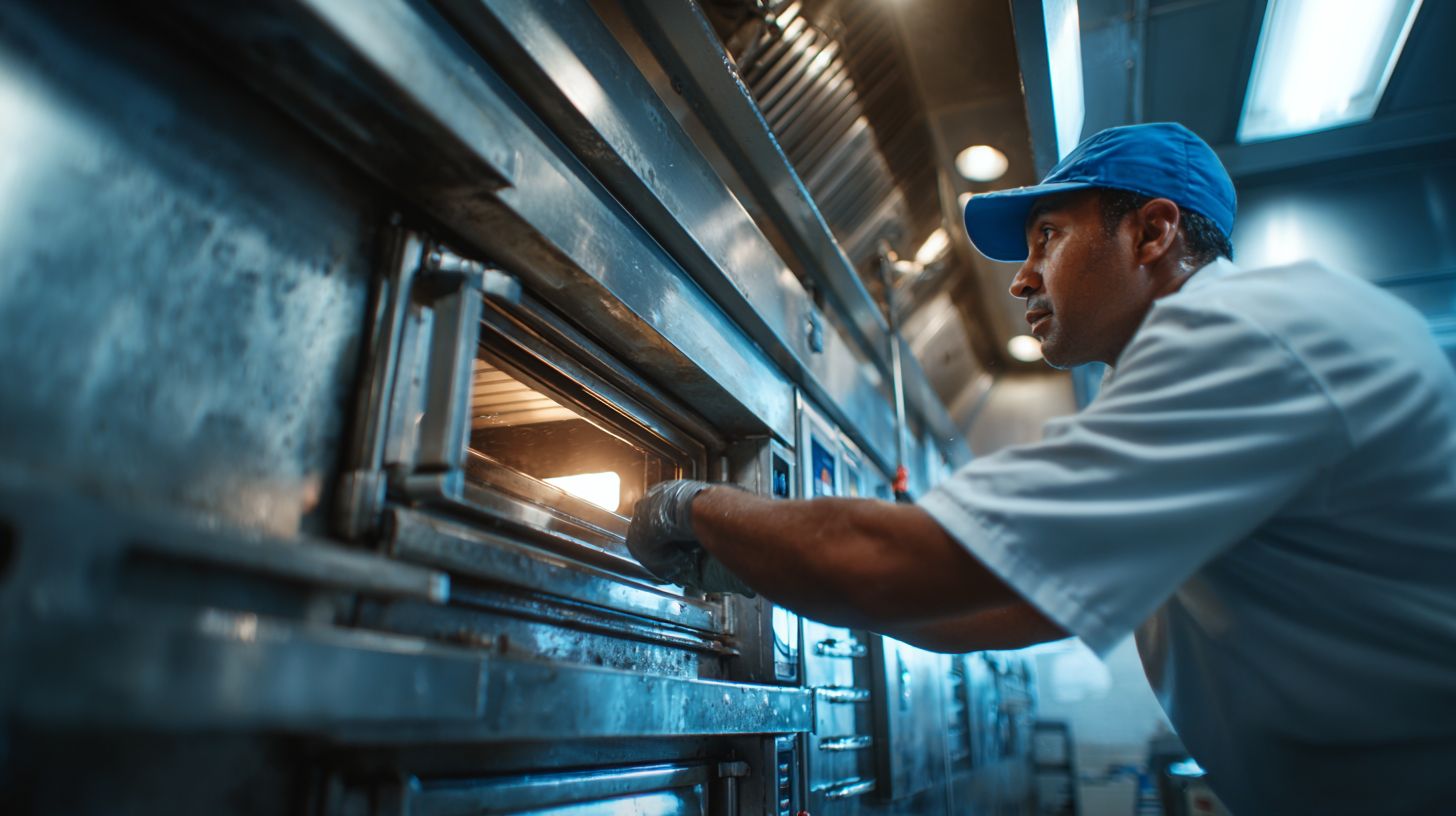


In every commercial kitchen, safety, cleanliness, and efficiency are the keys to smooth operations. As food production increases, so does the amount of heat, smoke, grease, and airborne particles that are generated. This is where a properly maintained kitchen hood system plays a vital role in safeguarding the kitchen environment. If not cleaned regularly, the kitchen hood system can become a serious fire hazard, and it can also impact the overall efficiency of your kitchen.
Commercial kitchens, whether in restaurants, hotels, or catering services, depend heavily on kitchen ventilation systems to remove harmful contaminants produced during cooking. However, over time, grease, smoke, and other residues accumulate inside the system, clogging filters, ducts, and fans. This not only reduces the system’s efficiency but also creates safety risks, including fire hazards.
In this guide, we will explore why kitchen hood cleaning is essential, how the process works, common signs that indicate cleaning is necessary, the cleaning frequency based on kitchen operation types, and the benefits of maintaining a regularly cleaned kitchen hood. We will also delve into how the cleaning process works, the importance of professional cleaning services, and how to ensure your kitchen remains safe and compliant with local fire and health regulations.
A kitchen hood system is a critical component of a commercial kitchen’s ventilation system. It is designed to capture grease-laden vapors, smoke, steam, heat, and airborne grease particles produced during cooking and safely expel them outside the kitchen. This system helps maintain air quality, reduce heat, and eliminate grease that could pose a fire risk.
The system typically includes:
Each component must work together to effectively remove contaminants. However, over time, grease and food particles accumulate inside the ducts, filters, and exhaust fans, reducing airflow and efficiency. If this buildup is not removed through regular cleaning, it can lead to dangerous consequences such as fire hazards, poor air quality, and higher energy consumption.

The primary reason for kitchen hood cleaning is fire prevention. Grease is highly flammable, and when it accumulates in the kitchen hood and exhaust system, it poses a serious fire hazard. If a small fire starts in the cooking area, the flames can quickly spread through the grease-filled ventilation system, causing extensive damage to the kitchen, equipment, and possibly the entire building.
A fire in the exhaust system is one of the most dangerous types of fires because it can spread rapidly throughout the ducts, walls, and ceilings of a building. According to the National Fire Protection Association (NFPA), cooking equipment, including kitchen hoods and exhaust systems, are leading causes of commercial kitchen fires. This is why NFPA 96 regulations require regular cleaning of kitchen hoods and exhaust systems to minimize the risk of fires.
The kitchen hood system’s primary role is to remove heat, smoke, and grease particles from the kitchen. When grease accumulates inside the ducts, filters, and fan blades, it clogs the system, reducing airflow and making it harder for the system to remove these harmful contaminants. This leads to poor air quality, uncomfortable working conditions, and increased kitchen temperatures.
A clean hood system ensures that air flows freely through the system, effectively removing smoke and heat. This is important not only for employee comfort but also for maintaining a clean and healthy kitchen environment. Poor ventilation can cause grease and smoke to linger in the air, making the kitchen uncomfortable for staff and possibly creating hazardous conditions.
When grease and debris accumulate inside the kitchen hood system, the exhaust fan has to work harder to maintain proper airflow. This increased strain on the fan results in higher energy consumption. As the fan works harder, it also generates more heat, which can further increase the workload on the system.
Regular kitchen hood cleaning ensures that the system operates efficiently, reducing energy costs and lowering electricity consumption. A system that runs smoothly consumes less power and helps reduce overall operational costs for the restaurant.
Before any cleaning process begins, the first priority is safety. All cooking equipment should be turned off and disconnected from its power supply to ensure that there is no risk of electrical accidents during the cleaning process. The area surrounding the kitchen hood is protected with plastic sheets or drop cloths to prevent the cleaning chemicals from contaminating other kitchen surfaces.
The grease filters are typically the first component to be cleaned. These filters trap grease particles before they enter the ductwork. Over time, these filters can become heavily clogged with grease, making it harder for the ventilation system to function.
To clean the filters, technicians typically soak them in a degreasing solution to loosen the grease buildup. After soaking, the filters are scrubbed with specialized brushes to ensure that all grease and debris are removed. Once cleaned, the filters are thoroughly rinsed and dried before being reinstalled in the system.
After the filters are cleaned, the next step is to degrease the interior surfaces of the hood and ducts. Technicians apply a specialized degreaser to the surfaces inside the hood and ductwork. The degreaser helps break down the grease buildup, making it easier to remove.
High-pressure washers or steam-cleaning equipment are used to remove stubborn grease that is difficult to scrub off. This process ensures that grease buildup is completely removed from all components of the kitchen hood system, including the often-overlooked ducts and fan blades.
The exhaust fan is an essential part of the kitchen hood system. It helps draw contaminated air through the system and expel it outside. Over time, grease can accumulate on the fan blades and motor, reducing the fan’s efficiency. To restore proper airflow, technicians thoroughly clean the fan blades and motor components.
This step helps improve the fan’s performance and ensures that it continues to work effectively. If the fan is not cleaned properly, it can result in reduced airflow, increased energy consumption, and ultimately, mechanical failure.
After the entire cleaning process is completed, technicians perform a thorough inspection to ensure that no grease remains in the system. They check the functionality of the exhaust fan and the overall performance of the ventilation system. Once the inspection is complete and everything is in working order, the kitchen hood system is reassembled. The grease filters are replaced, and the system is powered on to ensure that it is operating at full capacity.
For restaurants and commercial kitchens in the area, professional services such as Commercial Facility Maintenance Services in Katy, TX can help ensure that your kitchen hood remains well-maintained and compliant with safety regulations, preventing any future issues with grease buildup or system inefficiencies.

Even with a regular cleaning schedule, there are times when your kitchen hood system may need immediate attention. If you notice any of the following signs, it’s important to schedule a professional cleaning as soon as possible:
Sign | What It Indicates |
Visible Grease Buildup | The system is heavily clogged, and grease has accumulated in visible areas such as filters, ducts, or the hood canopy. |
Lingering Cooking Odors | When cooking odors linger in the kitchen or dining area, it means the ventilation system is not removing grease and smoke efficiently. |
Smoke Accumulation | If smoke accumulates in the kitchen during cooking, the ventilation system is not functioning properly, likely due to grease buildup. |
Loud or Struggling Exhaust Fans | The exhaust fan is working harder than usual, which indicates that the system is clogged with grease. |
Grease Dripping from the Hood | Grease is leaking from the ducts or filters, which suggests an urgent need for cleaning. |
Regular kitchen hood cleaning provides several important benefits for commercial kitchens:
By removing grease buildup, regular kitchen hood cleaning helps prevent grease fires from spreading through the ventilation system. Fire safety is the top priority, and routine cleaning ensures compliance with fire safety regulations.
A clean kitchen hood system helps restore proper airflow, efficiently removing smoke, heat, and grease from the air. This improves the working environment for staff and ensures that kitchen operations run smoothly.
Proper ventilation improves air quality by removing grease vapors and smoke. This is especially important in busy commercial kitchens where the air can become contaminated quickly.
A clean ventilation system consumes less energy. By improving airflow, the system operates more efficiently, reducing the strain on exhaust fans and lowering energy costs.
Regular cleaning helps extend the lifespan of the kitchen hood system. When grease buildup is removed, the components of the system experience less strain, resulting in fewer breakdowns and lower repair costs.
For commercial kitchens in the area, ensuring your system is properly maintained can be made easy with Commercial Facility Maintenance Services in The Woodlands, TX. These services help maintain the efficiency and safety of your kitchen’s ventilation system, preventing potential issues and ensuring long-term performance.
The frequency of kitchen hood cleaning varies depending on the type of kitchen operation, the cooking methods used, and the amount of food prepared. The NFPA 96 guidelines recommend the following cleaning intervals for different kitchen operations:
Type of Kitchen Operation | Recommended Cleaning Frequency |
High-volume kitchens (e.g., fast food) | Monthly |
Moderate-volume kitchens (e.g., sit-down restaurants) | Quarterly |
Low-volume kitchens (e.g., cafes) | Semi-annually |
Seasonal cooking operations | Annually |
Maintaining a clean kitchen hood system is essential for fire prevention, improved ventilation, and overall kitchen efficiency. Regular professional cleaning ensures that the kitchen hood operates efficiently and safely, protecting your staff, kitchen, and business. It’s important to follow NFPA 96 guidelines, address visible signs of grease buildup promptly, and schedule routine cleaning based on the volume of cooking.
By investing in regular kitchen hood cleaning, commercial kitchen owners and operators can ensure compliance with safety regulations and maintain a healthier, safer working environment for all.
Best practices for kitchen hood cleaning include scheduling routine professional cleaning, removing grease filters for regular washing, inspecting ductwork and exhaust fans, and ensuring the entire exhaust system is free of grease buildup. Following cleaning guidelines outlined in NFPA 96 helps restaurants maintain a safe and compliant kitchen environment.
The cleaning frequency depends on cooking volume. High-volume restaurants typically require monthly cleaning, moderate-volume kitchens every three months, and low-volume operations every six months. These schedules align with recommendations from the National Fire Protection Association for maintaining fire safety.
Regular kitchen hood cleaning removes flammable grease buildup that can ignite and cause kitchen fires. Keeping the exhaust system clean also improves airflow, reduces smoke accumulation, and helps restaurants meet fire safety regulations.
A complete hood cleaning service includes the hood canopy, grease filters, ductwork, and the exhaust fan. Cleaning all components ensures grease does not accumulate in hidden areas that could pose fire hazards or restrict ventilation.
Kitchen staff can perform basic maintenance such as cleaning removable grease filters and wiping visible surfaces. However, deep cleaning of the hood, ductwork, and exhaust fan should be performed by trained professionals to ensure the entire system is properly cleaned.
Common warning signs include visible grease buildup, strong grease odors, smoke lingering in the kitchen, grease dripping from the hood, and reduced airflow from the exhaust system. These signs indicate the hood system may require immediate professional cleaning.