


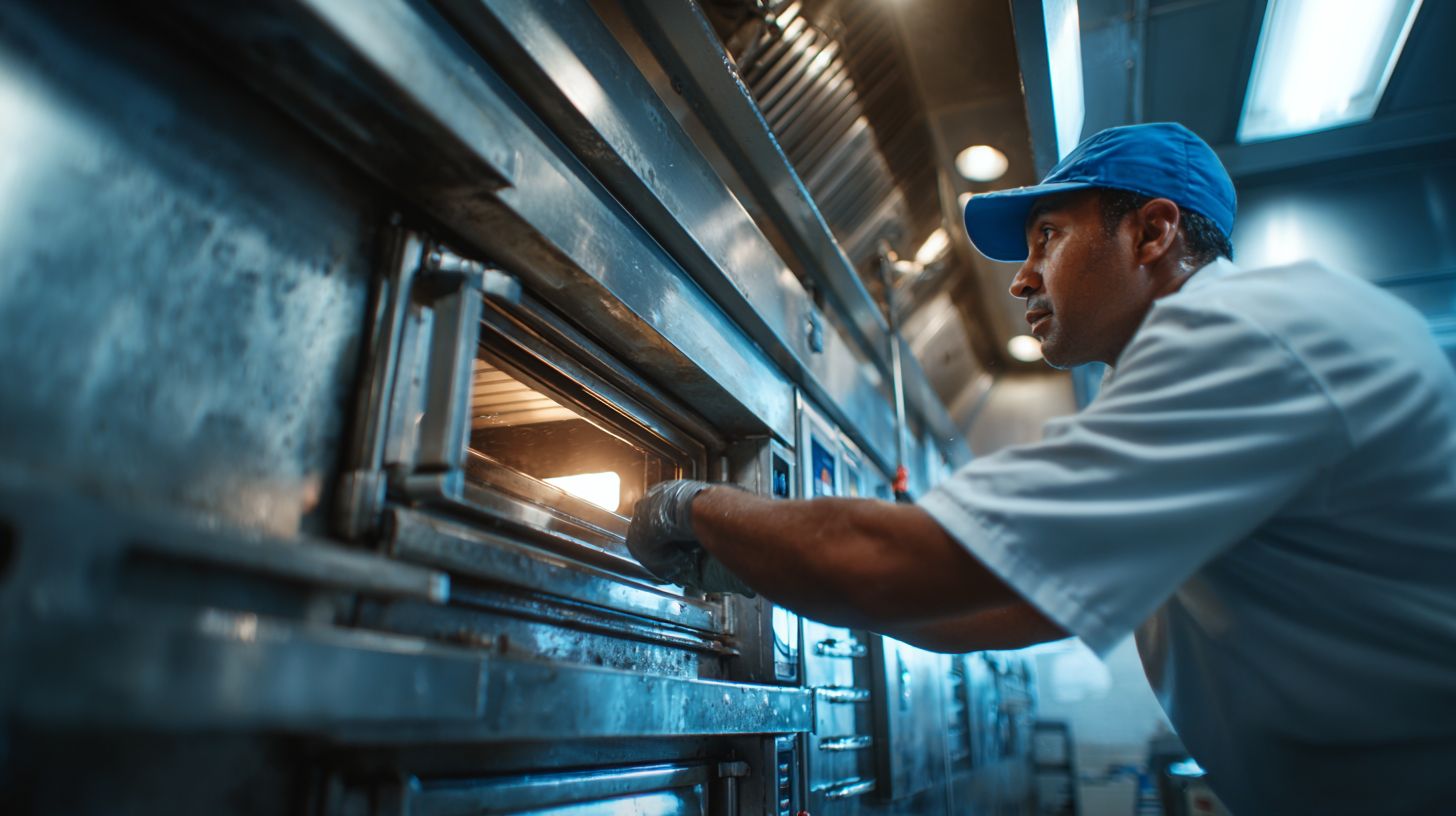


Kitchen hood cleaning plays a vital role in maintaining the safety, cleanliness, and efficiency of commercial kitchens. Restaurants, hotels, cafeterias, and food service facilities depend heavily on their kitchen ventilation systems to remove smoke, grease, heat, and cooking odors from the air. Without proper maintenance, these systems can quickly become clogged with grease buildup, creating serious fire hazards and reducing the performance of kitchen equipment.
For restaurant owners and facility managers, maintaining a clean kitchen hood system is not just a matter of appearance—it is a critical safety requirement. Regular kitchen hood cleaning helps prevent grease fires, improves air circulation, and ensures compliance with local fire safety regulations. In busy commercial kitchens where cooking equipment runs for hours each day, grease and smoke accumulate rapidly inside the hood, filters, ductwork, and exhaust fans.
When these systems are not cleaned regularly, the accumulated grease becomes highly flammable. Even a small flare-up from cooking equipment can ignite grease deposits and spread flames through the ventilation system. Because of these risks, proper hood maintenance is considered one of the most important responsibilities in commercial kitchen management.
This guide explores why kitchen hood cleaning is essential, the components involved in the cleaning process, and how restaurant operators can maintain a safer and more efficient kitchen environment.
Kitchen hood systems are designed to remove airborne contaminants produced during cooking. When food is prepared using methods such as frying, grilling, or sautéing, grease particles and smoke rise into the air. The hood captures these contaminants and directs them through filters and ducts before releasing them outside the building.
A typical commercial kitchen hood system includes several components that work together to maintain ventilation.
These components include:
Each part of the system plays an important role in removing grease and smoke from the kitchen environment. However, as grease vapors travel through these components, they begin to stick to surfaces inside the system.
Over time, grease layers accumulate and restrict airflow. This buildup not only reduces ventilation efficiency but also creates dangerous fire conditions.
Without routine kitchen hood cleaning, even well-designed ventilation systems can become ineffective and unsafe.

Commercial kitchens produce large volumes of grease vapors during daily operations. These vapors settle on interior surfaces within the ventilation system and gradually accumulate.
When grease layers grow thicker, several problems begin to occur.
First, airflow becomes restricted. Reduced airflow makes it harder for the ventilation system to remove smoke and heat from the kitchen. This leads to uncomfortable working conditions and increased temperatures in cooking areas.
Second, grease buildup increases the risk of fire. Grease is highly combustible, and when exposed to high temperatures or flames, it can ignite quickly.
Third, neglected hood systems often lead to equipment strain. Exhaust fans must work harder to maintain airflow when ducts are clogged with grease. Over time, this added stress can cause mechanical failures and expensive repairs.
Regular kitchen hood cleaning removes grease buildup and restores the system’s efficiency. This maintenance helps prevent fire hazards while ensuring that the ventilation system performs properly.
Many restaurant owners are surprised by how quickly grease buildup occurs in commercial kitchens. The type of food prepared and the cooking methods used can significantly impact the rate at which grease accumulates.
High-grease cooking methods produce more airborne grease particles. These particles travel through the ventilation system and adhere to metal surfaces inside ducts and fans.
The following cooking methods generate the highest levels of grease vapor:
Cooking Method | Grease Production Level | Impact on Hood System |
Deep Frying | Very High | Rapid grease buildup in filters and ducts |
Charbroiling | High | Heavy grease deposits inside hood surfaces |
Grilling | Moderate to High | Grease particles accumulate on duct walls |
Sautéing | Moderate | Gradual buildup on filters and fan blades |
Baking | Low | Minimal grease accumulation |
Kitchens that rely heavily on frying or charbroiling often require more frequent kitchen hood cleaning to prevent dangerous grease buildup.
Understanding these cooking patterns helps restaurant managers develop proper cleaning schedules.
While most restaurants follow scheduled cleaning intervals, there are also warning signs that indicate the hood system may need immediate attention.
Recognizing these signs early can prevent serious problems from developing.
One of the most obvious indicators is visible grease buildup. If grease is visible on hood surfaces, filters, or duct openings, the system likely requires cleaning.
Another warning sign is persistent cooking odors. When ventilation systems become clogged, odors linger in the kitchen and dining areas longer than usual.
Smoke accumulation during cooking can also indicate reduced airflow. A properly functioning hood system should remove smoke almost immediately.
Additional warning signs include grease dripping from filters, loud exhaust fans, or grease stains on nearby walls and ceilings.
When these symptoms appear, professional kitchen hood cleaning should be scheduled as soon as possible.

Professional kitchen hood cleaning involves more than simply wiping down visible surfaces. The entire ventilation system must be cleaned to remove hidden grease deposits.
Cleaning typically begins with protecting nearby cooking equipment and covering surrounding areas.
Next, grease filters are removed and soaked in specialized degreasing solutions. These filters are thoroughly cleaned before being reinstalled.
Technicians then apply degreasing chemicals to interior hood surfaces and ductwork. High-pressure washing equipment may be used to remove stubborn grease buildup.
The exhaust fan is also cleaned to remove grease from fan blades and motor components. This step is essential for restoring proper airflow.
Once cleaning is completed, technicians inspect the system to ensure that grease deposits have been removed and that the ventilation system operates efficiently.
Proper documentation is often provided to verify that the cleaning meets safety standards.
Cleaning frequency varies depending on the volume of cooking and the type of food being prepared.
High-volume restaurants often require more frequent cleaning due to the amount of grease produced during cooking.
The following table outlines common cleaning intervals for commercial kitchens.
Type of Kitchen Operation | Recommended Cleaning Frequency |
High-volume restaurants | Monthly |
Moderate-volume kitchens | Quarterly |
Low-volume kitchens | Semi-annually |
Seasonal cooking operations | Annually |
Restaurant managers should monitor grease accumulation regularly and adjust cleaning schedules as needed.
Following proper cleaning intervals helps ensure that grease buildup does not reach dangerous levels.
Routine kitchen hood cleaning provides several important advantages for commercial kitchens.
The most significant benefit is fire prevention. Removing grease buildup greatly reduces the chance of grease fires spreading through ventilation systems.
Improved ventilation performance is another major benefit. Clean ducts and filters allow air to flow freely, removing heat and smoke more efficiently.
Restaurants also benefit from improved indoor air quality. Proper ventilation helps eliminate smoke and cooking odors, creating a more comfortable environment for kitchen staff.
Energy efficiency can also improve when ventilation systems operate without grease obstructions. Exhaust fans require less power to maintain airflow, reducing electricity costs.
Additionally, regular cleaning extends the lifespan of ventilation equipment by reducing mechanical strain on fan motors and duct components.
Many restaurant owners maintain these benefits by working with providers that offer Commercial Facility Maintenance Services in Katy, TX, ensuring their kitchen exhaust systems stay properly maintained and compliant with safety standards.

While basic cleaning can be performed by kitchen staff, deep cleaning of ventilation systems requires professional expertise.
Professional technicians have specialized equipment designed to remove grease deposits from hard-to-reach areas inside ducts and exhaust fans.
When selecting a kitchen hood cleaning provider, restaurant owners should consider several factors.
Experience with commercial kitchen ventilation systems is essential. Technicians should understand industry standards and proper cleaning procedures.
Commercial Facility Maintenance Services in The Woodlands, TX often include specialized kitchen hood and exhaust system cleaning designed to keep restaurant ventilation systems operating safely and efficiently.
The cleaning company should also provide detailed documentation confirming that the system has been cleaned according to safety requirements.
Reliable providers typically conduct inspections during the cleaning process to identify potential ventilation issues.
Hiring experienced professionals ensures that kitchen hood cleaning is performed thoroughly and safely.
Keeping a commercial kitchen safe requires consistent maintenance and attention to ventilation systems. Kitchen hood cleaning is one of the most effective ways to reduce fire risks and maintain efficient operations.
Grease buildup inside ventilation systems can lead to dangerous conditions if left unaddressed. By implementing routine cleaning schedules and monitoring grease accumulation, restaurant operators can prevent costly damage and maintain safer working environments.
Proper hood maintenance also supports compliance with fire safety regulations and health inspection requirements.
Restaurant owners who prioritize kitchen hood cleaning not only protect their facilities but also create healthier workplaces for their employees.
Many restaurants rely on providers offering Commercial Facility Maintenance Services in Spring, TX to ensure their kitchen ventilation systems remain properly maintained and compliant with safety standards. With regular maintenance and professional cleaning services, commercial kitchens can operate more safely, efficiently, and reliably for years to come.
Kitchen hood cleaning is the process of removing grease, smoke residue, and contaminants from the hood, filters, ductwork, and exhaust fans in a commercial kitchen. This cleaning helps maintain proper ventilation, reduce fire hazards, and keep restaurants compliant with safety regulations.
Kitchen hood cleaning is important because grease buildup inside exhaust systems is highly flammable. Regular cleaning reduces the risk of grease fires, improves airflow, and helps commercial kitchens maintain a safe working environment for staff.
Cleaning frequency depends on cooking volume. High-volume restaurants such as fast-food kitchens may require monthly cleaning, while moderate-volume kitchens often need quarterly service. Low-volume kitchens may require cleaning every six months or annually.
A complete kitchen hood cleaning includes the hood canopy, grease filters, ductwork, exhaust fan, and other components that collect grease and smoke. Cleaning the entire system helps prevent grease accumulation and ensures proper ventilation.
Common signs include visible grease buildup on the hood or filters, strong odors, reduced airflow, excessive smoke, and grease dripping from the exhaust system. These signs indicate the system may require immediate cleaning.
Yes. Removing grease buildup from commercial kitchen exhaust systems significantly reduces the risk of grease fires. Regular cleaning is an essential part of restaurant fire prevention and safety compliance.
Commercial kitchen hood cleaning is commonly regulated by National Fire Protection Association guidelines under NFPA 96, which outline inspection and cleaning requirements for restaurant exhaust systems.
Professional hood cleaning services are recommended because trained technicians use specialized tools and methods to clean the entire exhaust system safely and thoroughly while meeting fire safety standards.