


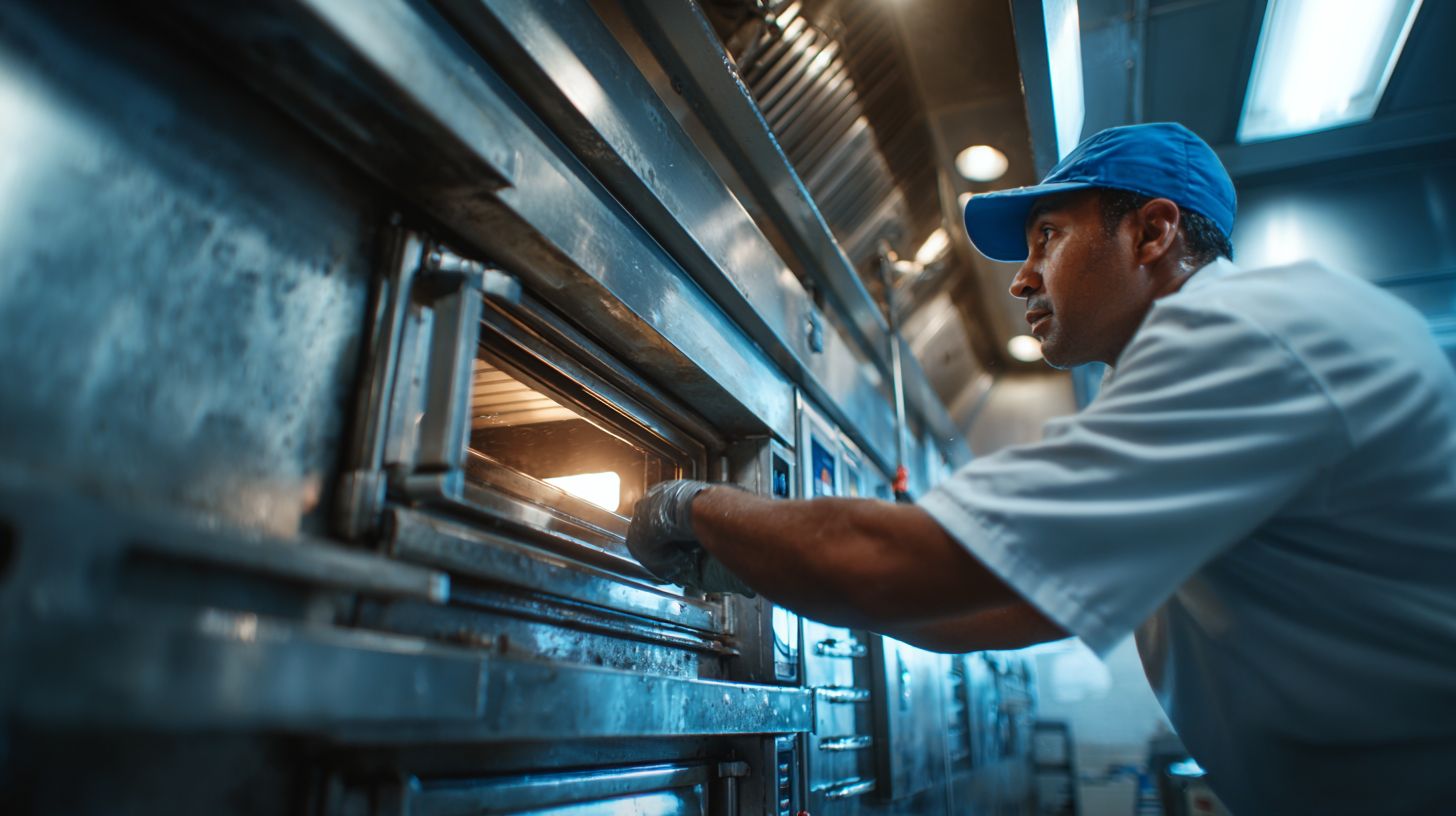


Kitchen hood cleaning is an essential aspect of maintaining a safe, efficient, and hygienic commercial kitchen. The kitchen hood plays a vital role in removing smoke, grease, heat, and odors from the air, ensuring that your kitchen operates at its best. However, over time, grease and debris accumulate within the system, which can lead to fire hazards, reduced air quality, and costly equipment failures. Regular kitchen hood cleaning is necessary to keep the system in top shape and reduce the risk of accidents.
Choosing a professional kitchen hood cleaning service like Commercial Facility Maintenance Services in League City, TX can feel overwhelming, but understanding what makes the cleaning effective, why it’s necessary, and how to select the best provider for your kitchen will make the process much easier. This guide walks you through everything you need to know about kitchen hood cleaning, including how often it should be done and how to choose the right service. Let’s dive into why kitchen hood cleaning is important, the cleaning process, and how it impacts the overall safety, efficiency, and longevity of your kitchen.
Effective kitchen hood cleaning doesn’t just improve the appearance of your kitchen but also ensures its functionality, safety, and efficiency. Different commercial kitchens require tailored cleaning approaches depending on their size, cooking volume, and type of food prepared. The goal of professional kitchen hood cleaning is to eliminate dangerous grease buildup, maintain proper ventilation, and keep the air quality healthy for staff members.
Kitchen hood cleaning is not a one-size-fits-all task. Each commercial kitchen has different needs based on cooking habits, the volume of food prepared, and the layout of the space. For example, a pizza kitchen with high grease output requires more frequent cleaning than a café that serves lighter dishes. A fast-food restaurant preparing a lot of fried food will also need to clean its kitchen hood more often than a bakery or café.
Professional cleaning companies offer customized cleaning plans that take these factors into account. By assessing the specific needs of your kitchen, they create a cleaning schedule that ensures maximum safety and efficiency. Whether it’s cleaning more often due to high-volume cooking or adjusting to the specific equipment in your kitchen, a personalized plan makes all the difference.
Regular cleaning ensures that your ventilation system works properly and efficiently, and a customized schedule helps optimize the performance of your kitchen hood. Overlooking the cleaning schedule can lead to unsafe environments, creating unhealthy air quality, fire hazards, and inefficiency.
Benefit | Description |
Fire Safety | Reduces the risk of grease fires by removing flammable buildup. |
Improved Air Quality | Removes smoke, grease, and cooking odors, creating a healthier environment. |
Enhanced Efficiency | Ensures that the ventilation system works efficiently, reducing energy costs. |
Extended Equipment Life | Prevents costly repairs by ensuring the hood operates optimally. |

One of the most important reasons to schedule regular kitchen hood cleaning is fire safety. Over time, grease builds up in the kitchen hood and exhaust system. If not cleaned regularly, this buildup becomes highly flammable and can ignite in the event of a fire. According to the National Fire Protection Association (NFPA), cooking equipment is the leading cause of commercial kitchen fires, with grease-laden kitchen hoods being a major contributor. Regular cleaning removes grease buildup and reduces the fire risk, keeping your kitchen and staff safe.
Grease buildup inside kitchen hoods is one of the leading causes of fires in commercial kitchens. Fire prevention is critical, and an efficient hood cleaning schedule can greatly reduce these risks. Cleaning companies use industrial-strength degreasers and cleaning tools to ensure the grease and other flammable materials are removed completely. This makes the kitchen hood safe and prevents fires that could destroy your kitchen, equipment, and even cause harm to staff members.
In addition to regular cleaning, kitchens must ensure that the cleaning service used complies with fire safety regulations set by organizations like NFPA. Having a professional kitchen hood cleaning service ensures that the job is done properly, reducing fire hazards and enhancing your kitchen’s safety protocols.
Another crucial benefit of regular kitchen hood cleaning is improved air quality. Grease, smoke, and cooking odors that aren’t removed effectively can accumulate in the kitchen, leading to respiratory problems and discomfort for your kitchen staff. A clean kitchen hood ensures that the ventilation system operates efficiently, removing harmful particles from the air and improving the overall working environment. Regular cleaning also helps prevent foul smells from lingering and ensures that the kitchen air remains fresh and healthy.
Poor air quality in a kitchen is a direct result of inadequate ventilation. The kitchen hood system is designed to extract grease, smoke, and cooking odors to maintain the cleanliness of the kitchen. When the system is clogged with grease and dirt, it becomes less effective, reducing air quality and creating an uncomfortable working environment. By maintaining a clean hood and exhaust system, kitchen staff can breathe easier, reducing health risks associated with inhaling harmful cooking particles.
Increased air quality also ensures that customers experience a pleasant dining atmosphere, free of strong odors. A clean, odor-free kitchen and restaurant help improve both employee productivity and customer satisfaction.
A clean kitchen hood and exhaust system help maintain efficient airflow, reducing the strain on your ventilation system. When grease and debris accumulate, the system has to work harder to extract smoke and heat, leading to decreased efficiency and higher energy costs. Regular cleaning helps the system run smoothly, saving energy and preventing costly repairs. The longer you wait to clean your kitchen hood, the more strain it places on the system, which could result in system failure or decreased performance.
When your kitchen ventilation system is clogged with grease and dirt, it makes the exhaust system work harder to maintain airflow. This leads to inefficient energy use, which drives up electricity costs. Additionally, your kitchen’s overall climate will suffer as the system struggles to expel smoke and heat. Ensuring that the hood is cleaned regularly prevents energy waste and helps save on monthly utility costs, while also ensuring the kitchen remains at a comfortable temperature for staff and customers.

Kitchen hood cleaning involves several important steps to ensure that the system is thoroughly cleaned and maintained. Here’s a breakdown of what to expect during a typical kitchen hood cleaning process:
Before starting any cleaning, ensure that the kitchen hood is turned off and disconnected from its power source to prevent accidents or electric malfunctions during the cleaning process.
The grease filters are typically the dirtiest part of the kitchen hood. These filters trap grease and other particles produced during cooking. They should be removed and cleaned separately, typically by soaking them in a degreasing solution to break down the grease buildup.
Once the filters are removed, the kitchen hood and ductwork should be cleaned. Cleaning professionals use industrial degreasers to loosen and remove grease and other debris from the surfaces. After applying the degreaser, a scrub brush or power washer is used to thoroughly clean the hood and ducts. Special attention is given to the corners and hard-to-reach areas, where grease buildup is often the worst.
The exhaust system, including the fan, ducts, and vents, should be inspected for any damage or blockages. If the fan is malfunctioning or there are any obstructions in the ducts, repairs or replacements should be done. This step ensures that the ventilation system continues to work efficiently and that the kitchen is free from harmful smoke and heat buildup.
Once everything is cleaned and inspected, the kitchen hood is reassembled. This includes replacing the grease filters and ensuring that all parts are properly secured. If any parts are damaged or worn, they should be replaced before the system is put back into service.
The frequency of kitchen hood cleaning depends on various factors, such as the volume of cooking and the type of food being prepared. For most commercial kitchens, it’s recommended to clean the kitchen hood at least every three months. However, some high-volume kitchens or those that cook greasy foods (like fried foods or pizza) may need more frequent cleaning to maintain safety and efficiency.
The most obvious benefit of regular kitchen hood cleaning is fire prevention. Grease buildup is a major fire hazard, and consistent cleaning ensures that your kitchen remains safe from the threat of a fire. Regular cleaning helps your kitchen meet local fire safety regulations and prevents costly damage from fires.
Cleaning the kitchen hood improves air quality by removing smoke and grease particles from the kitchen. This ensures a healthier environment for your staff and improves comfort levels in the workspace.
A clean kitchen hood reduces the strain on the ventilation system, allowing it to function more efficiently. This improves energy use, reduces operational costs, and ensures that your kitchen remains cool and comfortable.
Regular cleaning helps extend the lifespan of your kitchen hood and ventilation system. By preventing grease buildup and ensuring that all components are functioning properly, you can avoid costly breakdowns and ensure that your equipment lasts longer.
Factor | Key Considerations |
Professional Credentials | Verify certification, experience, and adherence to fire safety standards. |
Experience and References | Request references from other commercial kitchens the service has worked with. |
Cleaning Process | Ensure the service uses safe and effective cleaning methods and products. |

Selecting the right kitchen hood cleaning service is critical to ensuring that the job is done correctly and thoroughly. Here are some important factors to consider when choosing a provider:
Ensure that the cleaning company is certified and experienced in kitchen hood cleaning. Ask if they follow the National Fire Protection Association (NFPA) standards for kitchen exhaust system cleaning. The company should have the proper licenses and insurance to operate in your area.
Ask potential cleaning companies about their experience in the industry and request references from other commercial kitchens they have serviced. A reputable provider should have a solid track record of successful kitchen hood cleaning.
Make sure that the cleaning company uses safe and effective methods for cleaning your kitchen hood. Ask about the products they use and the specific steps involved in the cleaning process. Transparency about the cleaning methods is essential for ensuring quality results.
Kitchen hood cleaning is an essential part of maintaining a safe, efficient, and hygienic commercial kitchen. Regular cleaning reduces the risk of fires, improves air quality, enhances the efficiency of your ventilation system, and extends the lifespan of your equipment. By choosing the right professional cleaning service, you ensure that your kitchen meets safety standards and runs smoothly.
Investing in regular kitchen hood cleaning is an investment in the safety and longevity of your kitchen. Keep your kitchen hood clean, and it will continue to serve its critical function in your commercial kitchen.
By maintaining a clean and efficient kitchen hood, you can protect your staff, enhance kitchen performance, and comply with safety regulations. Regular professional cleaning ensures your kitchen operates smoothly and remains a safe, productive environment.