


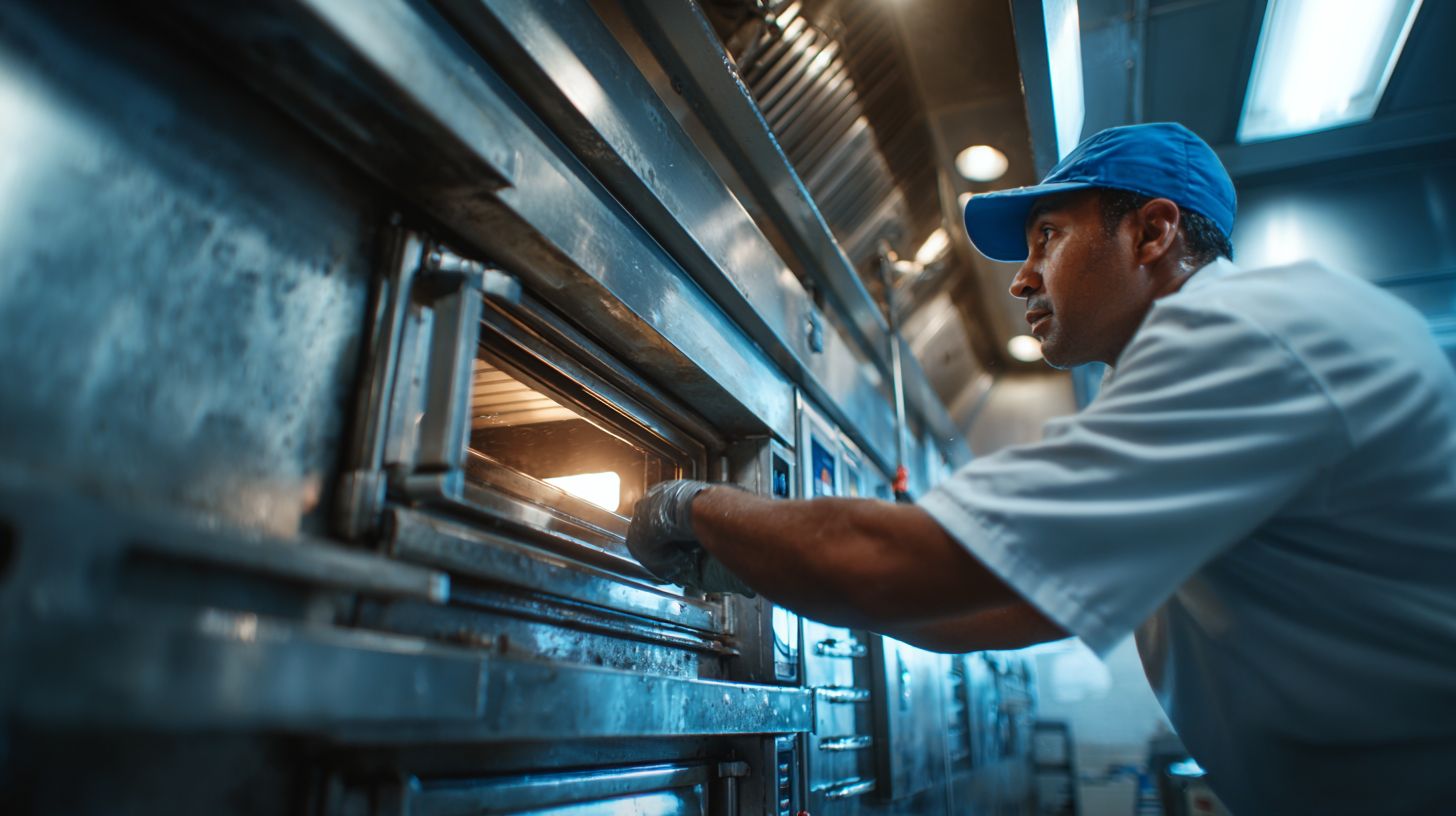


In any commercial kitchen, ensuring safety, efficiency, and hygiene is of utmost importance. Kitchen staff are constantly working under intense pressure, and the last thing they want to worry about is dealing with poor air quality or fire hazards. That’s why the kitchen hood system is such a critical component of a commercial kitchen’s infrastructure. These systems are designed to capture grease, smoke, and heat produced during cooking and expel them outside. However, like all kitchen equipment, the kitchen hood requires regular maintenance and cleaning to function properly.
Over time, grease, debris, and cooking byproducts accumulate inside the system, potentially compromising its ability to efficiently ventilate the kitchen, while also creating hazardous fire risks. Kitchen hood cleaning is essential not only for fire safety but also for ensuring that your commercial kitchen operates at its full potential. Regular cleaning prevents the buildup of grease and helps maintain air quality, which is crucial for the well-being of your staff and for compliance with local fire and health regulations.
In this guide, we will explore why kitchen hood cleaning is vital for food safety and regulatory compliance, how it supports kitchen operations, and the best practices to ensure a clean, safe kitchen environment.
The most significant reason for kitchen hood cleaning is to ensure fire safety. When cooking, particularly with high-fat and high-grease foods, grease vapors are released into the air. These vapors travel up into the hood system, where they can stick to the filters, ductwork, and exhaust fans. Over time, this buildup can create a hazardous situation. If a fire starts in the kitchen, the accumulated grease acts as fuel, allowing the fire to spread quickly through the ventilation system.
Grease fires in kitchen exhaust systems are one of the leading causes of fires in commercial kitchens. According to the National Fire Protection Association (NFPA), NFPA 96 outlines the standards for commercial kitchen exhaust cleaning, which help mitigate the risk of these dangerous fires. By adhering to these guidelines and scheduling regular professional cleaning, restaurant owners can avoid costly damage, injuries, and loss of life.
The kitchen ventilation system plays a pivotal role in ensuring that the kitchen environment remains safe, clean, and comfortable. It does this by removing smoke, heat, grease, and cooking odors that accumulate during cooking. However, when grease and debris clog the filters and ducts, the system struggles to maintain airflow, reducing its efficiency.
When the system is not functioning optimally, the kitchen air becomes stagnant, making it uncomfortable and potentially harmful to staff. Over time, grease buildup may begin circulating through the kitchen, contributing to poor indoor air quality.
Routine kitchen hood cleaning helps ensure that air flows freely through the system, removing smoke and odors promptly. This not only improves the working conditions for kitchen staff but also contributes to the overall food safety by preventing contaminants from lingering in the air.
A commercial kitchen hood system consists of several components that work together to ensure proper ventilation:
The canopy hood captures smoke, grease, and heat that rise from cooking surfaces. It acts as the first line of defense against airborne grease, funneling it into the ventilation system.
Grease filters capture grease particles as they enter the hood system. These filters are typically made of metal mesh or baffles and are designed to trap larger grease particles before they enter the ducts.
The ducts carry grease-laden air from the hood to the exhaust fan, where the contaminants are expelled from the kitchen. Ducts are typically made of metal and can accumulate grease along their interior surfaces, especially if the system is not cleaned regularly.
The exhaust fan is responsible for expelling air from the kitchen to the outside. Grease can accumulate on the fan blades, reducing airflow and causing the fan to work harder, which may lead to mechanical failure if not cleaned periodically.
For businesses in need of professional kitchen hood cleaning and maintenance, consider Commercial Facility Maintenance Services in Katy, TX. Regular maintenance ensures your kitchen ventilation system remains efficient and compliant with safety regulations.

The frequency of kitchen hood cleaning largely depends on the volume of cooking, the type of food prepared, and the grease output of the kitchen. Kitchens that use high-grease cooking methods like deep frying or charbroiling will require more frequent cleaning than those that rely on lower-grease methods like baking or steaming.
Type of Kitchen Operation | Recommended Cleaning Frequency |
High-volume kitchens (e.g., fast food) | Monthly |
Moderate-volume kitchens (e.g., sit-down restaurants) | Quarterly |
Low-volume kitchens (e.g., cafes) | Semi-annually |
Seasonal kitchens (e.g., catering) | Annually |
For high-volume kitchens that generate a large amount of grease and smoke daily, monthly cleaning is recommended. On the other hand, lower-volume kitchens may only need semi-annual or annual cleaning.
While regular cleaning schedules are essential, professional kitchen hood cleaning involves several steps that go beyond basic maintenance. Here’s a breakdown of the typical process:
Before starting, the kitchen is cleared of nearby equipment, and protective covers are placed around the work area to prevent any grease or cleaning solution from contaminating cooking surfaces. The kitchen should be turned off, and safety protocols must be in place to ensure the staff is safe during the cleaning process.
Grease filters, which are often the first part of the hood system to accumulate grease, are removed and cleaned thoroughly. They are typically soaked in a degreasing solution to break down the grease before being scrubbed clean and reinstalled.
After the filters are cleaned, a degreasing solution is applied to the hood and duct surfaces. Technicians use high-pressure washing equipment to remove stubborn grease buildup. Special care is taken to clean the hard-to-reach areas, ensuring the entire system is free from contaminants.
The exhaust fan blades are cleaned and degreased to ensure that the fan operates efficiently. Grease buildup on the fan blades can impair airflow and lead to excessive strain on the fan motor, which could result in mechanical failure.
Once the system is cleaned, technicians perform a thorough inspection to ensure that all grease and contaminants have been removed. The system is then reassembled, the filters are replaced, and the exhaust fan is tested to ensure optimal performance.
For comprehensive and reliable cleaning services, consider Commercial Facility Maintenance Services in The Woodlands, TX. A professional cleaning service ensures that your kitchen hood system operates safely and efficiently.
Regular kitchen hood cleaning provides several important benefits for commercial kitchens. Let’s look at some of the advantages:
The most obvious benefit of routine kitchen hood cleaning is fire prevention. By regularly removing grease buildup, you drastically reduce the chances of a fire igniting in the kitchen hood system.
A clean kitchen hood system ensures that smoke, grease, and cooking odors are effectively removed, resulting in improved air quality in the kitchen. This makes for a more comfortable working environment and reduces the chances of respiratory issues for staff.
When the system is free from grease buildup, the airflow improves significantly. This allows the ventilation system to work more efficiently, removing heat and smoke more effectively.
A clean system is more energy-efficient. The exhaust fans don’t have to work as hard to push air through clogged ducts, leading to reduced electricity costs. Over time, this can add up to significant savings for your business.
Routine cleaning reduces the strain on your kitchen hood system, preventing premature wear and tear. This extends the lifespan of your equipment and reduces the need for costly repairs or replacements.

Benefit | Impact |
Fire Prevention | Reduces the risk of grease fires spreading through the ventilation system. |
Improved Air Quality | Enhances indoor air quality by efficiently removing smoke, grease, and odors. |
Improved Ventilation Efficiency | Restores proper airflow, removing heat and smoke more effectively. |
Energy Savings | Reduces energy consumption by improving system efficiency. |
Prolonged Equipment Lifespan | Reduces wear and tear, extending the lifespan of ventilation equipment. |
Selecting the right cleaning service is crucial for ensuring that your kitchen hood system is properly cleaned and maintained. Here are some key factors to consider:
Look for a service provider that is experienced in cleaning commercial kitchen ventilation systems. They should be knowledgeable about the NFPA 96 standards for kitchen exhaust systems. It’s important to hire a provider with certified technicians who are familiar with industry best practices.
A reputable cleaning service should be able to provide references from other commercial kitchens they’ve serviced. Checking these references will give you confidence in their ability to perform high-quality work.
The cleaning service should clearly explain their process and the equipment they use. Ask about the cleaning agents they use and ensure that they are safe and effective. Transparency helps ensure that the service meets your expectations.
For Commercial Facility Maintenance Services in The Woodlands, TX, ensure that you’re partnering with a reliable, experienced provider who understands your needs and works with top-quality equipment.
Kitchen hood cleaning is essential to maintaining a safe, efficient, and compliant commercial kitchen. Regular cleaning helps prevent fire hazards, improve ventilation, enhance indoor air quality, reduce energy consumption, and prolong the life of your kitchen equipment. By adhering to cleaning schedules and hiring professional services, restaurant owners can ensure that their kitchen hood systems operate at peak performance.
Routine cleaning not only ensures that your kitchen meets fire safety regulations but also protects your equipment and staff from potential hazards. With regular professional cleaning, commercial kitchens can maintain a safer and healthier environment, improving both staff productivity and guest satisfaction.
Kitchen hood cleaning removes grease, smoke residue, and contaminants from commercial kitchen exhaust systems. A clean hood helps maintain a hygienic food preparation environment and reduces the risk of contamination or cross-contamination in the kitchen.
Commercial kitchens are typically required to follow safety guidelines set by the National Fire Protection Association, specifically NFPA 96, which mandates regular cleaning of exhaust systems to prevent grease buildup and fire hazards.
Cleaning frequency depends on cooking volume and grease production. High-volume restaurants may require monthly cleaning, moderate-volume kitchens quarterly cleaning, and low-volume kitchens semi-annual cleaning to stay compliant and safe.
A complete hood cleaning service covers the hood canopy, grease filters, ductwork, and the exhaust fan. Cleaning all components ensures the entire exhaust system is free from grease and operating safely.
Yes. Excess grease buildup increases fire hazards and can result in failed inspections or violations of local fire and health regulations.