


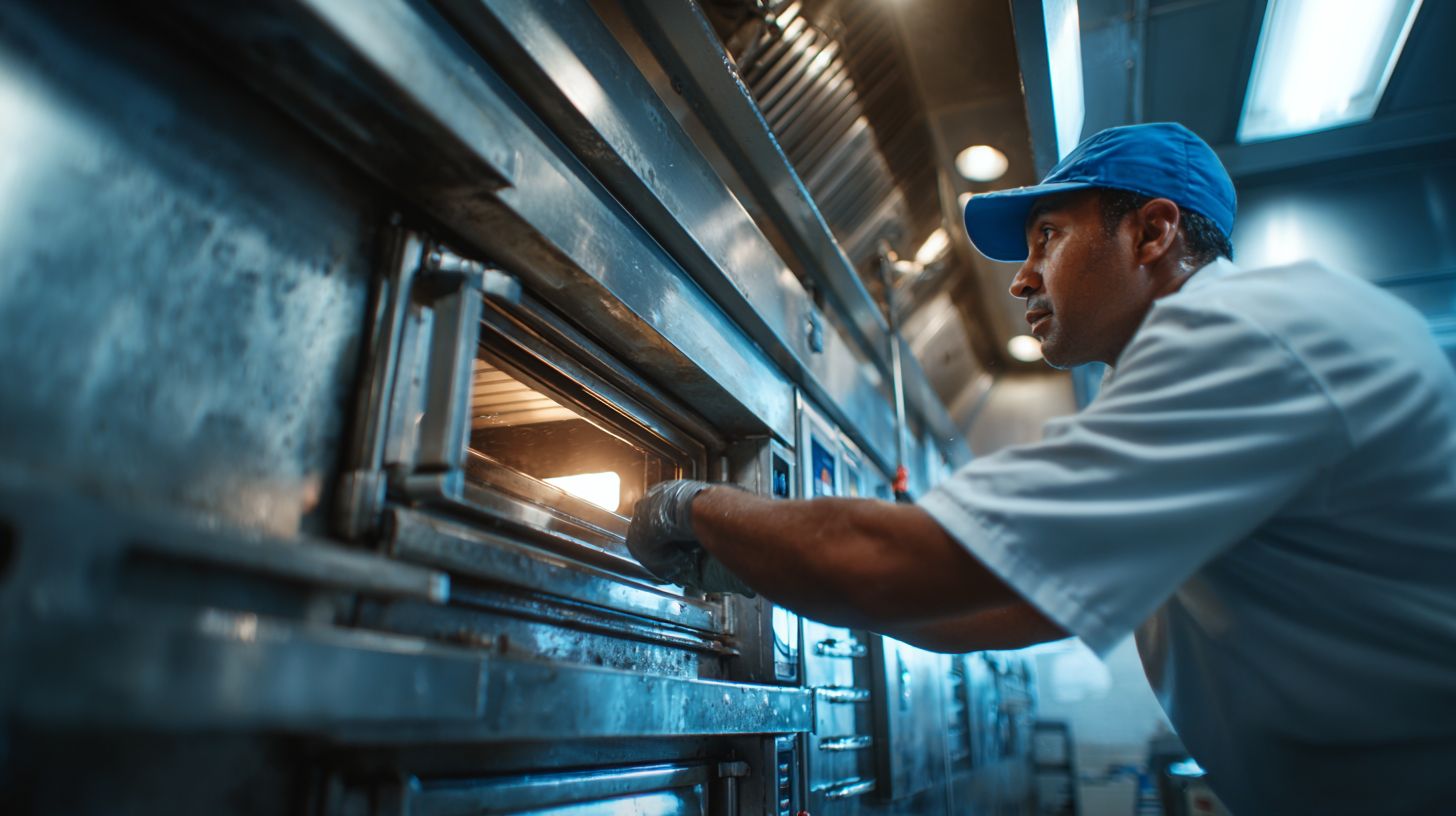


In Houston, commercial kitchens rarely slow down. From early prep to late-night service, equipment stays active, producing heat, vapor, and airborne residue throughout the day. Over time, this constant activity affects more than just cooking—it impacts the system working above it.
That’s where kitchen hood cleaning becomes part of the bigger picture. Not as a one-time task, but as something that supports how a kitchen feels and functions over time.
If you look at how kitchens operate across areas like Houston and nearby communities such as Katy (you can explore how service coverage works in places like Commercial Facility Maintenance Services in Houston, TX or Commercial Facility Maintenance Services in Katy, TX, you’ll notice one common factor—systems are constantly in use, and consistency matters.
Every time cooking begins, the environment inside the kitchen shifts.
In high-demand kitchens, this cycle repeats continuously. As more cooking takes place, more airborne residue enters the system. Over time, internal surfaces begin to collect layers.
At first, nothing seems different. But gradually, the system starts to respond in subtle ways.
One of the first noticeable changes in a kitchen is airflow.
When airflow is steady:
When airflow becomes restricted:
In Houston’s already warm environment, even small changes can be noticeable during busy hours.

Every kitchen operates differently. Some run at a steady pace, while others handle continuous output.
The more cooking activity there is:
For a broader perspective on how this plays out in real kitchens, this hood cleaning Houston guide explains how daily operations and system behavior are closely connected.
Before visible signs appear, smaller changes usually come first.
You might notice:
These are easy to overlook, but they often signal that the system is changing internally.
When hood systems are maintained consistently, the difference shows during service.
This consistency helps reduce small disruptions that can build up during busy hours.
Different kitchens require different levels of attention depending on usage.
Kitchen Activity Level | Typical Daily Output | Maintenance Approach |
Continuous operation | High volume, no downtime | Frequent and consistent attention |
Peak-hour focused | Busy during specific times | Scheduled routine upkeep |
Moderate use | Controlled activity | Balanced maintenance |
Low activity | Occasional cooking | Minimal but regular checks |
Matching maintenance to actual usage helps keep systems functioning properly over time.

Inside the system, buildup forms gradually.
A thin coating develops on internal surfaces with no noticeable change.
Layers begin to thicken, and airflow starts to slow slightly.
Internal surfaces become coated, and airflow restriction becomes noticeable.
System performance drops, and the kitchen environment becomes harder to manage.
Understanding these stages helps explain why steady maintenance matters.
What You Notice | How It Feels in the Kitchen | Possible Explanation |
Air feels heavier | Less comfortable during service | Reduced airflow efficiency |
Heat lingers longer | Harder to cool down | Slower air movement |
Smoke stays visible | Takes longer to clear | Internal restriction |
Slight odor remains | Doesn’t fade quickly | Residue inside system |
Work feels more demanding | Staff fatigue increases | Environmental imbalance |
These signs often appear before anything becomes visibly obvious.
Houston’s environment plays a role in how systems behave over time.
High outdoor temperatures add to the heat already produced in the kitchen.
Moisture in the air allows residue to cling more easily to internal surfaces.
Many kitchens operate long hours, meaning systems are always active.
Because of these conditions, buildup tends to develop faster, making consistency more important.

While deeper cleaning is necessary, daily habits support overall system performance.
These small steps help maintain stability between scheduled cleanings.
One common approach is waiting until something becomes obvious.
The challenge is that most buildup happens out of sight.
By the time visible signs appear:
This is why early awareness is more effective than reactive maintenance.
Kitchen systems don’t operate in isolation. They’re part of a larger environment that includes equipment, structure, and overall facility condition.
That’s why some kitchens also consider broader upkeep practices, similar to how facility repair services support the overall functionality of a space—not just one system, but how everything works together.
In the same way, hood systems are part of a bigger operational flow.
Instead of viewing hood cleaning as a separate task, it helps to see it as part of how the kitchen runs.
When everything is functioning properly:
When it’s not:
This shift often happens gradually.

Kitchens that maintain a steady environment usually follow a simple approach:
It’s not about doing more work—it’s about doing things consistently.
If you compare different kitchen environments, you’ll notice similar patterns. For example, insights from this The Woodlands hood cleaning overview highlight how consistency and awareness apply across different locations.
Even though each area has its own pace, the underlying principles remain the same.
In Houston kitchens, where activity rarely slows down, kitchen hood cleaning plays a quiet but important role in daily operations.
It’s not always visible, but it affects everything—from airflow to comfort to overall efficiency.
When systems are maintained consistently:
And in a fast-moving kitchen, that consistency is what keeps everything working the way it should.
While daily habits and awareness are important, there are times when deeper attention is needed. That’s where structured approaches—like those outlined in kitchen vent hood cleaning—fit into the overall picture.
Not as a one-time solution, but as part of a larger system of maintaining balance and performance over time.
Most commercial kitchens in Houston should schedule hood cleaning every 1 to 3 months. High-volume or grease-heavy cooking operations may require monthly service to stay compliant and safe.
Kitchen hood cleaning includes removing grease from the hood canopy, filters, ductwork, and exhaust fan. This ensures proper airflow and reduces fire risk.
Hood cleaning helps prevent grease fires, improves ventilation, maintains air quality, and ensures compliance with fire and health regulations.
Yes, commercial kitchens must follow fire safety codes, including regular hood cleaning as outlined in NFPA 96 standards.
Costs typically range from $300 to $800 depending on system size, grease buildup, and accessibility.
Common signs include visible grease buildup, poor airflow, strong odors, excessive smoke, and dripping grease.
Yes, grease accumulation inside the hood and duct system is highly flammable and a major cause of commercial kitchen fires.
Most hood cleaning services take 2 to 4 hours, depending on the size and condition of the system.