


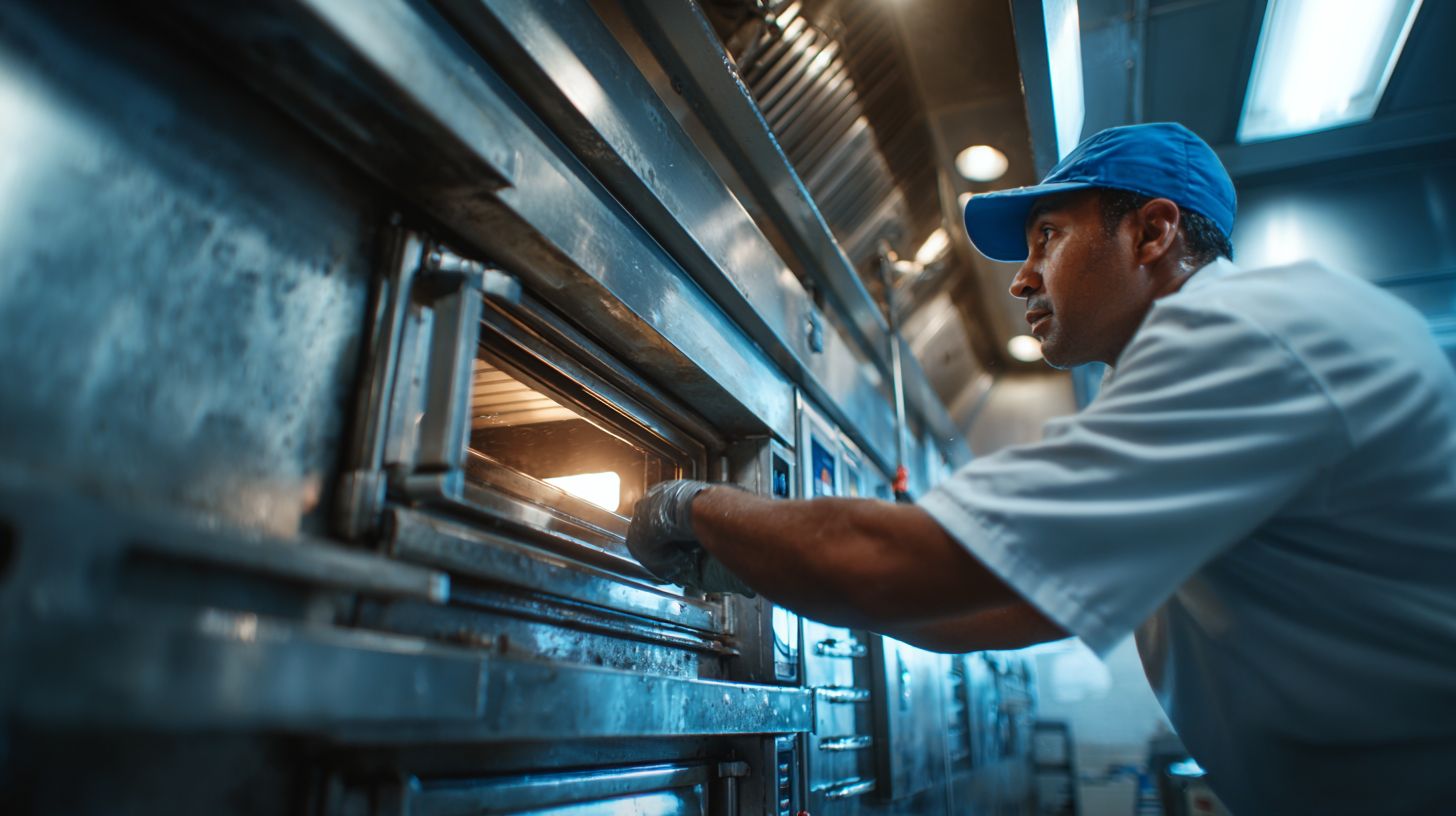


Running a commercial kitchen involves more than preparing food and serving customers. Restaurant owners and kitchen managers must also ensure that their facilities meet safety standards designed to prevent accidents, equipment failures, and health hazards. One of the most important safety regulations affecting commercial kitchens is NFPA 96, which governs kitchen ventilation systems and fire prevention.
NFPA 96 provides clear guidelines for the cleaning, inspection, and maintenance of commercial kitchen exhaust systems. These systems include kitchen hoods, ducts, fans, and filters that remove grease, smoke, and heat from the kitchen environment. When these systems are not cleaned properly, grease buildup can create a serious fire hazard.
Understanding NFPA 96 kitchen hood cleaning requirements helps restaurant owners stay compliant, protect their staff, and prevent costly kitchen fires. This guide explains what NFPA 96 requires, how often cleaning should be performed, and why regular kitchen hood maintenance is essential for commercial kitchens.
The National Fire Protection Association (NFPA) developed NFPA 96 to establish standards that reduce fire risks in commercial cooking operations. Commercial kitchens produce grease-laden vapors during cooking, which travel through ventilation systems and accumulate inside hoods and ducts.
Over time, this grease buildup becomes highly flammable. If a fire starts on the cooking surface, the flames can quickly spread into the exhaust system, turning the ventilation system into a pathway for fire.
NFPA 96 addresses this risk by setting rules for the design, installation, cleaning, and maintenance of kitchen ventilation systems. These standards apply to restaurants, cafeterias, hotels, hospitals, food trucks, and any other facility that operates commercial cooking equipment.
The goal of NFPA 96 is simple: reduce fire hazards caused by grease accumulation in kitchen exhaust systems.
Following these standards protects both property and lives.

Kitchen hood cleaning is not simply a maintenance recommendation. Under NFPA 96, it is a required safety practice.
When grease vapors rise from cooking equipment, they enter the hood and ventilation system. While filters capture some grease particles, much of the grease travels further into the ducts and exhaust fan. Over time, layers of grease form on these surfaces.
Grease is extremely combustible. When exposed to high heat or flames, it can ignite quickly. A fire inside the ductwork can spread rapidly throughout the building, causing severe damage.
NFPA 96 requires regular cleaning because it removes these grease deposits before they become dangerous.
Proper cleaning ensures that:
Without regular cleaning, even a small kitchen fire can escalate into a catastrophic event.
One of the most important parts of NFPA 96 is the recommended cleaning schedule for commercial kitchen exhaust systems. The cleaning frequency depends on the type of cooking operation and how much grease is produced.
Below is the general schedule recommended by NFPA 96.
Type of Cooking Operation | Recommended Cleaning Frequency |
High-volume restaurants (24-hour cooking, charbroiling, frying) | Monthly |
Moderate-volume kitchens | Quarterly |
Low-volume kitchens (seasonal cooking, schools) | Semi-annually |
Churches, day camps, or occasional cooking | Annually |
High-volume restaurants produce more grease, which means buildup occurs faster. These kitchens require more frequent cleaning to remain safe.
Restaurant owners should also understand that local fire departments may enforce stricter requirements depending on the jurisdiction.
Regular inspections help determine if cleaning should be performed sooner than scheduled.
NFPA 96 requires the entire kitchen exhaust system to be cleaned, not just the visible hood.
Many restaurant owners mistakenly believe cleaning the hood surface is sufficient. In reality, grease accumulates throughout the entire system.
Professional kitchen hood cleaning typically includes the following components.
The hood captures grease-laden vapors rising from cooking appliances. Grease collects on the interior surfaces of the hood, which must be thoroughly degreased.
Filters trap grease particles before they enter the duct system. Over time, they become clogged and must be cleaned or replaced.
Ducts carry grease vapors away from the kitchen. Grease often accumulates deep inside these ducts, making professional cleaning necessary.
Exhaust fans pull contaminated air out of the system. Grease buildup on fan blades reduces airflow and increases fire risk.
The final stage of the exhaust system releases air outside the building. These components must also remain clean to ensure proper ventilation.
Cleaning all these components ensures the system operates safely and efficiently.

Restaurants that follow NFPA 96 guidelines experience several important benefits beyond regulatory compliance.
Removing grease deposits significantly lowers the chances of a fire spreading through the ventilation system.
Clean ducts and fans allow air to flow properly, reducing smoke and heat in the kitchen.
Better ventilation improves indoor air quality for kitchen staff.
Removing grease buildup reduces strain on ventilation equipment and extends its lifespan.
Many insurance companies require restaurants to follow NFPA 96 standards.
Failure to maintain proper cleaning records could result in denied insurance claims after a fire.
Even if a restaurant follows a cleaning schedule, certain warning signs indicate the system needs immediate attention.
Common signs include:
These signs suggest that grease accumulation may already be excessive.
Ignoring these warning signals increases the risk of fire and ventilation failure.
Professional hood cleaning companies follow a detailed process designed to remove grease safely and completely.
The process typically includes:
After cleaning, technicians often place a certification sticker on the hood showing the cleaning date and company information.
This sticker helps fire inspectors verify that the system is maintained properly
Not all cleaning services are equipped to handle commercial kitchen exhaust systems. Restaurants should hire companies experienced in NFPA 96 compliant cleaning.
A reliable provider should:
Working with experienced professionals helps ensure that the cleaning process meets industry safety standards and local fire codes. Many restaurant owners also rely on providers that offer broader commercial facility maintenance services in Katy TX, since these companies typically have the expertise and equipment needed to handle large-scale ventilation systems and ongoing maintenance requirements.
NFPA 96 kitchen hood cleaning requirements play a critical role in protecting commercial kitchens from fire hazards. Grease accumulation inside exhaust systems can quickly become dangerous if not removed regularly.
By following NFPA 96 guidelines, restaurants can reduce fire risks, improve ventilation, and ensure compliance with safety regulations.
Regular professional cleaning keeps kitchen exhaust systems functioning efficiently while creating a safer environment for employees and customers.
Restaurant owners who prioritize kitchen hood maintenance not only protect their businesses but also demonstrate a commitment to safety and responsible kitchen management.
Cleaning frequency depends on cooking volume. Systems serving solid-fuel cooking operations may require monthly cleaning, while high-volume restaurants typically require quarterly cleaning. Moderate-volume kitchens may be cleaned every six months, and low-volume operations may only need annual service.
NFPA 96 requires cleaning of the entire exhaust system, including the hood canopy, grease filters, ductwork, and exhaust fan. Cleaning must remove grease buildup from all accessible surfaces to reduce fire hazards.
Staff can clean removable grease filters and perform basic maintenance. However, full system cleaning—including ducts and rooftop fans—should be done by trained professionals with proper equipment and expertise.
“Clean to bare metal” means removing all grease, residue, and contaminants from the exhaust system so that the metal surfaces are fully exposed and free of combustible buildup. This ensures the system meets fire safety standards.
After a professional cleaning, technicians typically provide a service report, cleaning certificate, and inspection notes. Many jurisdictions also require a compliance label or sticker placed on the hood showing the cleaning date and service company.
Failure to comply with NFPA 96 can result in fire code violations, failed inspections, and increased fire risk. Inspectors may require immediate cleaning or additional maintenance if grease buildup is found.
Grease buildup in exhaust systems is highly flammable and can allow fires to spread rapidly through ducts and onto the roof. Proper hood cleaning reduces fire hazards and improves kitchen ventilation.