


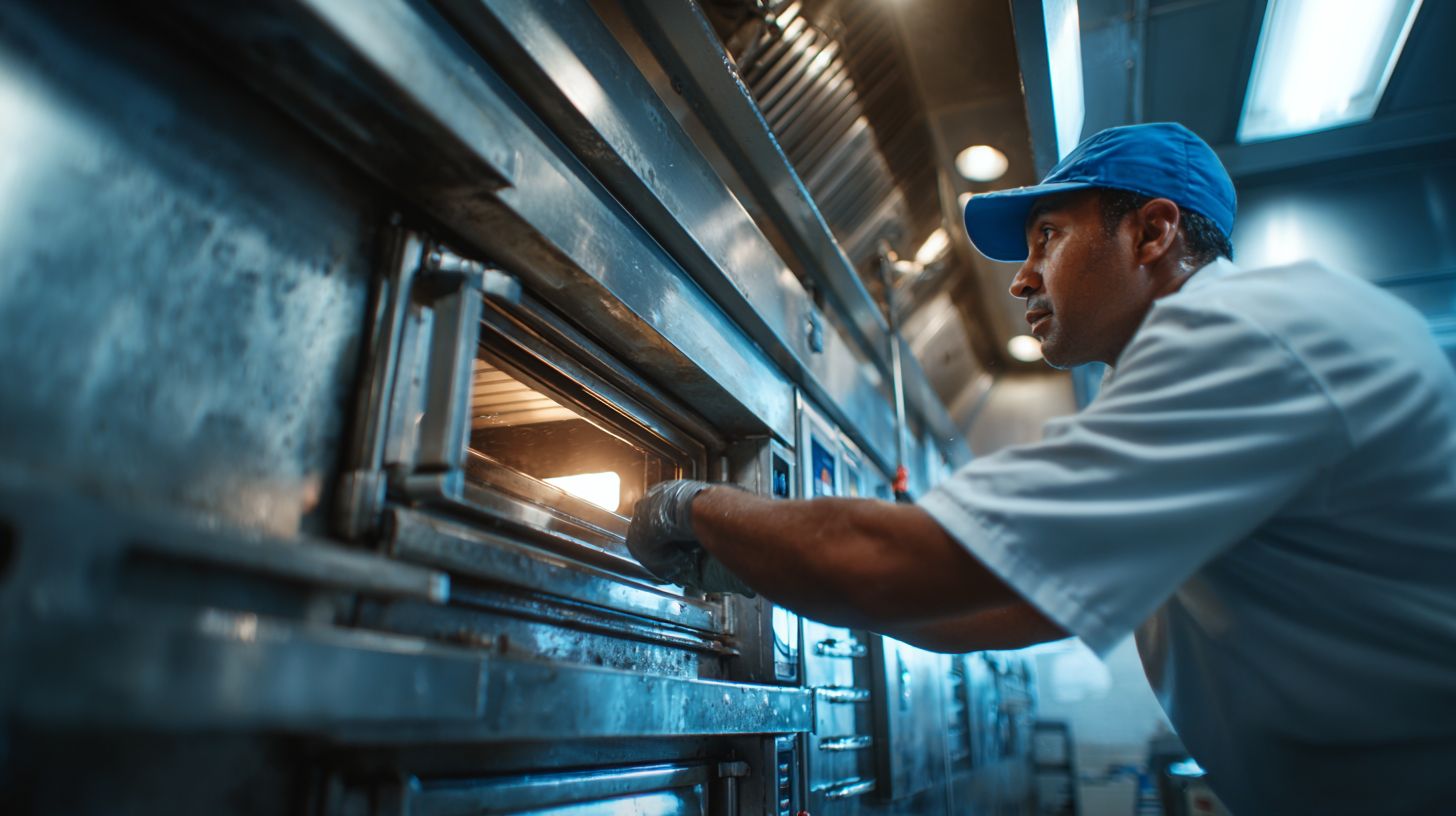


Commercial kitchens operate in fast-paced environments where cooking equipment runs for hours every day. With constant frying, grilling, sautéing, and baking, grease and smoke are continuously released into the air. To control these contaminants, restaurants rely on kitchen hood ventilation systems. These systems capture grease-laden vapors, heat, and smoke before they spread throughout the kitchen.
However, kitchen hood systems require regular cleaning to remain safe and effective. Over time, grease accumulates inside the hood, filters, ductwork, and exhaust fans. If this buildup is not removed regularly, it can create serious fire hazards and ventilation problems.
Recognizing the early warning signs that your kitchen hood needs cleaning can help prevent dangerous situations and costly repairs. Many restaurant owners assume that cleaning only needs to occur on a fixed schedule, but in reality, some kitchens accumulate grease faster than others. High-volume cooking operations may require more frequent maintenance than expected.
This guide explains the most common signs that your commercial kitchen hood requires immediate cleaning and why taking action quickly is essential for safety, efficiency, and compliance.
Before identifying the warning signs, it’s important to understand why kitchen hood cleaning is so critical. Kitchen exhaust systems play a key role in maintaining a safe cooking environment.
When food is cooked, grease vapors rise from cooking equipment and enter the hood system. These vapors travel through filters, ducts, and exhaust fans before being released outside the building.
Over time, grease particles stick to the surfaces inside the ventilation system. Without regular cleaning, these grease deposits accumulate and become thicker.
This buildup creates several serious problems:
A properly maintained hood system removes smoke and grease effectively, ensuring that the kitchen remains safe and comfortable for employees. Regular maintenance also helps improve airflow and keeps cooking areas free from excessive heat and smoke.
Ignoring hood cleaning can lead to violations during health or fire inspections and may even result in temporary restaurant closure. Many restaurant owners avoid these issues by working with companies that specialize in commercial facility maintenance services in Katy TX, ensuring their kitchen exhaust systems stay compliant with fire safety regulations and operate efficiently year-round.

One of the clearest signs that a kitchen hood requires cleaning is visible grease buildup.
When grease accumulates on the exterior or interior surfaces of the hood, it indicates that the ventilation system has not been cleaned recently. Thick layers of grease often appear as sticky, yellow or brown residue on metal surfaces.
Over time, grease may begin to drip from the hood onto cooking equipment or countertops. This situation is extremely dangerous because grease is highly flammable.
If flames from cooking appliances reach accumulated grease, the fire can spread quickly through the hood system.
Restaurant staff should regularly check for grease buildup around:
If grease is visible to the naked eye, the system likely requires professional cleaning immediately.
Another warning sign of a dirty kitchen hood system is persistent cooking odors.
Commercial kitchens naturally produce strong smells from grilled meats, fried foods, and spices. Normally, the ventilation system removes these odors quickly.
However, when grease and debris block airflow inside the hood system, odors remain trapped in the kitchen and dining areas.
Lingering smells may indicate that:
If customers begin noticing cooking odors outside the kitchen area, it may mean the ventilation system is no longer operating efficiently.
A clean kitchen hood should remove odors quickly and maintain fresh indoor air.
A properly functioning hood system removes smoke almost immediately after it rises from cooking equipment. If smoke begins accumulating in the kitchen, it is a strong indicator that the hood system needs attention.
Smoke buildup may occur when grease deposits restrict airflow within the ducts or exhaust fan.
Common symptoms include:
When smoke cannot escape efficiently, the working environment becomes uncomfortable and potentially hazardous.
Excess smoke also increases the chances of fire because grease vapors remain in the air longer.
Regular cleaning restores proper airflow and prevents smoke accumulation.

Kitchen hood filters are designed to trap grease before it enters the duct system. However, when filters become overloaded with grease, they stop functioning effectively.
One clear sign of a clogged filter is grease dripping from the filters.
This occurs when grease saturation exceeds the filter’s capacity. At this point, grease may drip onto cooking equipment, countertops, or floors.
This situation creates multiple problems:
Cleaning or replacing grease filters regularly is essential to maintain proper filtration.
If grease is dripping from filters, the hood system should be cleaned immediately.
The exhaust fan is responsible for pulling contaminated air through the ventilation system. When grease accumulates on fan blades, the fan must work harder to move air.
This often leads to unusual noises coming from the exhaust fan.
Common signs include:
Grease buildup can cause fan components to become unbalanced or clogged.
If the fan is struggling to operate, the entire ventilation system becomes less effective.
Ignoring these warning signs can lead to mechanical failure and expensive repairs.
Professional cleaning removes grease from fan blades and restores proper airflow.
Kitchen ventilation systems also help regulate temperature by removing excess heat produced during cooking.
When the hood system becomes clogged with grease, airflow is restricted. As a result, heat remains trapped inside the kitchen.
Employees may notice:
High temperatures not only create discomfort but also reduce productivity and increase the risk of heat stress among staff.
Cleaning the hood system improves ventilation and helps maintain a more comfortable working environment.

Health and fire inspectors routinely evaluate commercial kitchen ventilation systems during inspections.
If grease buildup is discovered in the hood or ductwork, the restaurant may receive warnings or violations.
In severe cases, restaurants may be required to close temporarily until the system is cleaned.
Inspection failures often occur when restaurants fall behind on hood cleaning schedules.
Keeping proper maintenance records and scheduling professional cleanings regularly helps prevent inspection issues.
When ventilation systems are not functioning properly, grease particles may escape into the kitchen environment.
Over time, grease can accumulate on nearby surfaces such as walls, ceilings, and lighting fixtures.
This greasy residue is not only unsightly but also difficult to clean.
More importantly, it signals that the hood system is not capturing grease vapors effectively.
If grease buildup appears outside the hood area, the ventilation system likely needs cleaning and inspection.
Cleaning frequency depends on cooking volume and grease production.
General guidelines include:
Kitchen Type | Recommended Cleaning Frequency |
High-volume restaurants | Monthly |
Moderate-volume kitchens | Quarterly |
Low-volume kitchens | Twice per year |
Seasonal operations | Annually |
High-grease cooking methods such as frying and charbroiling produce more grease vapors and require more frequent cleaning.
Restaurant managers should adjust cleaning schedules based on actual kitchen activity.

Addressing hood cleaning needs promptly provides several important benefits.
Removing grease buildup significantly reduces the risk of kitchen fires.
Clean ventilation systems remove smoke and odors more effectively.
Grease-free fans and ducts allow ventilation equipment to operate efficiently.
Efficient airflow reduces the workload on ventilation equipment.
Regular cleaning helps restaurants pass fire and health inspections.
While kitchen staff can perform basic surface cleaning, professional hood cleaning services are necessary for deep cleaning.
Professional technicians use specialized equipment to clean areas that are difficult to reach, including:
They also inspect the ventilation system to identify potential problems before they turn into serious safety issues. Many restaurant owners rely on providers that offer commercial facility maintenance services in The Woodlands TX because these companies often have the expertise required to properly maintain complex kitchen exhaust systems.
Professional cleaning ensures that the entire system meets safety standards and functions properly.
Kitchen hood systems are one of the most important safety features in any commercial kitchen. When grease accumulates inside these systems, it creates fire hazards, ventilation problems, and health risks.
Recognizing the early warning signs of a dirty hood system allows restaurant owners to take action before serious issues develop.
Visible grease buildup, smoke accumulation, lingering odors, and loud exhaust fans are all indicators that immediate cleaning may be necessary.
By scheduling regular professional kitchen hood cleaning, restaurants can maintain a safe working environment, protect their equipment, and ensure compliance with fire safety regulations. Working with experienced providers of commercial facility maintenance services in Spring TX can also help restaurants stay ahead of maintenance issues while keeping their kitchen ventilation systems operating efficiently.
A clean hood system not only protects the kitchen but also supports efficient restaurant operations and a healthier workspace for employees.
Visible grease buildup, smoke accumulation, lingering odors, and loud exhaust fans are all indicators that immediate cleaning may be necessary.
By scheduling regular professional kitchen hood cleaning, restaurants can maintain a safe working environment, protect their equipment, and ensure compliance with fire safety regulations.
A clean hood system not only protects the kitchen but also supports efficient restaurant operations and a healthier workspace for employees.
Common warning signs include visible grease buildup on hood surfaces, grease dripping from filters, strong cooking odors, smoke lingering in the kitchen, and poor airflow. These signs indicate grease accumulation inside the exhaust system and should be addressed quickly to reduce fire risk.
Grease buildup occurs when cooking vapors containing oils and fats rise into the ventilation system. Over time, these particles stick to hood surfaces, filters, ducts, and fans, gradually forming thick deposits that can restrict airflow and create fire hazards.
Yes. Grease dripping from a hood or filter usually means the exhaust system is overloaded with grease deposits. This buildup is highly flammable and can significantly increase the risk of a kitchen fire if not removed promptly.
Smoke lingering in the kitchen often indicates restricted airflow caused by grease buildup inside the exhaust ducts or fan system. When grease blocks ventilation pathways, the system cannot effectively remove smoke, heat, and cooking vapors.
Cleaning frequency depends on the type of cooking operation. Kitchens using solid fuel may require monthly cleaning, while high-volume restaurants often need quarterly cleaning. Moderate-volume kitchens may require semiannual cleaning, and low-volume kitchens may only require annual service.
A complete cleaning includes the hood canopy, grease filters, plenum, ductwork, exhaust fan, and other components exposed to grease-laden vapors. Cleaning the entire system helps remove combustible grease deposits and maintain proper ventilation.
Yes. A clean exhaust system improves airflow, removes smoke and heat more effectively, and helps kitchen equipment operate efficiently. Proper ventilation also creates a more comfortable and safer working environment for kitchen staff.