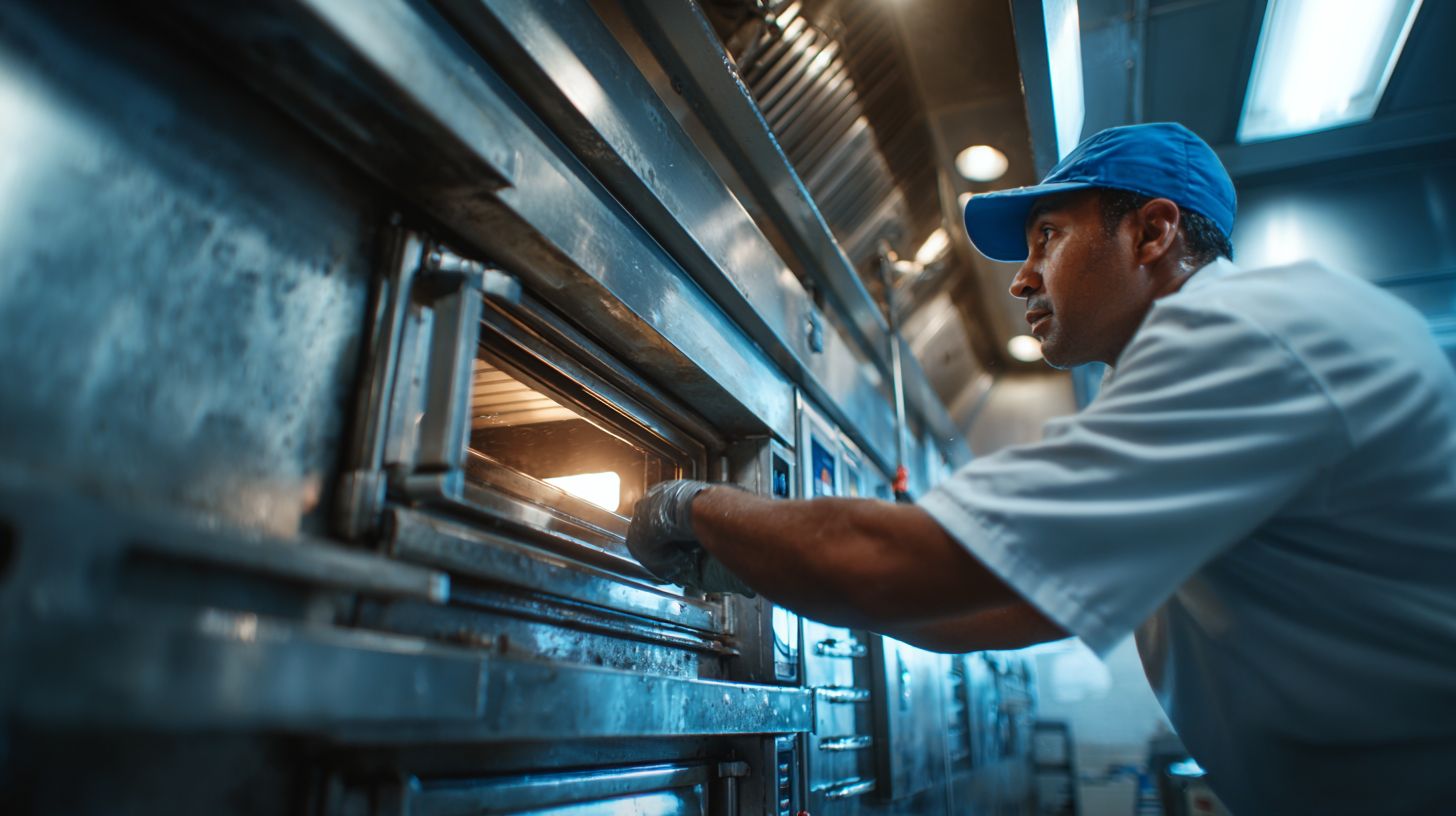
The Role of Vent Hoods in a Commercial Kitchen
The Necessity of Vent Hood Cleaning for Fire Safety in Restaurant
Reasons to Prioritize Vent Hood Cleaning:
- Keeps flammable grease accumulation at bay.
- Complies with insurance regulations and fire codes.
- Guards against monetary losses brought on by fire damage.
- Make sure the kitchen is safe for both staff and customers.
- Aids in preserving a favorable company reputation.
The Health Implications of a Dirty Vent Hood
Maintaining a clean kitchen environment is equally important to the health of customers and kitchen personnel as it is to fire safety. Grease, smoke, and other airborne pollutants can permeate the kitchen when a vent hood system is ignored, which lowers air quality. When kitchen workers are exposed to dangerous particles that might cause respiratory disorders and other health concerns, the worsening in air quality can make the workplace uncomfortable. Food safety is further compromised by poor ventilation, which encourages the buildup of oil and dirt on cooking surfaces and the growth of bacteria and other pathogens.
Regular cleaning of the commercial kitchen exhaust system is essential for ensuring proper air quality, mitigating the risk of airborne illnesses, and adhering to stringent restaurant safety standards. By prioritizing vent hood maintenance, restaurants can protect the health of their staff and patrons, promoting a safe and hygienic kitchen environment.
Ensuring Compliance with Health and Safety Regulations
Restaurants face the critical responsibility of adhering to health and safety standards, which include maintaining a clean and functional exhaust system. Failure to comply can lead to significant consequences, such as fines, penalties, or even closure by health inspectors. Regular commercial kitchen hood vent cleaning reflects a restaurant’s dedication to safety and quality. It demonstrates a commitment to the health of staff and customers while proactively addressing potential hazards.
Most fire codes require vent hoods and exhaust systems to be cleaned at intervals of three to six months, depending on cooking methods. High-volume kitchens, especially those using deep fryers or grills, may need more frequent cleanings. Engaging a professional commercial kitchen vent hood cleaning service not only helps ensure compliance with local regulations but also minimizes the risk of violations during health inspections, safeguarding the restaurant’s reputation and operational integrity.
Best Practices for Preventing Fires in Restaurant Kitchens
Best Practice | Description |
Frequent Cleaning | Plan on having the exhaust system and vent hood cleaned on a regular basis by a qualified company that is aware of the unique needs of your kitchen. |
Fire Suppression Systems | Make sure your kitchen has a fire suppression system that can swiftly put out grease fires and is intended for commercial cooking spaces. |
Employee Education | Educate kitchen workers about fire safety practices, such as using fire extinguishers, handling grease fires, and properly turning off equipment in an emergency. |
Regular Inspections | Regularly examine the kitchen exhaust system for damage or grease accumulation to enable early identification and avoidance of serious problems. |
Choosing a Professional Vent Hood Cleaning Service
Some restaurant owners consider handling vent hood cleaning themselves, but hiring a professional commercial kitchen vent hood cleaning service is strongly recommended. ProTech Facility Servicesoffers the expertise, tools, and experience necessary to thoroughly clean the entire vent hood system, including hard-to-reach areas. Their professional team ensures compliance with local fire and health regulations, providing essential documentation for inspections. ProTech Facility Services can advise on the appropriate cleaning frequency tailored to your kitchen’s specific needs. Investing in regular professional cleaning not only enhances kitchen safety but also prolongs the life of the vent hood and exhaust system, minimizing the risk of costly repairs or replacements.