


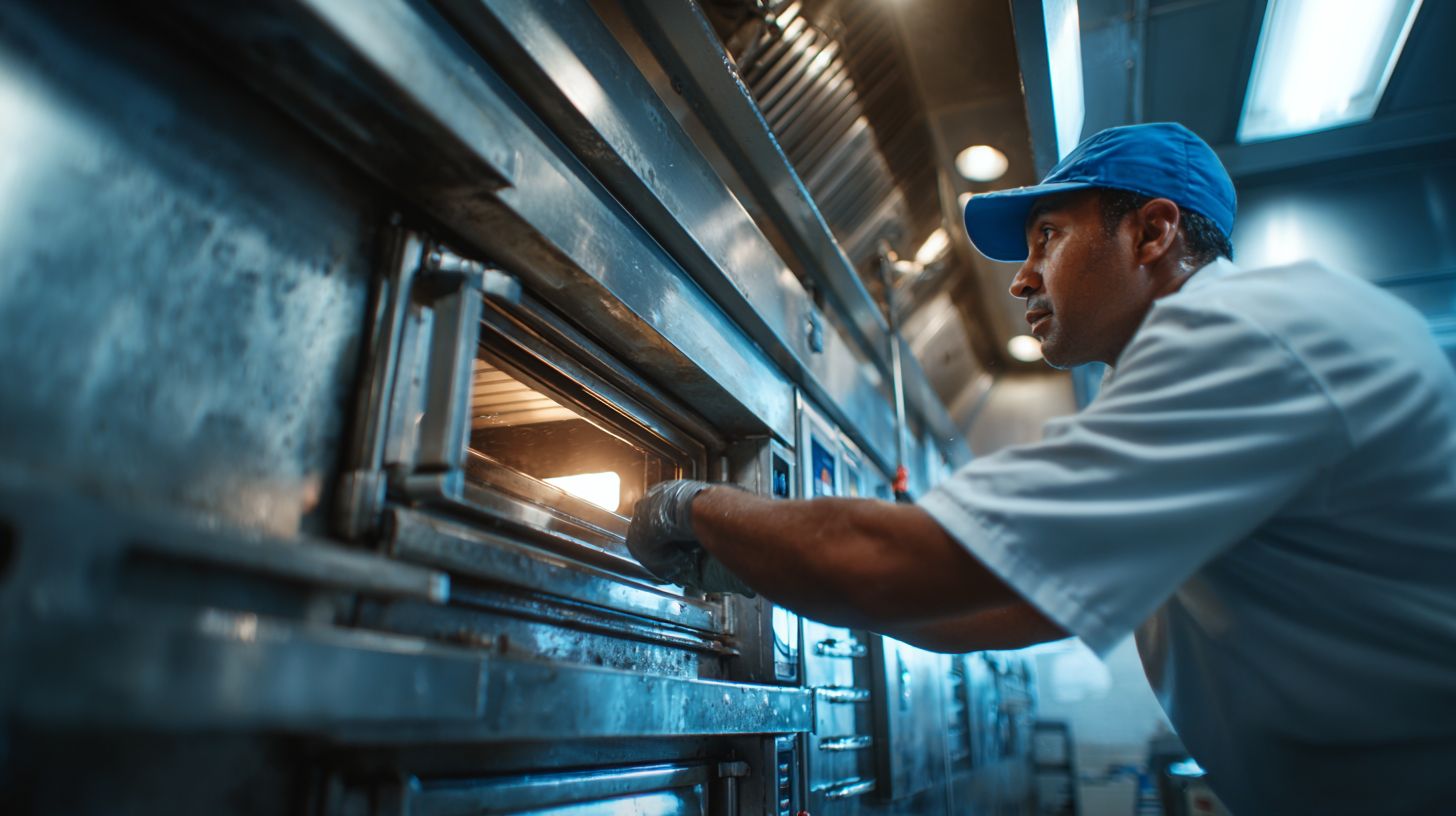


In a real working kitchen, things rarely slow down. Orders come in, equipment runs constantly, and the environment shifts throughout the day. Most of the focus naturally stays on food, timing, and coordination. But above all that activity, there’s another system working just as hard—the exhaust system.
It doesn’t get much attention unless something feels off. But over time, it plays a big role in how your kitchen actually performs.
That’s where kitchen hood cleaning becomes important—not as a one-time task, but as part of how your kitchen holds up under daily pressure.
If you step back and observe a kitchen from opening to closing, you’ll notice something interesting—it never operates the same way twice.
At the beginning:
This is when the system is under the least pressure.
As cooking picks up:
You can already feel the shift, even if nothing looks different.
This is where everything changes.
If something isn’t working right, this is when you feel it most.
As things slow down:
The environment resets—but the effects of the day remain inside the system.
Each day might feel routine, but small changes happen during every shift.
You don’t see it happening. But it’s happening every day.
Over time, these small layers build into something that starts affecting performance.

Airflow is one of those things you don’t think about—until it changes.
When everything is working properly:
When something shifts:
This difference isn’t always dramatic. It builds slowly.
One of the biggest challenges is that problems don’t show up all at once.
Instead, they develop in stages:
By the time it’s obvious, the system has already been affected for a while.
Not every kitchen experiences the same changes at the same speed. It depends on how the space is used.
Kitchen Type | Daily Operation Style | System Behavior Over Time |
High-volume kitchen | Constant cooking, no breaks | Rapid internal buildup |
Restaurant with peak hours | Busy during specific times | Uneven buildup patterns |
Moderate kitchen | Balanced usage | Gradual changes |
Low-use kitchen | Occasional operation | Slow buildup |
The more consistent the activity, the more consistent the buildup.

Most of the time, you don’t see the problem—you feel it.
You might notice:
These are not always obvious problems, but they are real changes.
There’s a reason these changes go unnoticed.
Because of this, kitchens continue operating and adapting without fully recognizing why the environment feels different, often missing early signs that gradually point to underlying changes.
Kitchen hood cleaning isn’t just about removing buildup. It helps maintain balance in the environment.
It supports:
Not in a dramatic way—but in a steady, consistent way.
A lot of kitchens take a reactive approach.
They wait until:
This kind of approach is similar to delaying broader upkeep, like Facility Repair Services, where issues are only addressed after they become noticeable. The problem with this is that by the time you notice something, it’s already been building.

Approach | What Happens Initially | Long-Term Result |
Consistent routine | Stable conditions | Predictable performance |
Occasional cleaning | Temporary improvement | Recurring issues |
Reactive approach | Fix after problem appears | Higher strain on system |
Consistency doesn’t feel urgent—but it prevents bigger changes from developing.
When airflow and internal conditions shift, the kitchen feels different.
Even if operations continue, the environment is no longer working with you—it’s working against you.
Staff are usually the first to notice.
Not in technical terms—but in how it feels.
These small comments often point to larger environmental changes.
During slower periods, small inefficiencies are easy to ignore.
But during peak hours:
This is when the system is tested the most.

A balanced kitchen feels different.
When things are working:
When things aren’t:
Instead of thinking of hood cleaning as something separate, it helps to see it as part of the kitchen’s system. It’s closely tied to broader upkeep practices, much like Commercial Facility Maintenance Services in the Greater Houston Area, where everything works together to maintain a consistent environment.
It’s connected to:
It’s not just maintenance—it’s part of how the kitchen functions.
Over time, consistency creates stability.
These are not big changes—but they make daily work easier.
Without consistency:
It doesn’t happen overnight—but it happens steadily.
Think of your kitchen like a system that needs balance.
When everything is aligned:
When it’s not:
Why kitchen hood cleaning matters isn’t about appearances—it’s about how your kitchen actually works day after day.
In a fast-paced environment like a commercial kitchen, small changes don’t stay small. They build over time and affect everything from airflow to comfort to efficiency.
The kitchens that run the smoothest aren’t the ones that avoid buildup completely—they’re the ones that stay consistent.
Because in the end, consistency is what keeps everything working the way it should.
Kitchen hood cleaning is the process of removing grease, smoke residue, and contaminants from the hood, filters, ducts, and exhaust fan in a commercial kitchen.
It is essential for fire prevention, maintaining proper airflow, improving air quality, and ensuring compliance with health and safety regulations.
Cleaning frequency depends on usage. High-volume kitchens may need monthly cleaning, while lower-volume operations may require cleaning every 3 to 6 months.
Neglecting hood cleaning can lead to grease fires, poor ventilation, foul odors, health code violations, and potential business shutdowns.
Yes, removing flammable grease buildup significantly reduces the risk of fires that can start in the exhaust system.
Professional services typically clean the entire system, including the hood, filters, ductwork, and exhaust fan, ensuring a deep and compliant clean.
Staff can perform basic surface cleaning, but deep cleaning of ducts and exhaust systems should always be handled by certified professionals.
Common signs include visible grease buildup, strong odors, excessive smoke, poor airflow, and dripping grease.
Yes, most local fire and health codes require regular hood cleaning to meet safety standards and prevent fire hazards.