


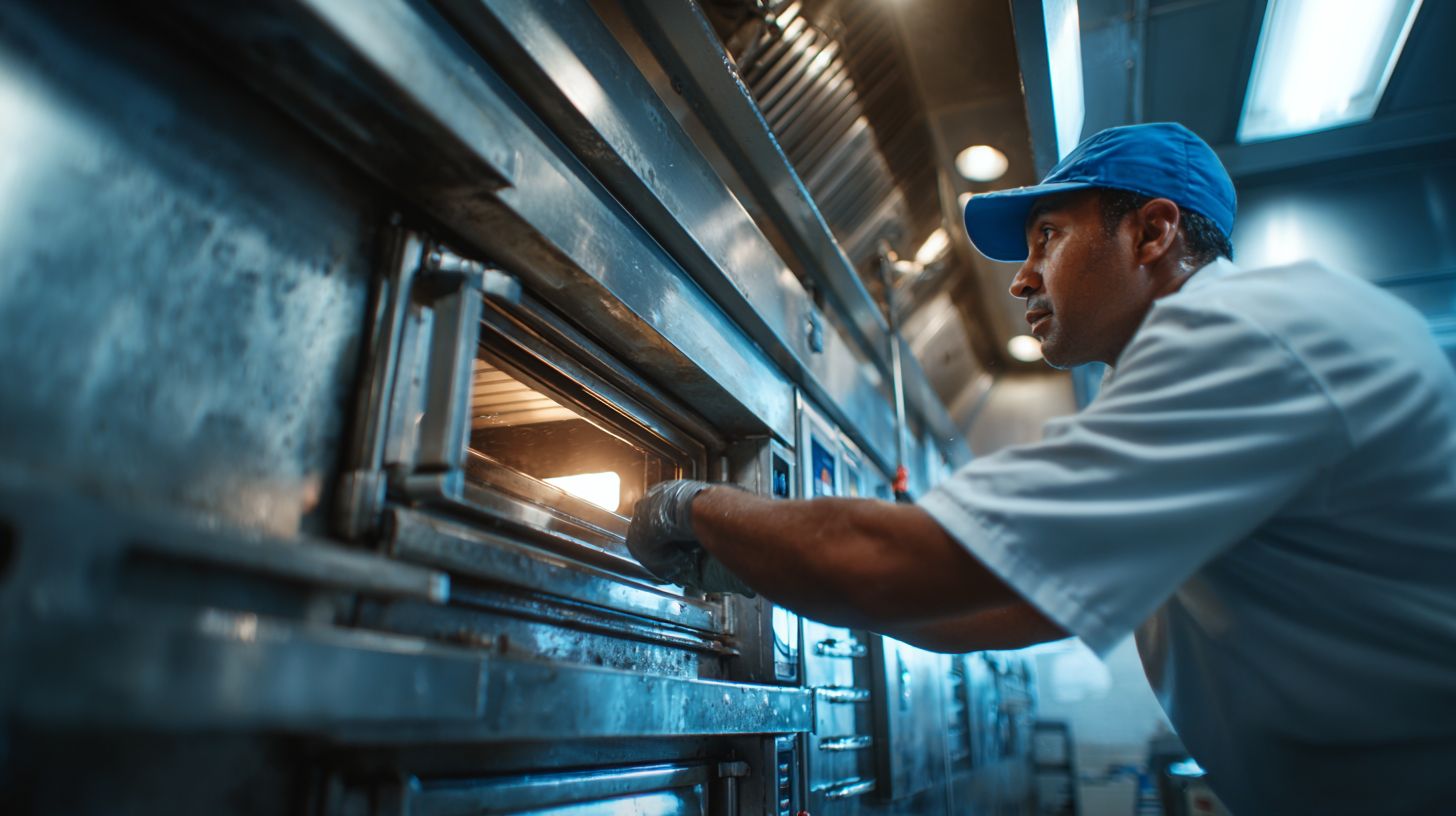


In Houston, kitchens don’t get the chance to ease into the day. From the moment equipment turns on, the environment begins to build. Heat rises quickly, air starts moving, and the pace of work picks up almost immediately. By the time service is in full swing, everything is operating at once.
Because of this, kitchens that run smoothly usually have one thing in common. They rely on structure, not guesswork.
This applies to many parts of the operation, but it becomes especially noticeable when looking at systems that are not always visible. Among these, hood cleaning plays a role that is often underestimated. It does not demand attention right away, but over time, it influences how the entire space feels.
In a city like Houston, where heat and humidity are constant factors, maintaining that structure through consistent routines like hood cleaning services becomes part of how kitchens stay manageable from one shift to the next.
If you spend enough time in different kitchens, you start to notice something that is difficult to explain at first.
Some kitchens feel steady.
Others feel like they are constantly adjusting.
The difference is not always about the workload. Two kitchens can handle the same number of orders and still feel completely different. What separates them is how consistent their environment is.
In a structured kitchen:
In a kitchen without structure:
This is where What Most Kitchens Don’t Realize About Hood Cleaning becomes more noticeable over time.
In some places, minor inconsistencies might not be noticeable right away. In Houston, that is not the case.
The environment adds pressure from the start:
Because of this, small changes do not stay small for long.
Understanding How Local Conditions Shape Kitchen Performance and Long-Term Maintenance helps explain why structure matters more in Houston than in many other places.

Every shift follows a similar pattern.
Most of those particles are removed, but not all of them.
A small portion remains behind.
At first, it is insignificant.
But over time, those small amounts begin to layer.
This is why understanding processes like How to Clean a Restaurant Hood becomes useful in recognizing how buildup develops gradually.
The hood system is one of the few parts of the kitchen that operates continuously without direct interaction.
It affects:
When everything is working properly, these effects are not noticeable. The system does its job quietly.
But when conditions begin to shift, the difference is felt.
This is where consistent hood cleaning and support systems like Facility repair services help maintain balance without disrupting daily operations.
Houston’s climate plays a role in how quickly changes develop.
These factors combine with daily cooking activity to create an environment where consistency matters more than in many other locations.
Without structure, the environment can change from manageable to demanding within a single shift.
The first signs are rarely visual.
They are felt.
These are not immediate problems, which is why they are often ignored.
But they are indicators that something is changing.

When conditions shift, the first assumption is usually related to workload.
While these factors may contribute, they are not always the root cause.
Because the changes happen gradually, they are easy to attribute to normal variation.
Kitchens that maintain consistency tend to avoid these gradual changes.
This does not mean doing more work.
It means keeping routines steady.
With consistent kitchen hood cleaning services, small changes are managed before they build up.
This helps maintain:
Approach Type | How It Feels During Service | Long-Term Effect |
Structured routine | Stable and manageable | Consistent environment |
Occasional attention | Slight variations | Gradual buildup |
Reactive approach | Noticeable discomfort | Increased strain |
The difference becomes more noticeable over time.
During slower periods, small inefficiencies are easy to ignore.
But during peak hours:
This is when the environment shows its true condition.
Kitchens that rely on structure tend to handle this phase more smoothly, especially when supported by systems connected to Commercial Facility Maintenance Services in Houston, TX.
One of the most overlooked aspects of kitchen environments is how quickly people adjust.
When conditions change:
These adjustments happen naturally, which makes the underlying cause harder to recognize.

In many places, kitchens cool down after service.
In Houston:
This means that each day starts with some level of residual conditions from the previous shift.
This pattern is also seen across surrounding areas like Commercial Facility Maintenance Services in Katy, TX, where similar environmental factors influence kitchen performance.
Efficiency is not just about speed.
It is also about how manageable the environment is.
When conditions are stable:
When conditions shift:
These patterns are consistent across locations, including areas supported by Commercial Facility Maintenance Services in The Woodlands, TX.
Different kitchens experience different levels of change.
Kitchen Type | Daily Activity Level | Maintenance Impact |
High-volume kitchens | Continuous operation | Faster buildup, more consistency needed |
Peak-hour kitchens | Intense bursts | Uneven environmental changes |
Moderate kitchens | Balanced workflow | Gradual buildup |
Low-use kitchens | Occasional activity | Slower changes |
Even in smaller surrounding communities like those covered by Commercial Facility Maintenance Services in Willis, TX, these patterns still apply.
Instead of viewing hood cleaning as a task that happens occasionally, it helps to see it as part of maintaining structure.
It supports:
This perspective connects it directly to daily operations.

In Houston, kitchens operate under conditions that make consistency more important than ever.
Heat, humidity, and long hours all contribute to an environment that is constantly changing.
That is why the kitchens that perform the best are not the ones that avoid buildup completely.
They are the ones that rely on structure.
By maintaining consistent routines, including kitchen hood cleaning services, they create an environment that stays manageable, even during the busiest shifts.
Because in the end, it is not about reacting to change.
It is about preventing it from building in the first place.
Structured maintenance refers to following a consistent schedule for cleaning, inspection, and system upkeep rather than relying on guesswork or reacting to problems.
Guesswork can lead to inconsistent airflow, grease buildup, and unexpected issues during peak hours, making kitchen operations harder to manage.
Regular hood cleaning removes grease buildup and helps maintain proper ventilation, which is essential for a predictable and stable kitchen environment.
Most kitchens benefit from routine checks weekly, with deeper maintenance such as hood cleaning scheduled monthly or quarterly depending on usage.
A structured system improves efficiency, reduces downtime, supports safety, and helps maintain consistent working conditions for staff.