


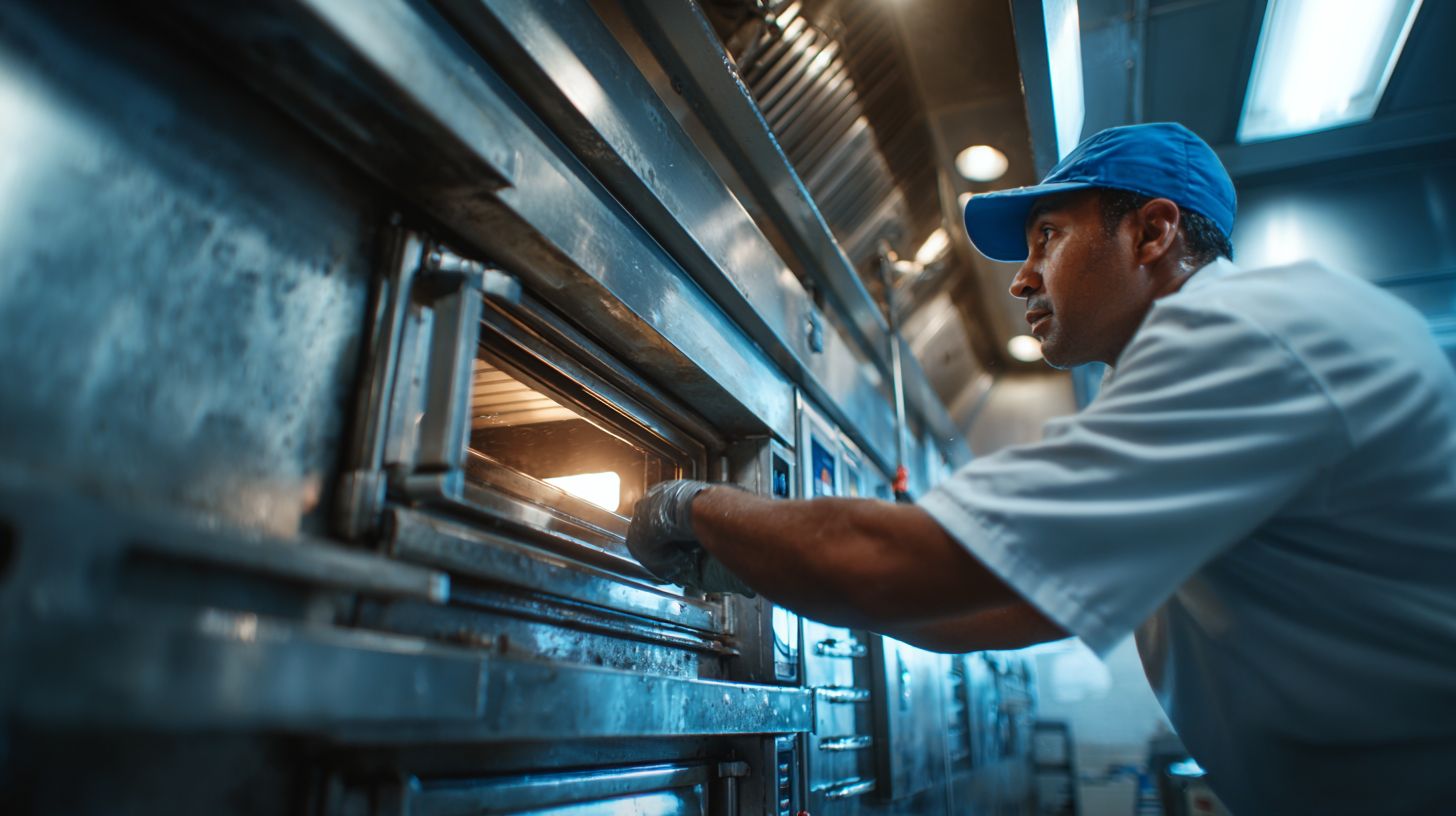


In Houston, kitchens operate in conditions that are constantly working against them. It is not just the pace of cooking or the number of orders that shapes the environment. It is the combination of heat, humidity, and long operating hours that creates a space where small changes can build faster than expected.
Because of this, hood cleaning services in Houston are not just about maintaining cleanliness. They are part of how kitchens stay consistent from one shift to the next.
What makes this different from other locations is not only how often attention is needed, but how quickly the environment can change when systems are not maintained regularly.
Every kitchen deals with heat and airborne particles, but Houston adds another layer to the equation.
This creates a situation where airborne grease and moisture combine more easily. Instead of staying light and dry, particles become heavier and stick to surfaces more quickly.
A kitchen in Houston does not feel the same from morning to night. The environment evolves as activity increases.
At the start of the day:
As cooking picks up:
During the busiest times:
As operations slow:
These shifts repeat daily, and the hood system is constantly responding to each phase.

In a humid environment, air behaves differently.
This means that even with regular use, buildup develops more consistently compared to drier regions.
Buildup is not immediate. It forms in layers that reflect daily kitchen activity.
Because Houston kitchens operate in warm and humid conditions, these layers tend to develop more steadily.
Different types of kitchens experience these changes at different rates.
Kitchen Type | Daily Operation | Effect in Houston Conditions |
High-volume restaurants | Continuous cooking | Rapid accumulation of buildup |
Fast casual kitchens | Peak hour intensity | Uneven buildup patterns |
Mid-size kitchens | Balanced workflow | Gradual but consistent changes |
Low-use kitchens | Limited activity | Slower but still noticeable buildup |
Even kitchens with moderate activity are affected due to environmental conditions.
Airflow is one of the first things to change, but it is not always obvious.
At first:
Later:
These changes are subtle, which is why they are often overlooked.

Kitchen hood cleaning services are not separate from daily kitchen operations. They support how the environment behaves over time.
They help:
Instead of reacting to visible issues, these services help maintain balance before changes become noticeable.
Before anything becomes visible, the first signs are usually felt.
These are early indicators that internal conditions are changing.
Most of the important changes are not visible.
The hidden areas are where most buildup develops, even though they are not part of daily cleaning routines.
Consistency is one of the most important factors in maintaining a stable environment.
Approach | Immediate Result | Long-Term Effect |
Consistent maintenance | Stable airflow | Balanced kitchen environment |
Occasional cleaning | Temporary improvement | Recurring buildup |
Delayed attention | Noticeable discomfort | Increased system strain |
Consistency prevents small changes from building into larger ones.
The gradual nature of these changes makes them easy to overlook.
Because of this, kitchens continue operating without realizing that conditions are slowly shifting.

Staff are often the first to notice differences, even if they cannot explain them.
These experiences reflect small changes building up over time.
In Houston, these services play a more consistent role due to environmental conditions.
They help:
This is especially important in kitchens that operate for long hours.
During slower periods, small inefficiencies may not be noticeable.
But during peak hours:
This is when the system is tested the most.
Instead of viewing kitchen hood cleaning services as a separate task, it helps to see them as part of maintaining consistency.
They support:
This perspective makes it easier to understand their role in overall kitchen performance.

Over time, consistent maintenance supports:
These benefits develop gradually but have a lasting effect.
Kitchen hood cleaning services in Houston are shaped by more than just kitchen activity. They are influenced by climate, humidity, and how kitchens operate throughout the day.
Because of these factors, small changes can build faster and become noticeable sooner.
By maintaining consistency and understanding how local conditions affect the system, kitchens can stay balanced, efficient, and easier to manage.
In a city where kitchens rarely slow down, that consistency is what keeps everything running smoothly.
Most commercial kitchens in Houston schedule hood cleaning every 1 to 3 months depending on cooking volume, grease output, and type of food prepared. High-volume or heavy grease kitchens may require more frequent service.
Kitchen hood cleaning removes grease buildup from the exhaust system, helping maintain proper airflow, reduce fire risk, and support a cleaner, more manageable kitchen environment during busy service hours.
Common signs include visible grease buildup, strong lingering odors, excess heat in the kitchen, reduced airflow, and smoke not ventilating properly during cooking.
A professional service typically includes cleaning the hood canopy, filters, ductwork, and exhaust fan. It also involves removing grease from hard-to-reach areas that are not covered by routine daily cleaning.
Kitchen staff can handle basic surface cleaning, but full exhaust system cleaning requires specialized tools and expertise to properly remove grease buildup from ducts and fans.
Regular hood cleaning helps maintain steady airflow and temperature control, making it easier for kitchen staff to work efficiently without disruptions caused by ventilation issues.
Most commercial kitchens are expected to follow fire safety and health guidelines that include regular hood cleaning to manage grease accumulation and maintain safe operating conditions.
Neglected hood systems can accumulate heavy grease, leading to poor ventilation, increased fire risk, unpleasant odors, and operational inefficiencies during peak hours.